
The Skeptics Society & Skeptic magazine

Brook Urick — Sex Work, Ethics, and Evolutionary Psychology: What Really Happens on Sugar Daddy Websites?

Brook Urick reveals the hidden risks of sugar dating, from her experience as a sugar baby to becoming a company insider. She exposes how these platforms protect exploiters and mislead young women. Urick discusses the ethical and legal concerns surrounding sugar dating, sex work, and why she believes greater oversight is necessary.
Half a Thousand Episodes: Still Chasing Truth

In our 501st episode, Michael Shermer takes a moment to reflect on his long journey with skepticism and what he learned recording half a thousand episodes of this podcast. He shares his thoughts on what it means for something to be truly “real” by comparing our personal experiences with evidence-backed facts, tackles the challenge of controversial and extraordinary claims, and even explores how mystical ideas or literary works can offer their own kind of truth.

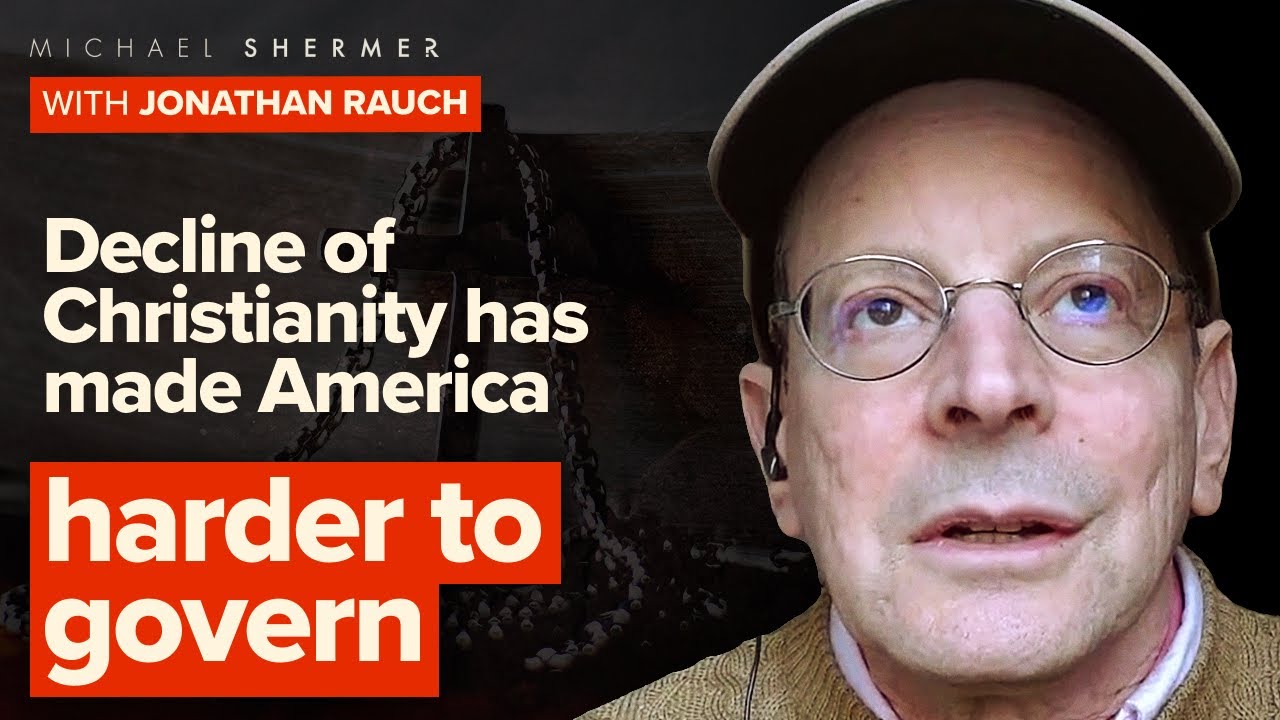
Jonathan Rauch — The Faith Deficit: Does America Need a Spiritual Backbone?

Is American democracy at risk if Christianity falters? In this thought-provoking conversation, award-winning journalist Jonathan Rauch—an atheist—explores the decline of Thin Christianity, the dangers of politicized faith, and why both believers and secularists must collaborate to protect democracy. Discover how Rauch’s new book, Cross Purposes, challenges Christians and secularists alike to rethink their roles in shaping a free society.

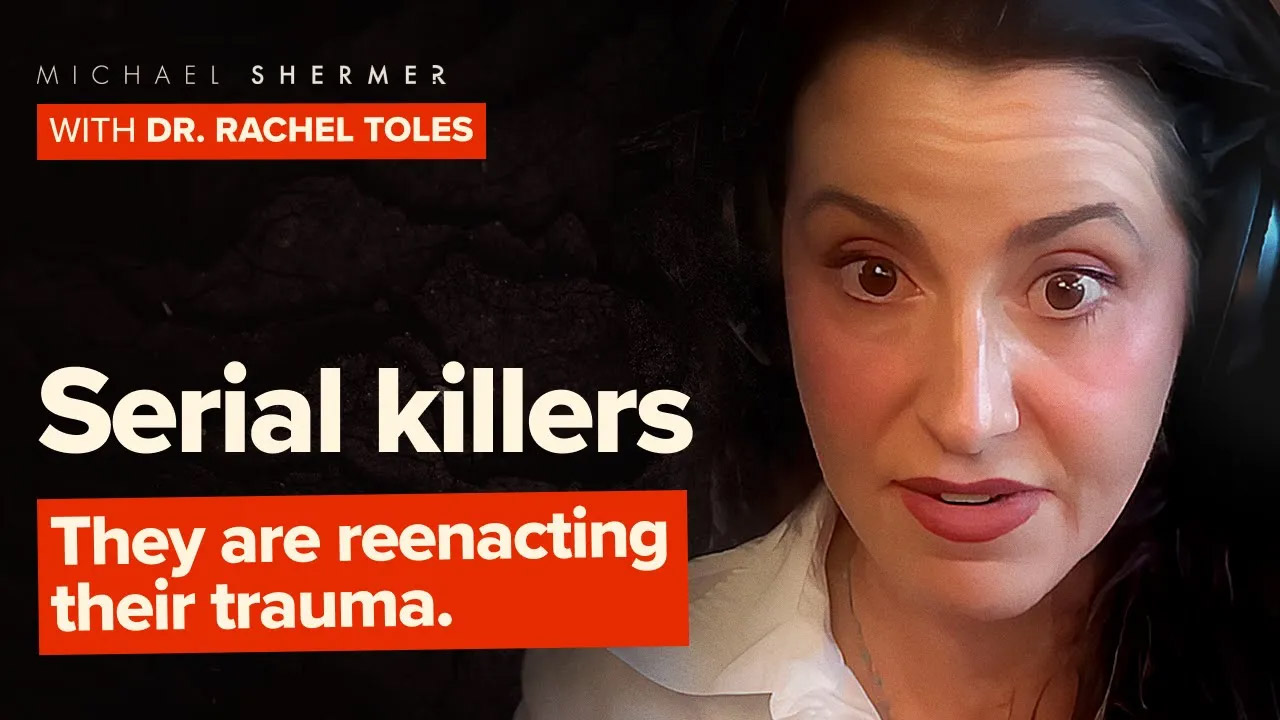
Rachel Toles on the Psychology of Serial Killers

Step into the chilling and illuminating world of criminal psychology with forensic psychologist Dr. Rachel Toles. Uncover the twisted motives of infamous killers, the roots of evil, and humanity’s fascination with true crime. Delve into the dark triad of traits, shocking experiments, and why seemingly ordinary people can commit acts of extraordinary violence.

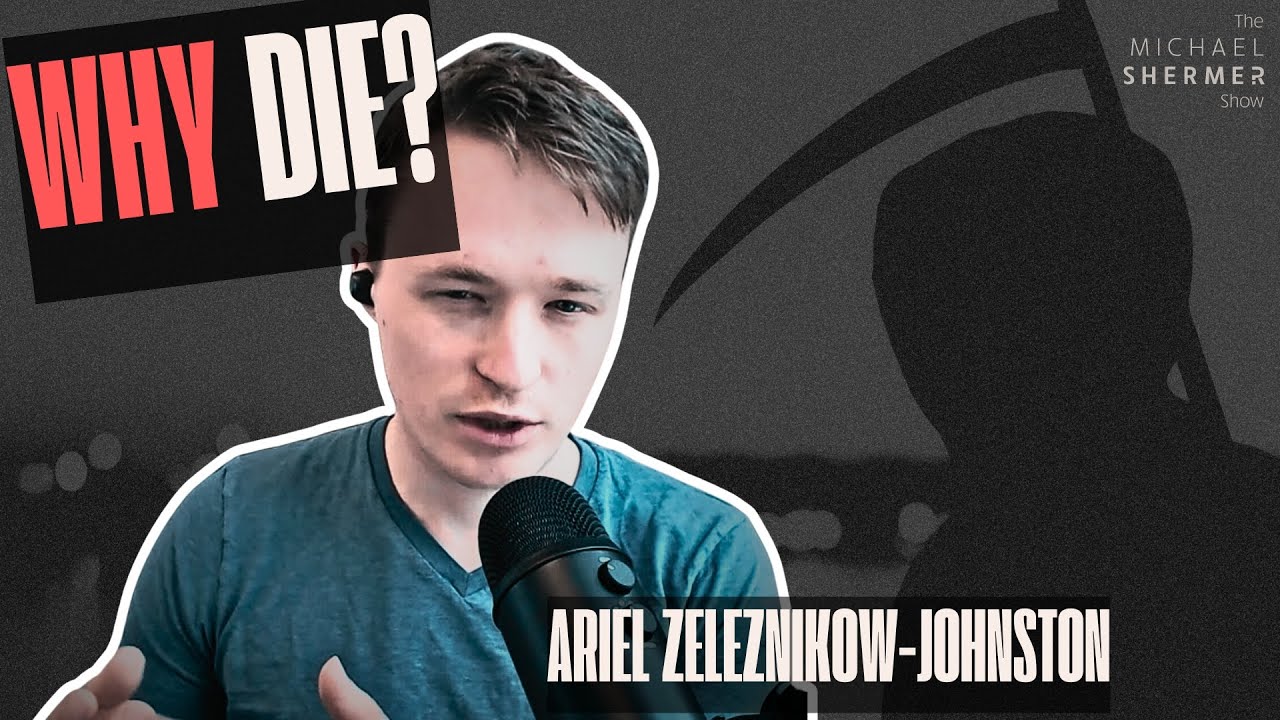
Ariel Zeleznikow-Johnston: What if Death Isn’t the End? The Science of Forever

Explore the cutting edge of human mortality with neuroscientist Ariel Zeleznikow-Johnston. Challenging traditional views of death, this mind-bending conversation delves into brain preservation, consciousness, and the tantalizing possibility of transcending our biological limits. Discover how science might redefine life, death, and personal identity.

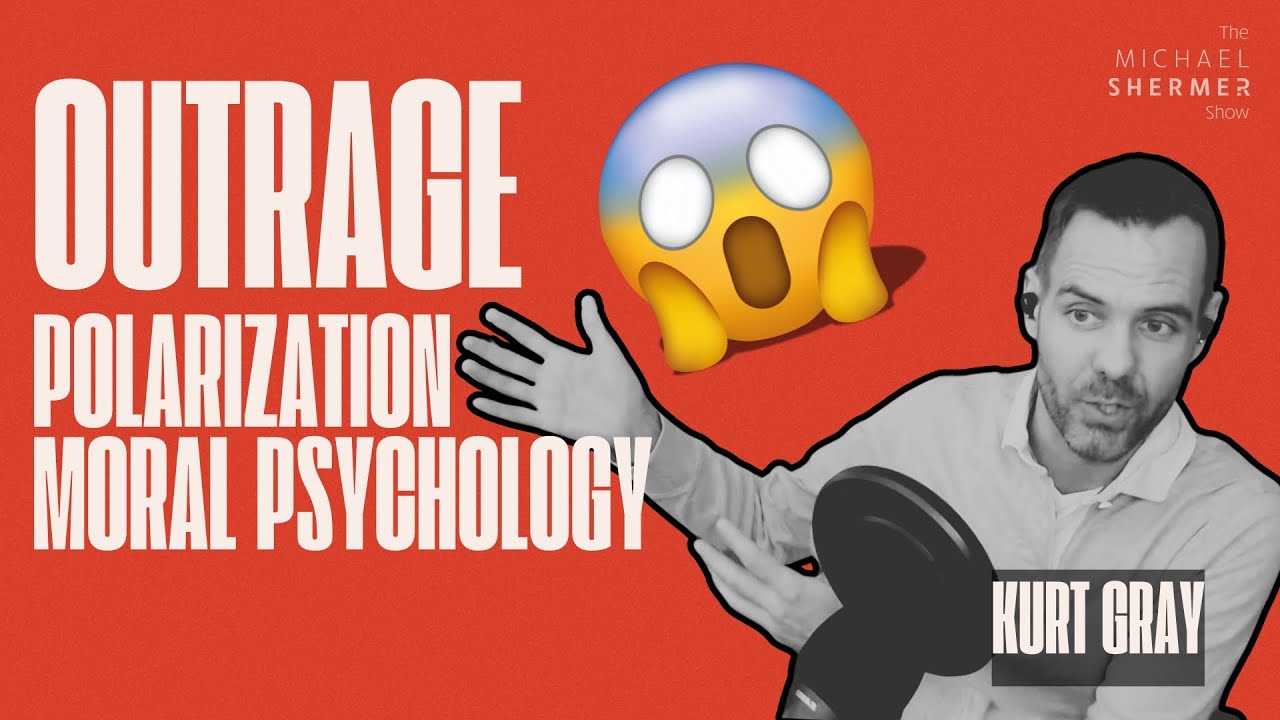
Kurt Gray — What Are We Really Fighting Over? Understanding Outrage Through Moral Psychology

Join Michael Shermer and Kurt Gray as they unravel the science behind moral outrage and political division. Discover why morality stems from harm perception, how evolutionary psychology shapes our values, and why progressives and conservatives aren’t as different as they seem. Gain practical insights into bridging divides and fostering understanding in today’s polarized world.

Erick Brimen — Special Economic Zones and Governance Innovation

Eric Brimen discusses Prospera Zones, innovative special economic zones in Honduras designed to foster economic freedom and governance reform. Inspired by Hong Kong and Dubai, these zones offer distinct legal and regulatory systems to attract global investment while benefiting local communities. Despite political challenges, Prospera emphasizes competition, public-private partnerships, and scalability to create sustainable, thriving cities with economic opportunity and efficient governance as core principles

William Green — How the Greatest Investors Win in Life and Markets

Explore the profound wisdom of William Green as he shares transformative lessons from the world’s greatest investors. Discover how icons like Buffett, Munger, and Templeton master decision-making, navigate uncertainty, and achieve success in markets and life. Learn practical strategies to build resilience, minimize risk, and turn challenges into opportunities.

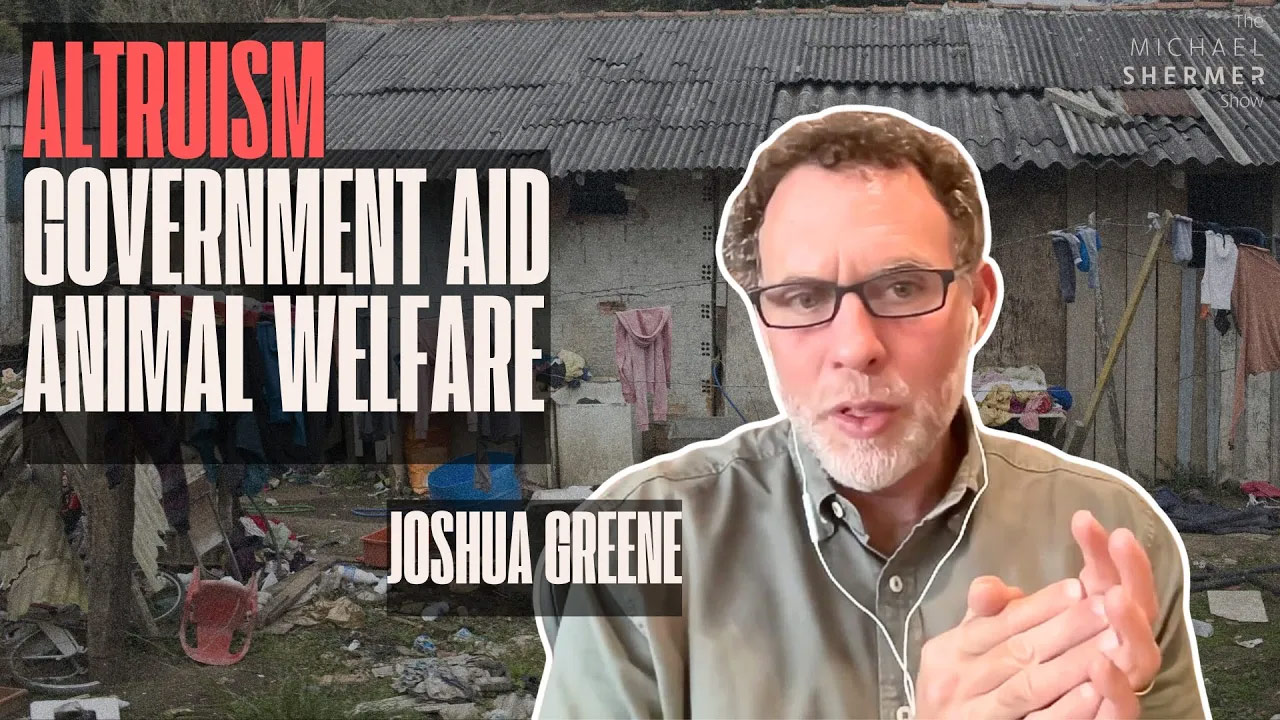
Joshua Greene on Evidence-Based Charity and Moral Psychology

Shermer and Greene discuss effective altruism, evidence-based philanthropy, and GivingMultiplier’s unique model for maximizing charitable impact. They explore moral judgment theories, from deontology to consequentialism, and delve into complex topics like donor fatigue, public vs. private solutions, abortion, capital punishment, and political polarization. Greene shares practical insights into addressing societal divides and inspiring collective action.

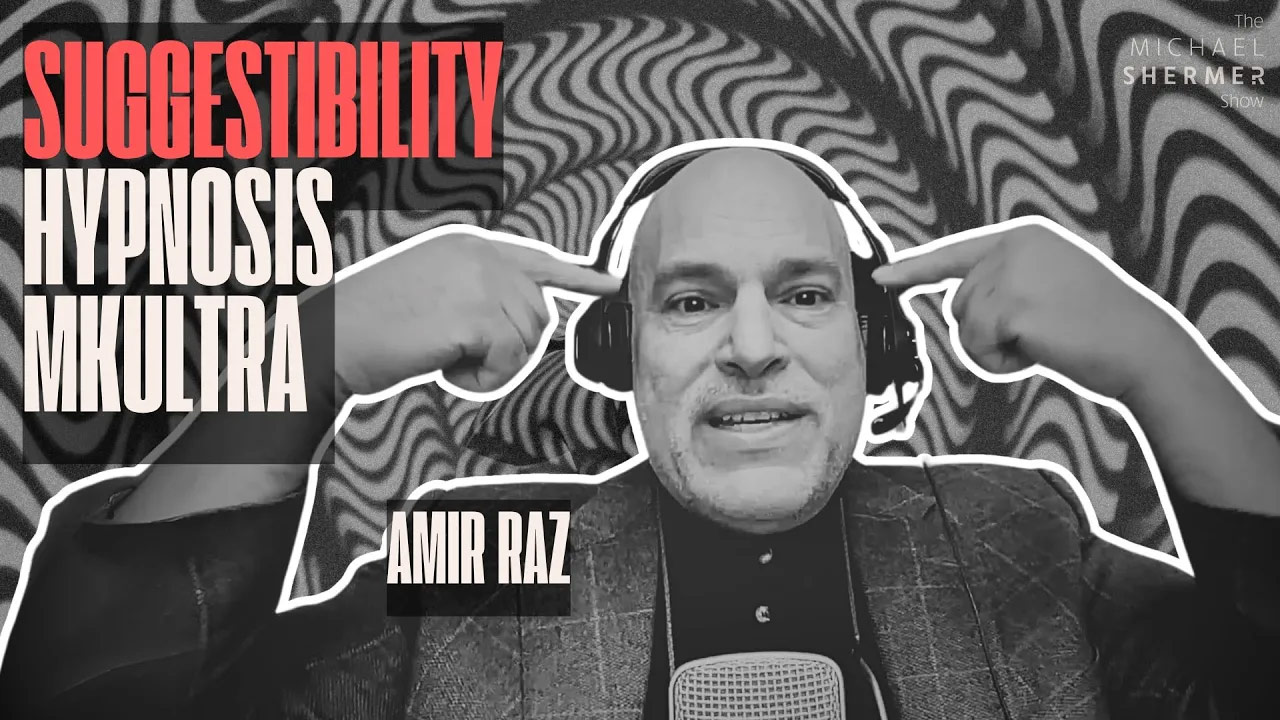
Amir Raz — The Suggestible Brain

World-renowned cognitive psychologist Amir Raz explores the power of suggestion, showing how it can shape perception, memory, and even physical health. Using insights from neuropsychology, magic, and hypnotism, Raz reveals how suggestion impacts everything from fake news to mental health, with practical takeaways for self-awareness and resilience against manipulation.

Guy P. Harrison on Rationality, Science Fiction, and Humanity’s Future

In this episode, Michael Shermer and award-winning author Guy P. Harrison explore the power of science fiction, why critical thinking matters, and how science enhances life’s meaning. From UFOs and AI threats to untangling atheism and optimism about humanity’s future, this deep dive into rationality will inspire and challenge your worldview. Don’t miss it!

Daniel Waldenström — Building a Wealthier, Fairer Society

Discover how the West’s economic landscape transformed from stark wealth inequality to a flourishing middle class. In this episode, economist Daniel Waldenström reveals how political and social changes have helped create a more equitable society. Waldenström presents fresh insights on economic policy, wealth accumulation, and how modern tax strategies could continue shaping a fairer future.

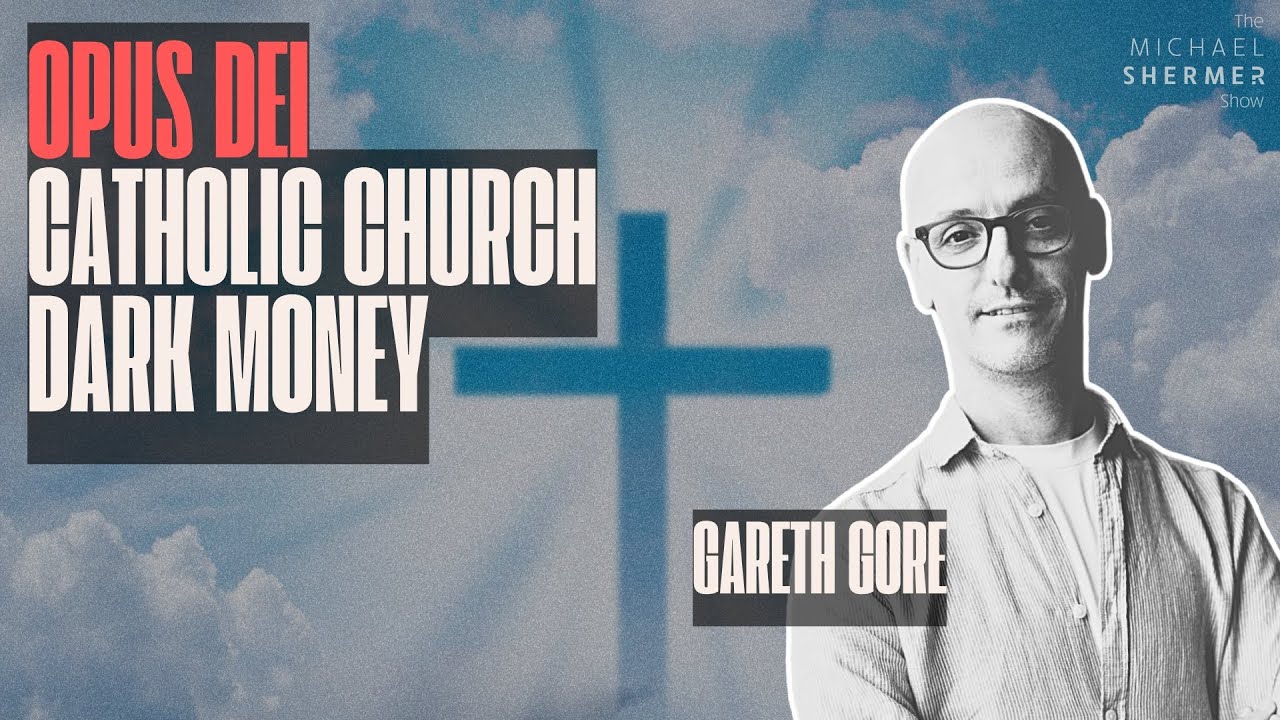
Gareth Gore Investigates: Opus Dei, Dark Money, and Global Deception

In this gripping episode, investigative journalist Gareth Gore uncovers how Opus Dei secretly controlled Banco Popular and funneled its wealth to spread a conservative agenda. From financial deception to human trafficking, Gore exposes the organization’s hidden power and its influence on global politics. Discover the dark forces shaping our society through this captivating story of money, power, and corruption.

Dan Barker — The Current State of Atheism and Separation of Church and State

Dan Barker, ex-evangelical preacher turned atheist and co-president of the Freedom from Religion Foundation, explores Church-State separation, Catholicism’s influence on the Supreme Court, public education debates, and religious symbols. He introduces “Contraduction,” a concept reexamining reversed beliefs, and discusses legal challenges, moral implications of belief systems, the fine-tuning argument for God’s existence, nothingness, and free will in this thought-provoking conversation.

Paul Ehrlich on The Population Bomb, Climate Change, and the Ethics of Extinction

Michael Shermer interviews conservation scientist Paul Ehrlich about his groundbreaking work on species extinction and his new book, Before They Vanish. Ehrlich explores the current mass extinction crisis, its causes, and the urgent need for targeted conservation efforts. He challenges common perspectives on extinction and offers a new path forward to save Earth’s endangered species.

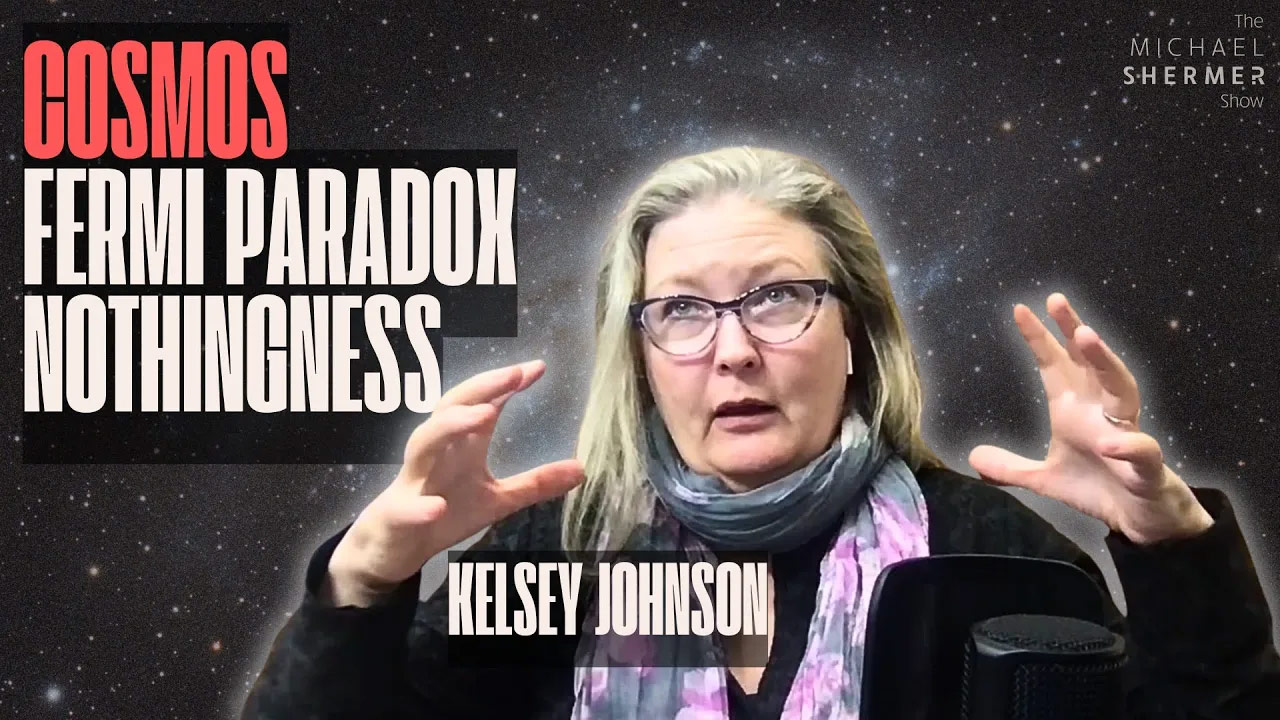
Kelsey Johnson — From the Big Bang to God: The Universe’s Biggest Mysteries

Journey to the frontiers of human knowledge with astrophysicist Kelsey Johnson as she explores mind-bending questions about the cosmos. Rather than just celebrating what we know, Johnson delves into the profound mysteries that remain unsolved—from the Big Bang to black holes—and examines how these uncertainties intersect with philosophy, theology, and human understanding.

Jon Mills — Inventing God: Psychology of Belief and the Rise of Secular Spirituality

Michael Shermer interviews Jon Mills on psychoanalysis, therapeutic dynamics, and the psychological roots of aggression and trauma. Mills discusses Freud’s influence, the moral dimensions of aggression, and violence’s societal role. They explore intergenerational trauma, individuality, youth struggles, and the evolution of belief in God. The conversation also examines technology’s impact on mental health and spirituality beyond traditional religion, highlighting challenges in understanding human behavior amid global issues.

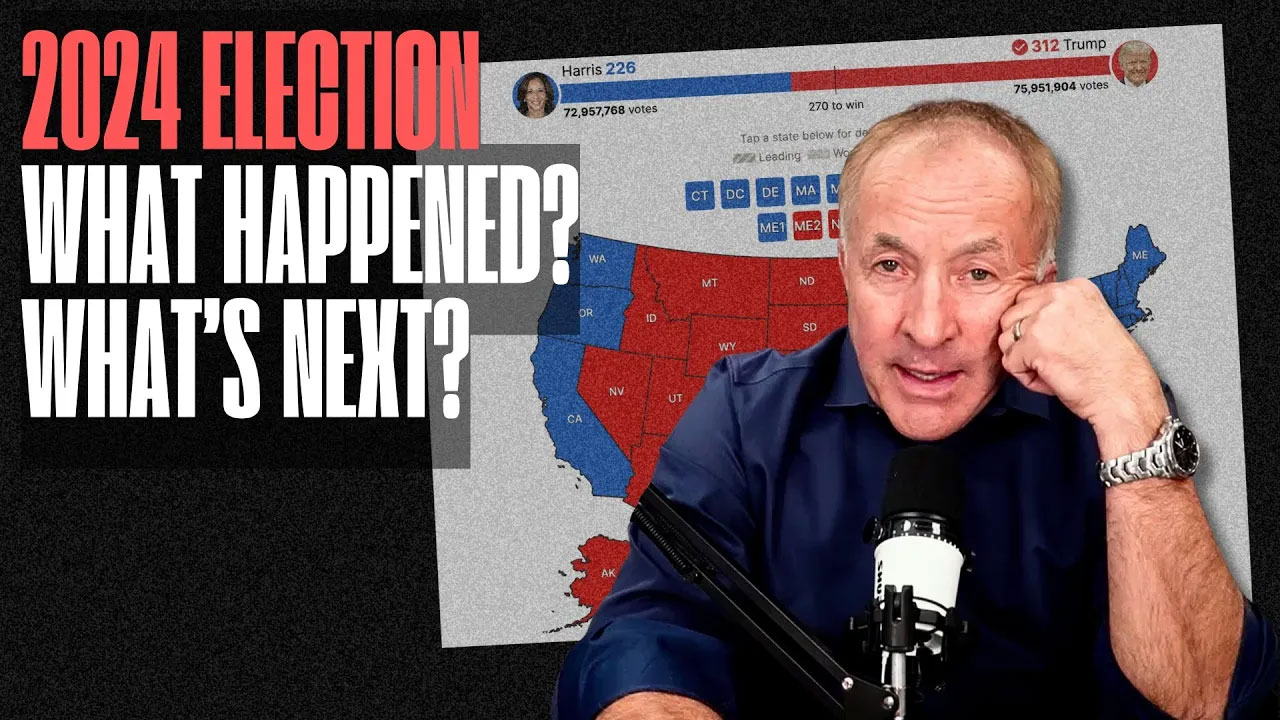
2024 Election Postmortem

In this special solo episode, Michael Shermer reflects on the 2024 election.

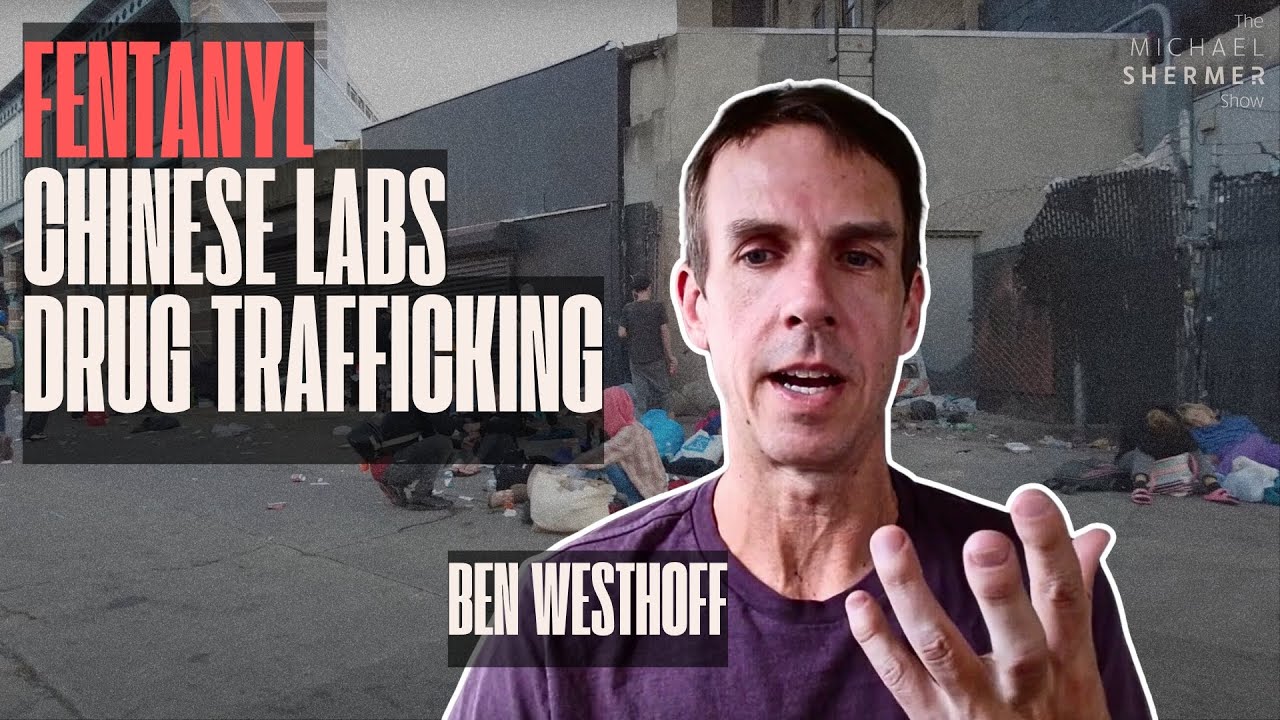
Ben Westhoff — Fentanyl and the Opioid Epidemic

In 2023, over 107,000 Americans died from overdoses, with fentanyl responsible for more than 75,000 of these deaths—a staggering toll almost double that of car accidents or gun homicides. Fentanyl is increasingly mixed with meth and cocaine, spreading its lethal reach beyond heroin users. Journalist Ben Westhoff, author of Fentanyl, Inc., joins us to explore the crisis and his work advising government leaders on combating this unprecedented epidemic.

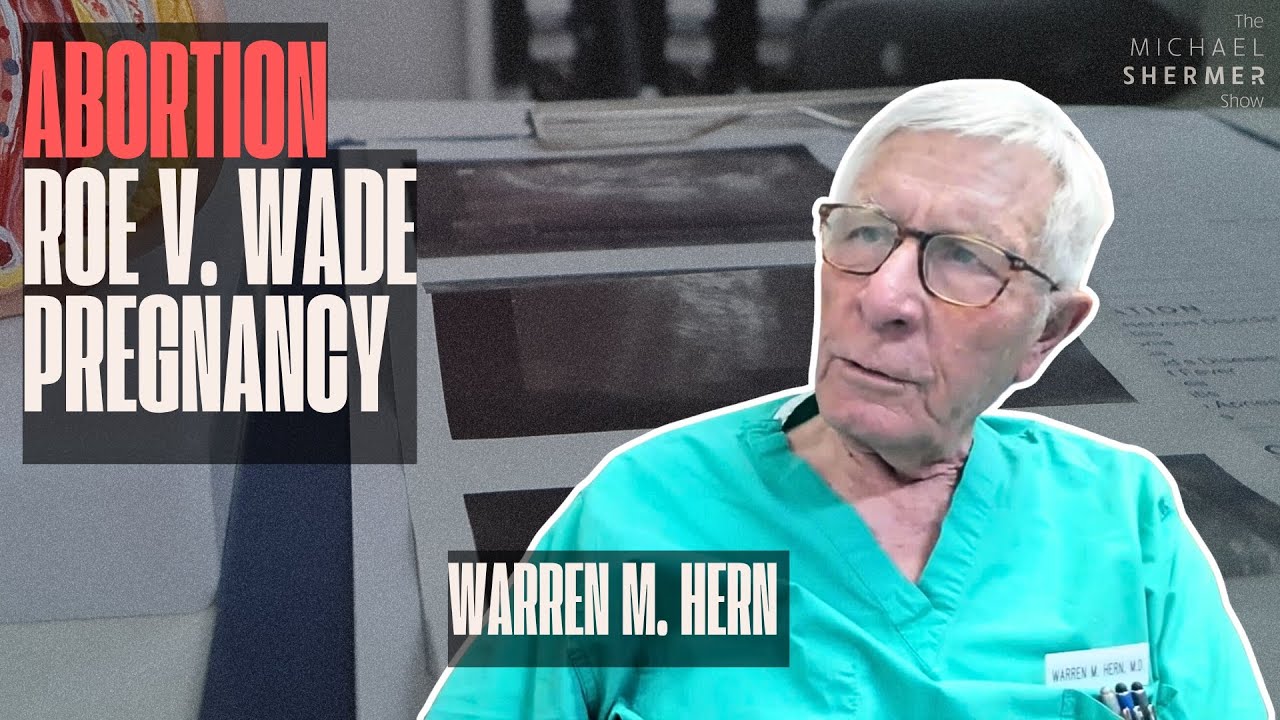
Dr. Warren Hern: Stories From the Front Lines of Abortion Care

Dr. Warren Hern delves into the complexities of abortion care from pre-Roe to today’s tumultuous landscape. He shares first-hand experiences of defending women’s health, grappling with political opposition, and facing threats as an advocate. Hern’s insights offer a riveting view into how abortion access impacts women, society, and democracy itself, revealing urgent, seldom-discussed truths.

NEXT
SKEPTIC • 3938 State St., Suite 101, Santa Barbara, CA, 93105-3114 • 1-805-576-9396 • Copyright © 1992–2024. All rights reserved • Privacy Policy