Oliver Stone on Ukraine, Putin, and the Military-Industrial Complex
Michael Shermer speaks with Oliver Stone about Ukraine, Putin, and the military-industrial complex.

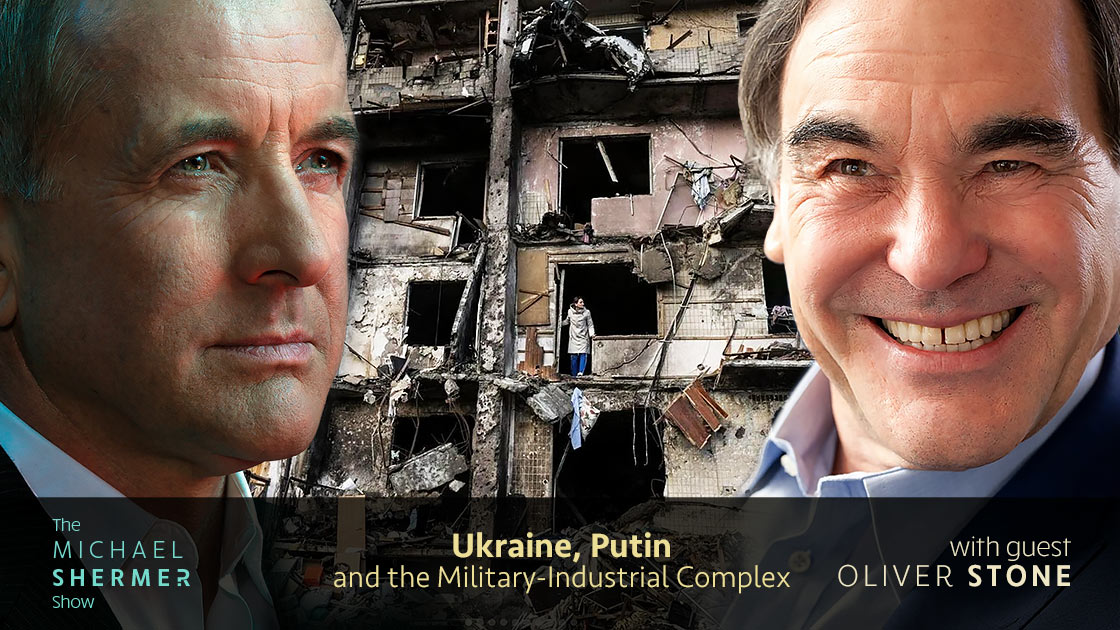
Michael Shermer speaks with Oliver Stone about Ukraine, Putin, and the military-industrial complex.
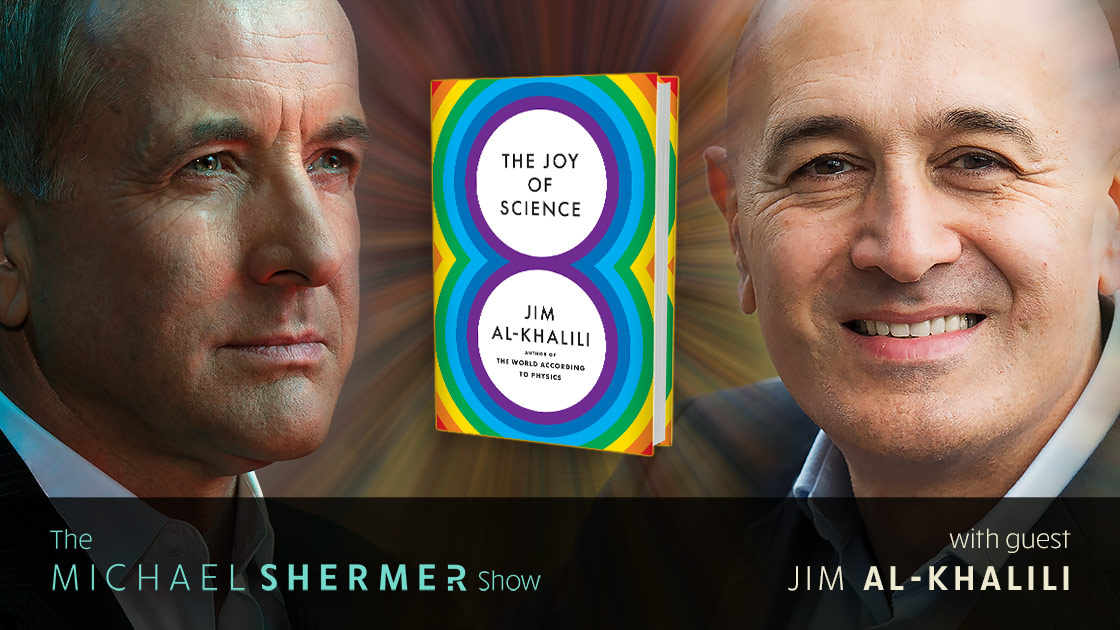
Michael Shermer speaks with quantum physicist, Jim Al-Khalili, who reveals how 8 lessons from the heart of science can help us all get the most out of our lives.
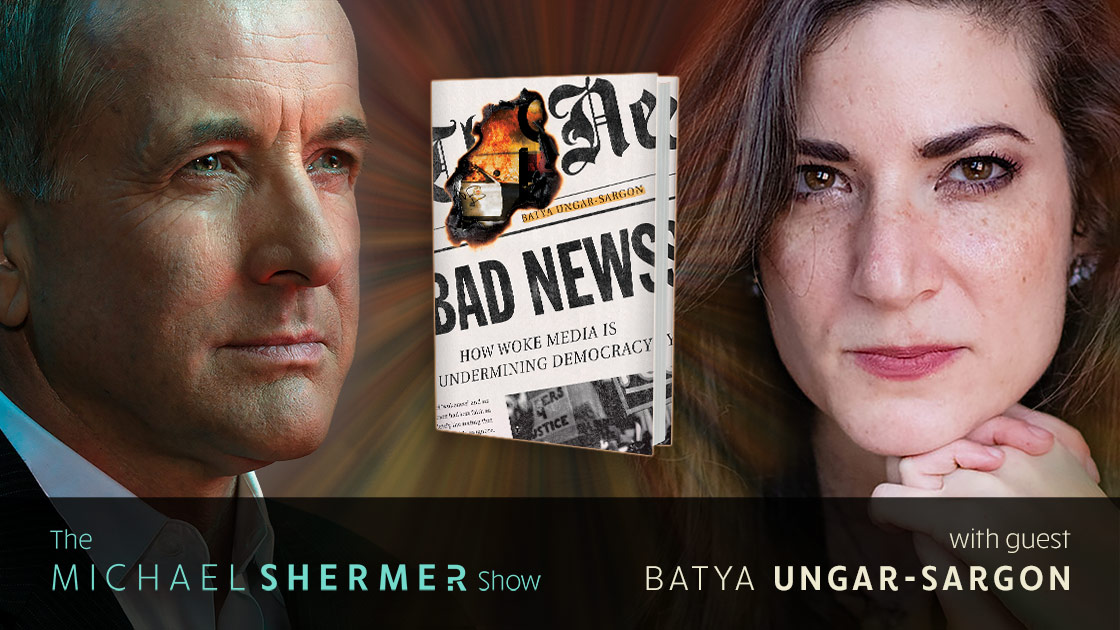
Michael Shermer speaks with Batya Ungar-Sargon about her new book Bad News: How Woke Media Is Undermining Democracy in which she reveals how American journalism underwent a status revolution over the twentieth century — from a blue-collar trade to an elite profession.
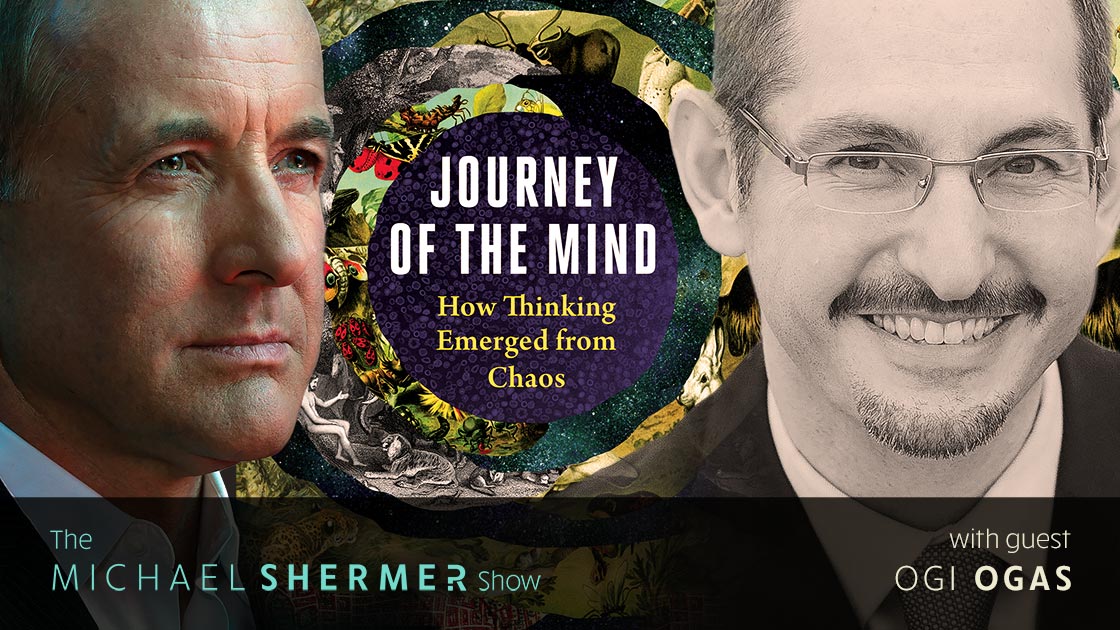
Michael Shermer speaks with computational neuroscientist, Ogi Ogas, about his unified account of the mind that explains how consciousness, language, self-awareness, and civilization arose incrementally out of chaos, and how leading cities and nation-states are developing “superminds,” and perhaps planting the seeds for even higher forms of consciousness.
Michael Shermer and Dr. Jacek Kugler, the Elisabeth Helm Rosecrans Professor of International Relations in the Department of Politics and Policy at Claremont Graduate University, discuss Power Transition Theory. According to the theory, developed by Dr. Kugler, an even distribution of political, economic, and military capabilities between contending groups of states is likely to increase the probability of war; peace is preserved best when there is an imbalance of national capabilities between disadvantaged and advantaged nations.
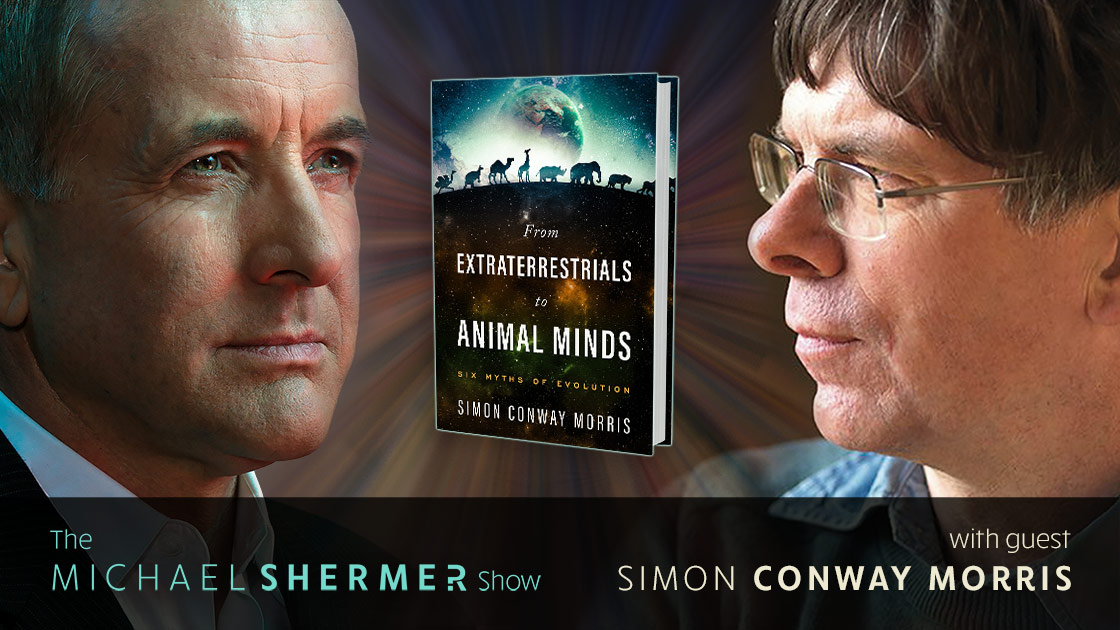
Michael Shermer speaks with Simon Conway Morris, Emeritus Professor of Evolutionary Palaeobiology at the University of Cambridge. In his latest book Morris challenges six assumptions — what he calls “myths” — that too often pass as unquestioned truths amongst the evolutionary orthodox. These include the idea that evolution is boundless in the kinds of biological systems it can produce. Not true, he says.
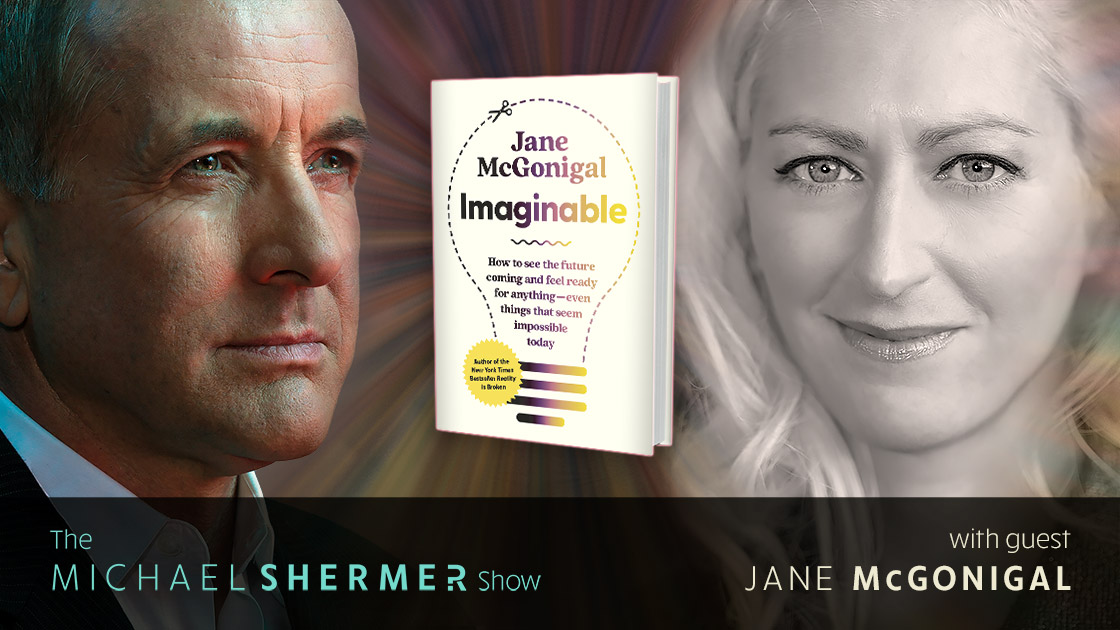
Shermer speaks with world-renowned future forecaster and game designer, Jane McGonigal, about her book Imaginable in which she draws on the latest scientific research in psychology and neuroscience to show us how to train our minds to think the unthinkable and imagine the unimaginable by inviting us to play with provocative thought experiments and future simulations.
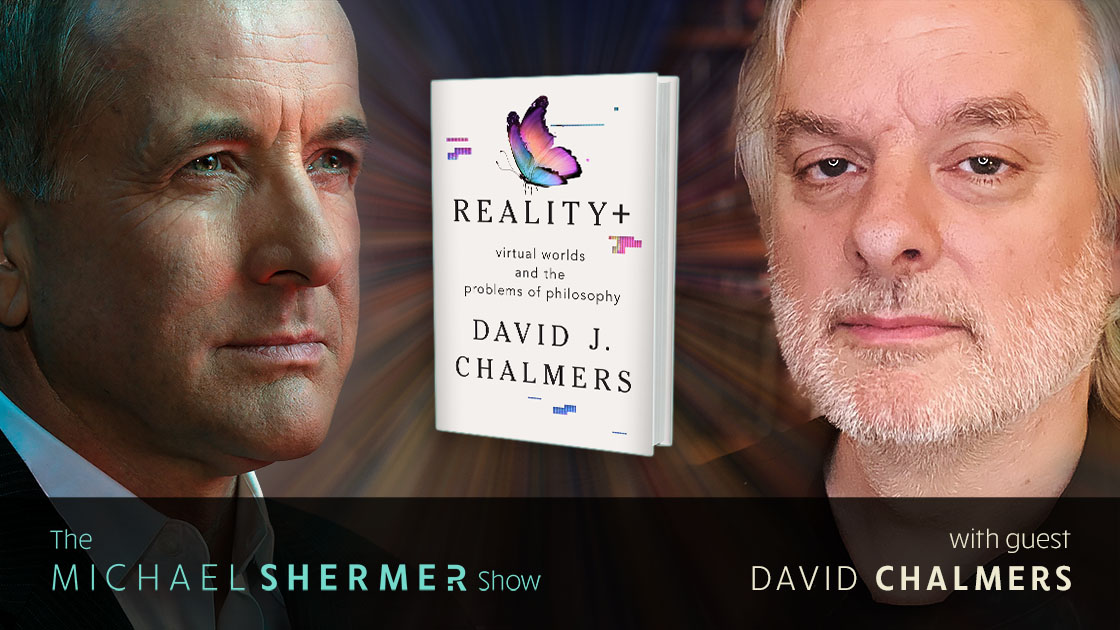
Michael Shermer speaks with University Professor of Philosophy and Neural Science and codirector of the Center for Mind, Brain and Consciousness at New York University, Dr. David Chalmers, about his book Reality+: Virtual Worlds and the Problems of Philosophy.
Whatever happened to reasoned discussion and respectable disagreement? Michael Shermer speaks with Ravi Gupta, the Founder and CEO of Lost Debate, a new non-profit media company that launched in October 2021 to fight polarization and misinformation online.

Michael Shermer speaks with political demographer, former demographics consultant to the United States Department of Defense, and author of The Future Faces of War, Jennifer Sciubba, about her new 8 Billion and Counting.
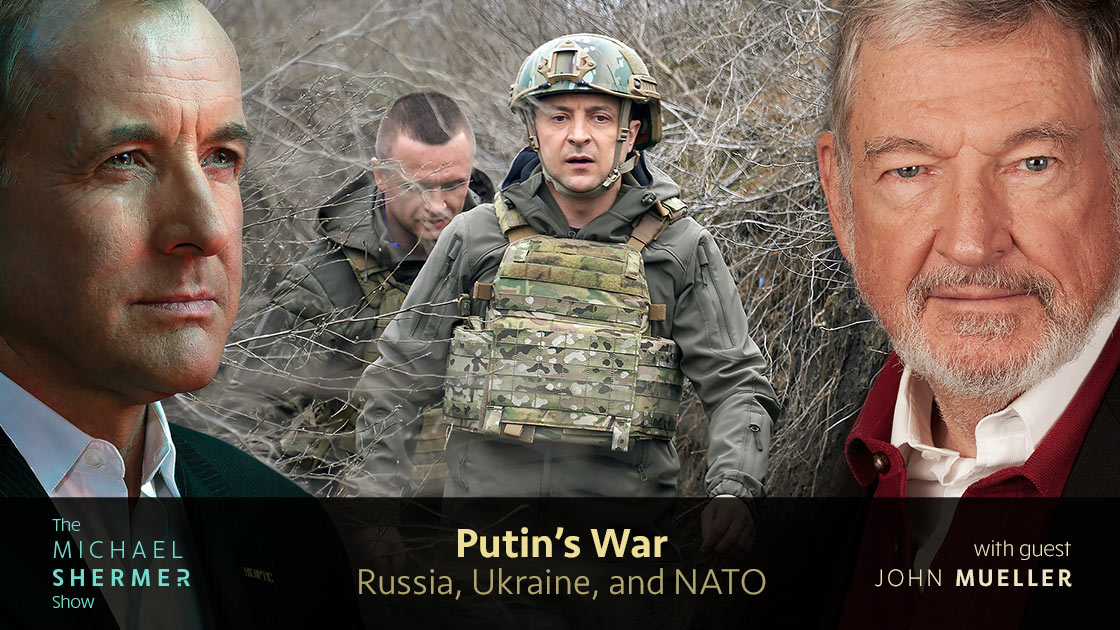
Shermer speaks with renowned Ohio State University political scientist John Mueller about the ongoing crisis in Ukraine and what we might expect from Putin’s Russia in the coming weeks, months, and years, along with Dr. Mueller’s outline for how to end the current conflict and compromise with Putin.
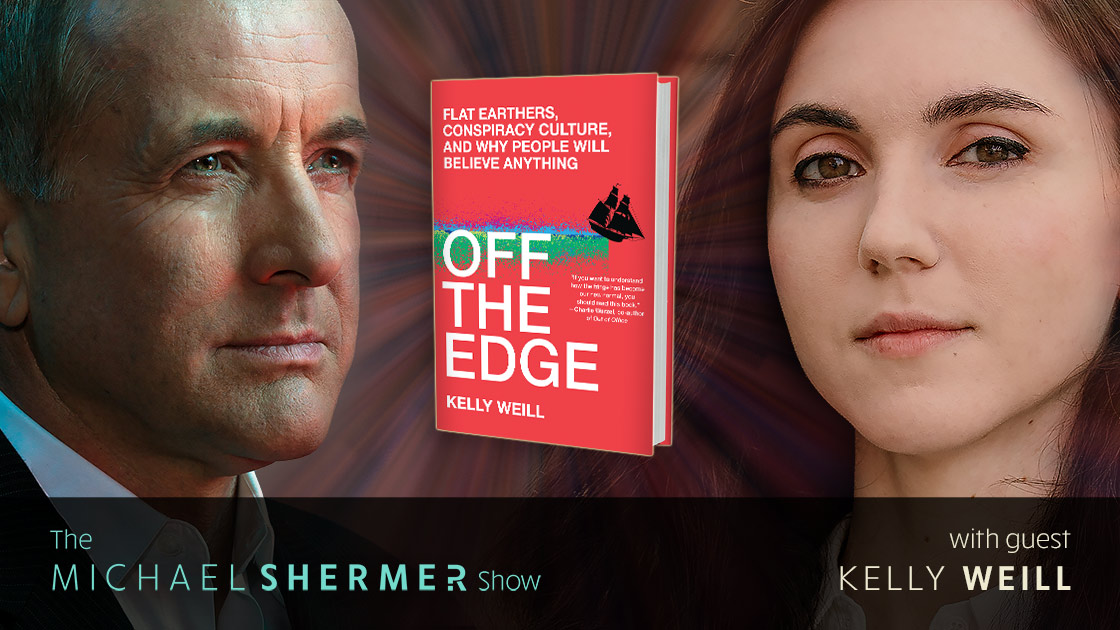
Michael Shermer speaks with journalist Kelly Weill whose work covers extremism, disinformation, and online conspiracy theories in current affairs. The conversation is based on her book Off the Edge which tells a powerful story about belief, polarized realities, and what needs to happen so that we might all return to the same spinning globe.

Michael Shermer provides an analysis of Russia’s war on Ukraine. Will sanctions work? This reading is based on his Substack post entitled: “Putin’s Problem: The outlawry of war has forced tyrants to concoct excuses for invading other countries. How should we respond? Evidence shows that outcasting in the form of economic sanctions beats armed conflict.”
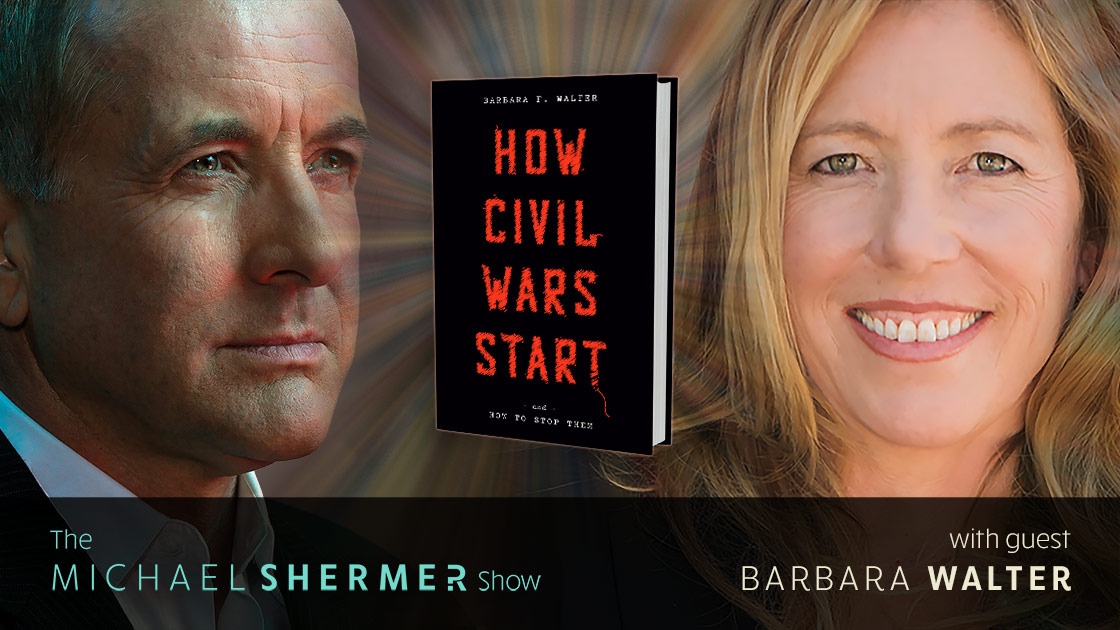
Political violence rips apart several towns in southwest Texas. A far-right militia plots to kidnap the governor of Michigan and try her for treason. An armed mob of Trump supporters and conspiracy theorists storms the U.S. Capitol. Are these isolated incidents? Or is this the start of something bigger? Michael Shermer speaks with professor of political science, Barbara F. Walter, about her increasing worry about civil conflict in the United States.
Michael Shermer speaks with anthropologist Elizabeth Weiss about woke archaeology and erasing the past, based on her book Repatriation.
In this episode, based on the book Free Speech, Michael Shermer and Jacob Mchangama discuss the riveting legal, political, and cultural history of the principle, how much we have gained from it, and how much we stand to lose without it.
Author, journalist and TV personality Nick Pope ran the British government’s UFO program for the Ministry of Defense, leading the media to call him the real Fox Mulder. He’s recognized as one of the world’s leading experts on UFOs, the unexplained, and conspiracy theories. Nick is the media’s go-to person for UFOs.

Michael Shermer speaks with American psychologist Dr. Frank J. Sulloway about the relative roles of genes, environment, hard work, and luck in how lives turn out. For decades, Dr. Sulloway has employed evolutionary theory to understand how family dynamics affect personality development.
Michael Shermer speaks with Professor of Molecular Genetics, Johnjoe McFadden, about: our medieval ancestors • science and religion • how pre-modern theologians thought about the nature of reality • Ptolemaic vs. Tychonic vs. Copernican world systems • simplicity in math, physics, biology, medicine, and the social sciences • quantum physics and simplicity • Postmodernism and the search for Truth • Is science more Bayesian than Popperian? • the anthropic cosmological principle • the hard problem of consciousness.
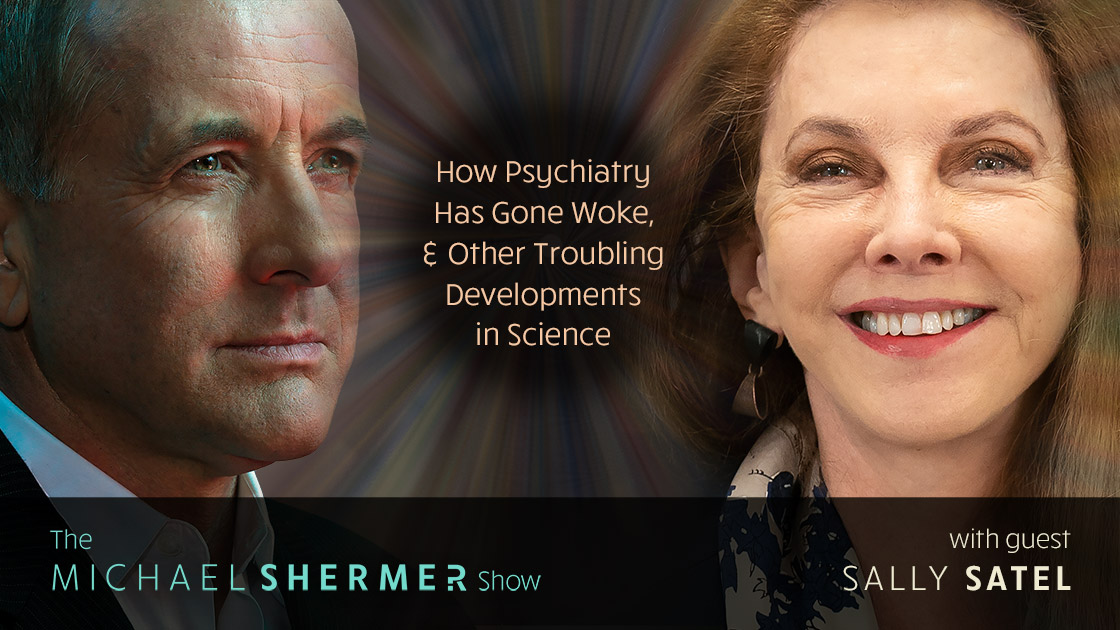
Michael Shermer and professor of psychiatry, Sally Satel, discuss: how political correctness has corrupted medicine • how wokeness and social justice activism has corrupted psychiatry • What is social justice and who is really practicing it? • medical models of mental illness • why mental illness is so hard to treat • medical models of addiction: where they succeed, where they fail • how addictions are treated • Can one be addicted to porn? • Can one be addicted to


