The Skeptics Society & Skeptic magazine

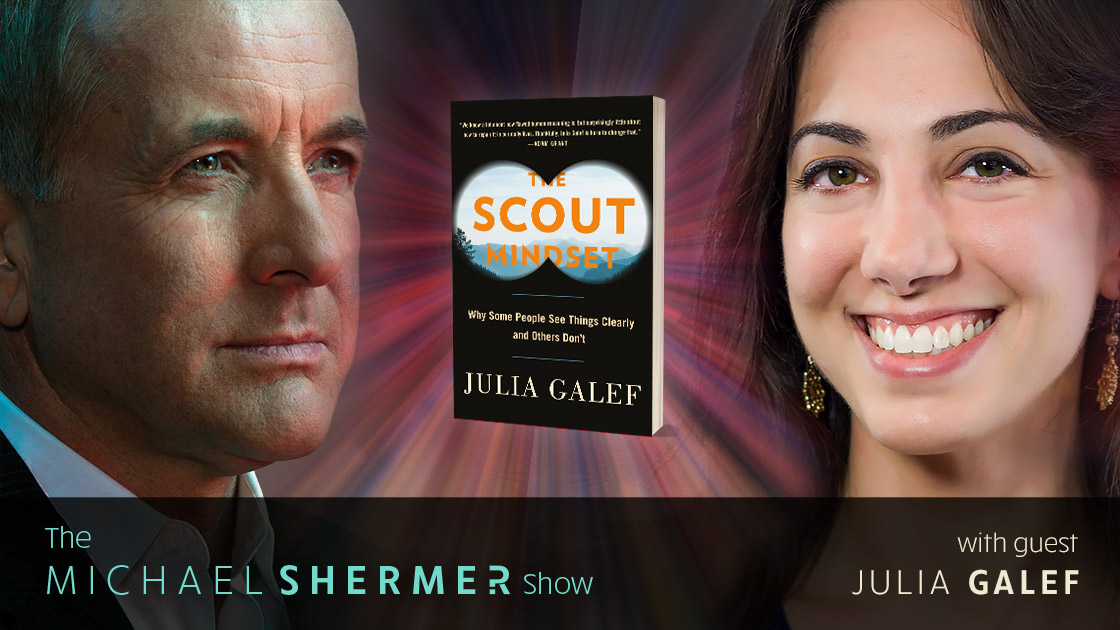
Julia Galef — The Scout Mindset: Why Some People See Things Clearly and Others Don’t

In episode 202, Michael Shermer speaks with Julia Galef about why some people see things clearly and others don’t. She distinguishes a “soldier” mindset from a “scout” mindset. Galef and Shermer explore why our brains deceive us and what we can do to change the way we think.
Michael Shermer on Evolution, I.D. Theory, Consciousness, Morality, Gullibility, and Nothing (AMA # 7)

In this AMA Dr. Shermer answers questions from listeners about evolution and creationism, intelligent design theory, the hard problem of consciousness, the origins of morality, how science deals with anomalies, to what extent humans are naturally rational or irrational / skeptical or gullible, and why there is something rather than nothing.

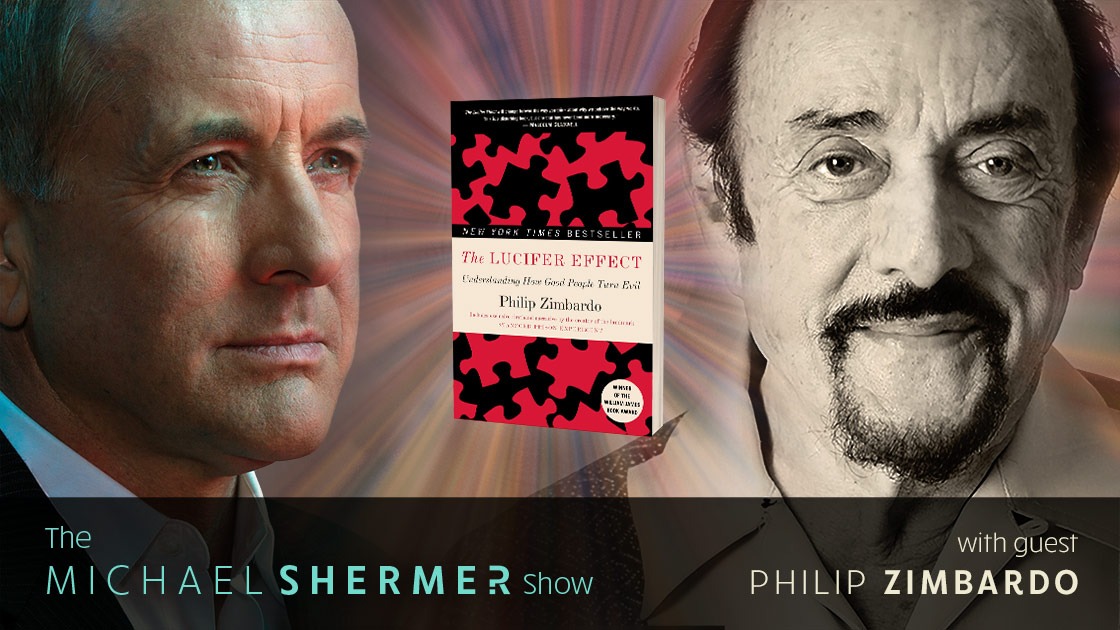
Philip Zimbardo — The Nature and Nurture of Good and Evil

August 15 marks the 50th anniversary of day one of the Stanford Prison Experiment — one of the most controversial studies in the history of social psychology. In episode 200, Michael Shermer speaks with renowned social psychologist and creator of the Stanford Prison Experiment Philip Zimbardo, exploring the mechanisms that make good people do bad things, how moral people can be seduced into acting immorally, and what this says about the line separating good from evil.

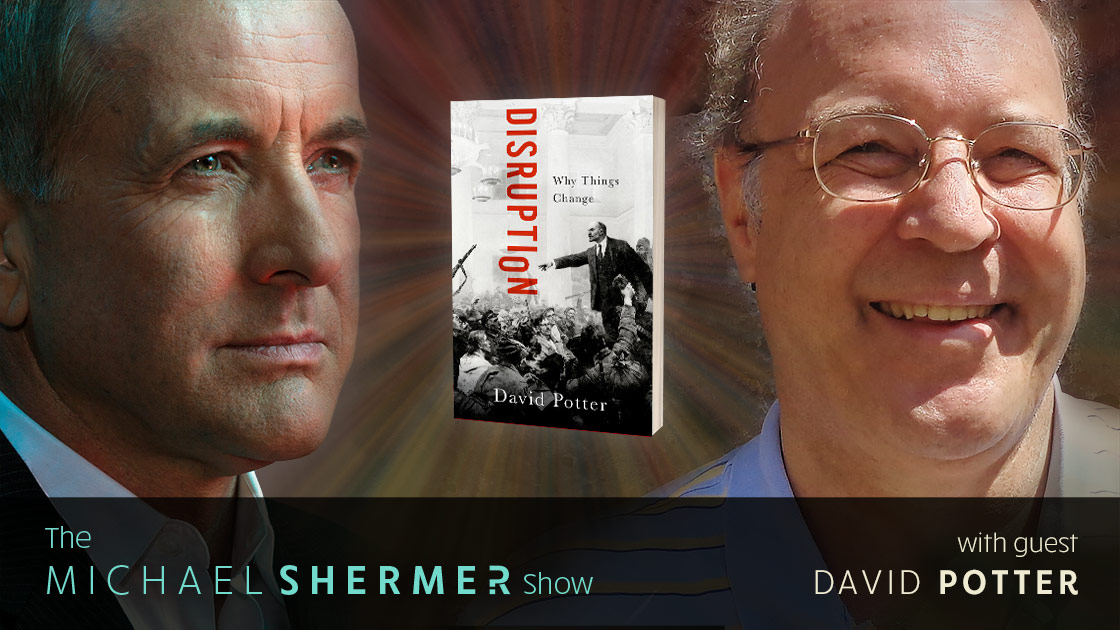
David Potter — Disruption: Why Things Change

In episode 199, Michael Shermer and David Potter take a deep dive into disruptions. What are the conditions in which radical change happens? Is democracy in trouble? Not all radical groups are the same, and all the groups that the book explores take advantage of mistakes that have challenged belief in the competence of existing institutions to be effective.

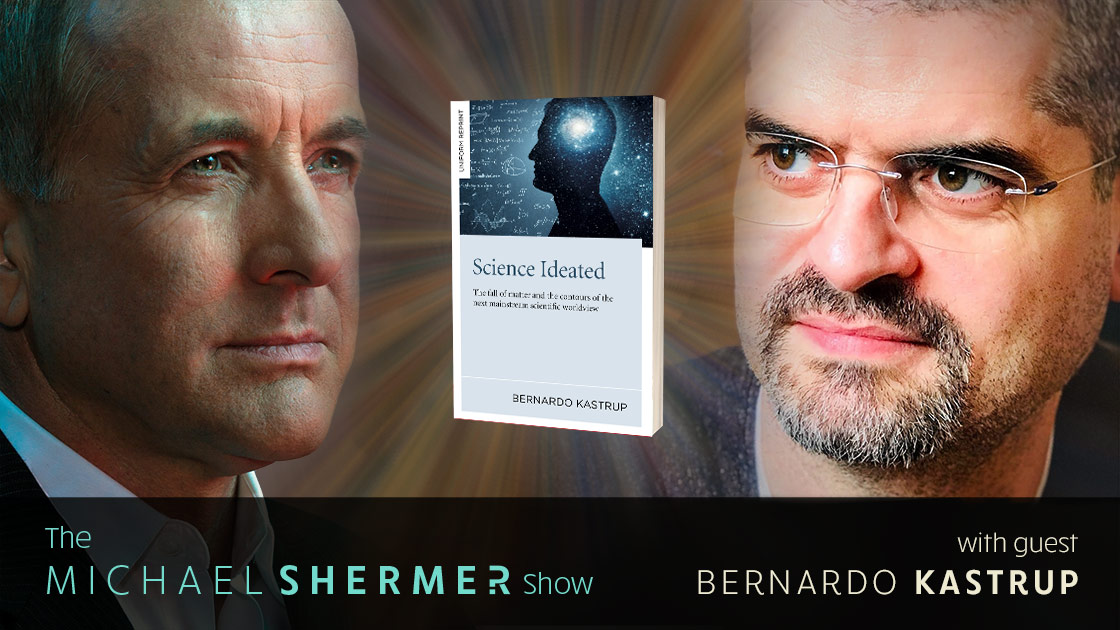
Bernardo Kastrup on the Nature of Reality: Materialism, Idealism, or Skepticism

In this expansive conversation, Michael Shermer speaks with Bernardo Kastrup, the executive director of Essentia Foundation. His work has been leading the modern renaissance of metaphysical idealism, the notion that reality is essentially mental. Shermer and Kastrup discuss: materialism, idealism, dualism, monism, panpsychism, free will, determinism, consciousness, the problem of other minds, artificial intelligence, out of body and near-death experiences, model dependent realism, and the ultimate nature of reality.

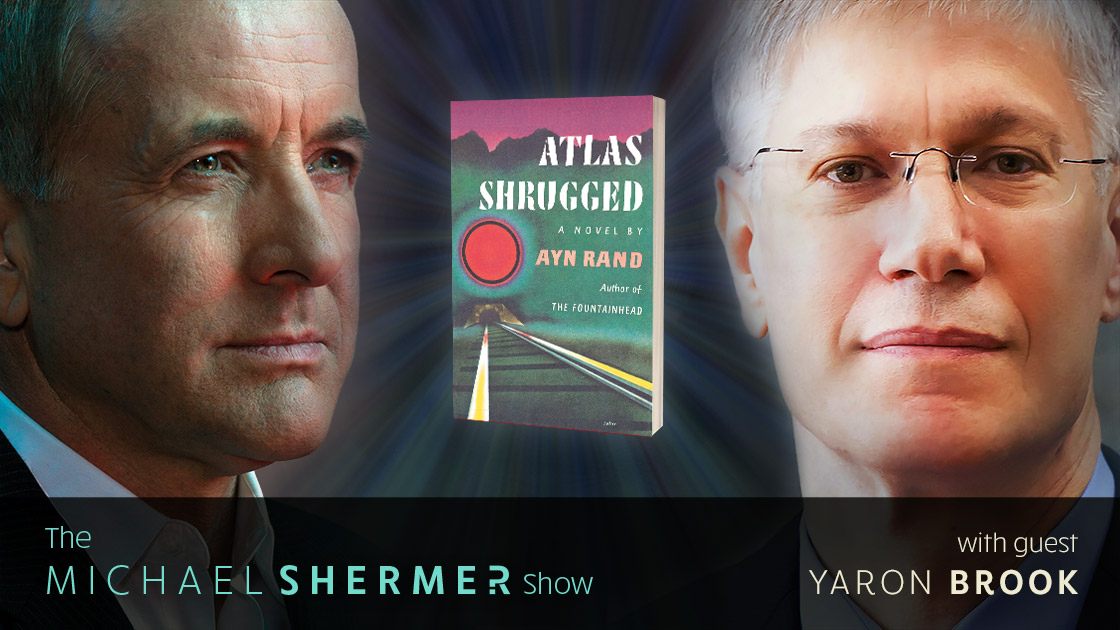
Yaron Brook on Ayn Rand, Atlas Shrugged, and Objectivism

In episode 197, Michael speaks with entrepreneur, writer, and activist Yaron Brook about Ayn Rand, Atlas Shrugged, Objectivism; individualism vs. collectivism; the nature of human nature; altruism, cooperation, reparations, and charity; the starting point of morality and the foundation of ethics; collective action problems and how they are best solved; our moral obligation to help those who cannot help themselves; the Is-Ought problem of determining right and wrong; reason and empiricism; immigration, abortion, foreign wars, the welfare state, and terrorism.

Annie Murphy Paul — The Extended Mind: The Power of Thinking Outside the Brain

In episode 196, Michael speaks with Annie Murphy Paul as she explodes the myth that the brain is an all-powerful, all-purpose thinking machine that works best in silence and isolation. Paul tells the stories of Jackson Pollock, Charles Darwin, Jonas Salk, Friedrich Nietzsche, Watson and Crick, among others — who have mastered the art of thinking outside the brain.

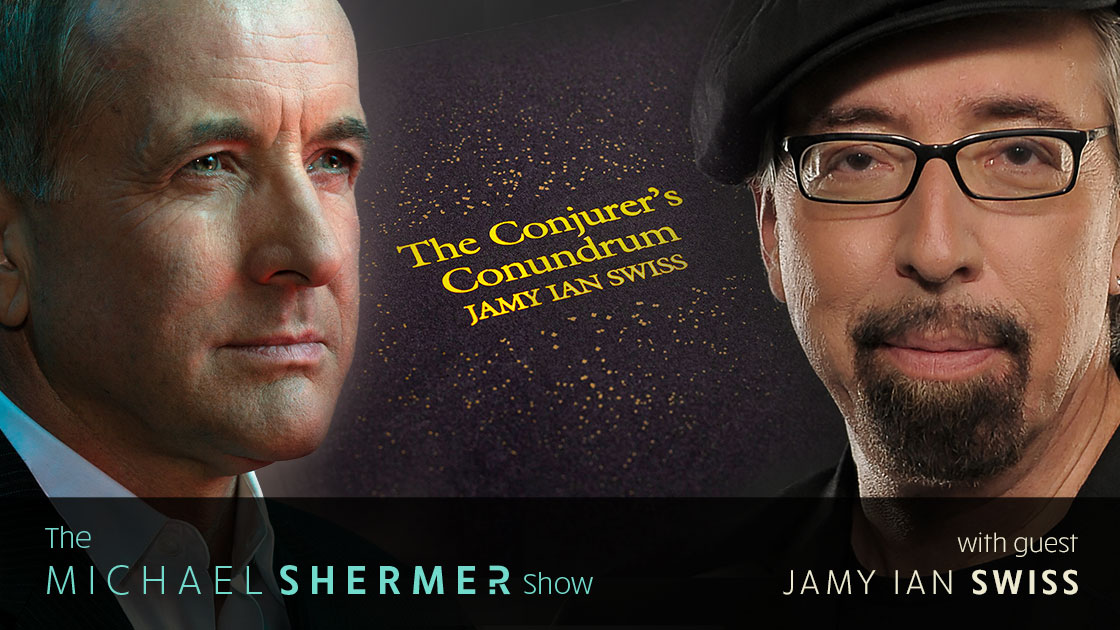
Jamy Ian Swiss — The Conjuror’s Conundrum

In episode 195, Michael speaks with internationally acclaimed sleight-of-hand artist and 35-year activist for scientific skepticism, Jamy Ian Swiss, about his lively, personal book, The Conjuror’s Conundrum, that takes readers on a magical mystery tour of the longstanding connection between magic and skepticism.

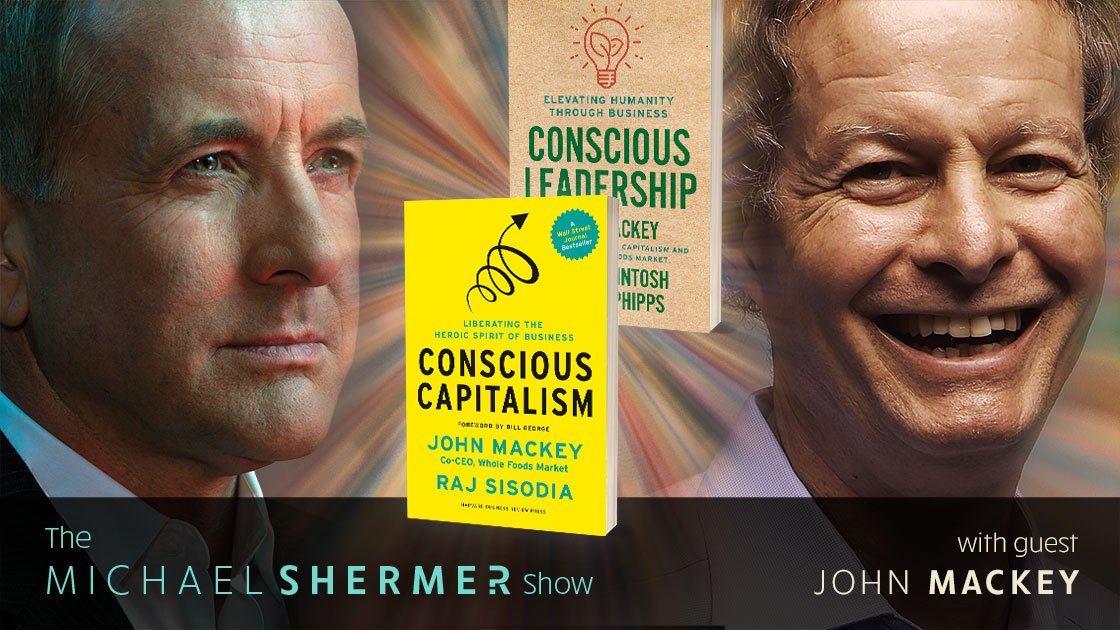
John Mackey on Conscious Capitalism & Conscious Leadership

In episode 194, Michael Shermer speaks with John Mackey, Founder and CEO of Whole Foods Market and author of Conscious Capitalism and Conscious Leadership. Mackey’s goal is to write a new narrative for capitalism that asks us to care about customers and human beings instead of data points on a spreadsheet.

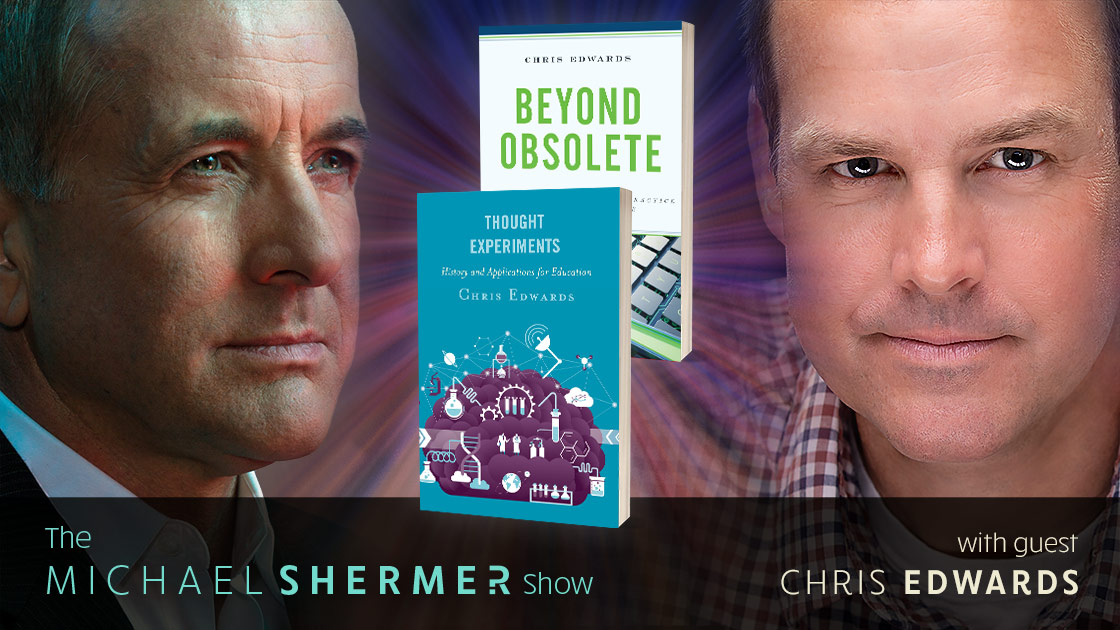
Chris Edwards on Educational Reform and Thought Experiments

Michael Shermer speaks with Chris Edwards about educational reform, his study and teaching of world history, the problems in K–12 education, the zip-code model vs. the seat time model of education and how they result in massively different educational outcomes, how “no child left behind” left children behind, federal vs. state educational systems, and more…

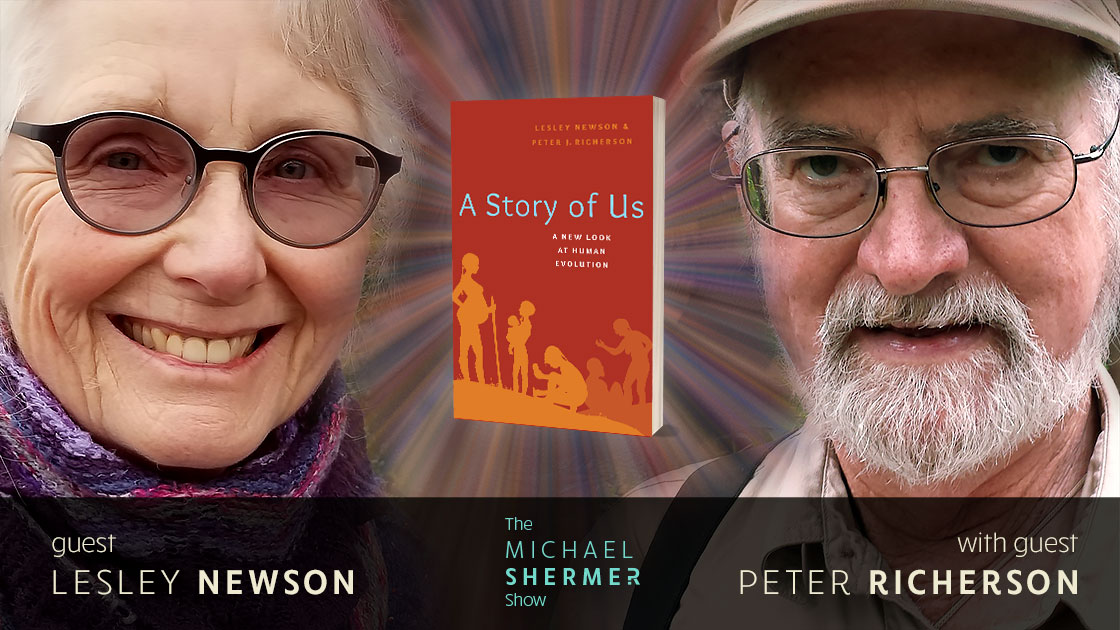
Lesley Newson & Peter Richerson — A New Look at Human Evolution

In episode 192, Michael speaks with husband-and-wife team Lesley Newson and Peter Richerson about the deep history of humankind discussed in their book, A Story of Us, in which they present this rich narrative and explain how the evolution of our genes relates to the evolution of our cultures.

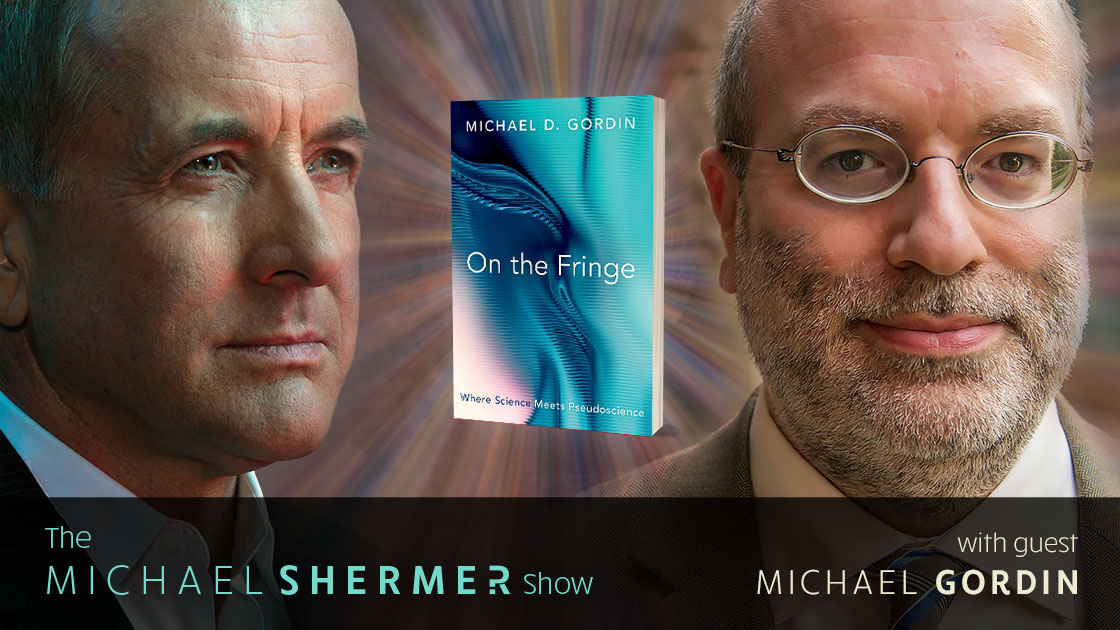
Michael Gordin on the Fringe of Where Science Meets Pseudoscience

Everyone has heard of the term “pseudoscience,” typically used to describe something that looks like science, but is somehow false, misleading, or unproven. In episode 191, Michael explores with Michael Gordin the philosophical and historical attempts to address the problem of scientific demarcation.

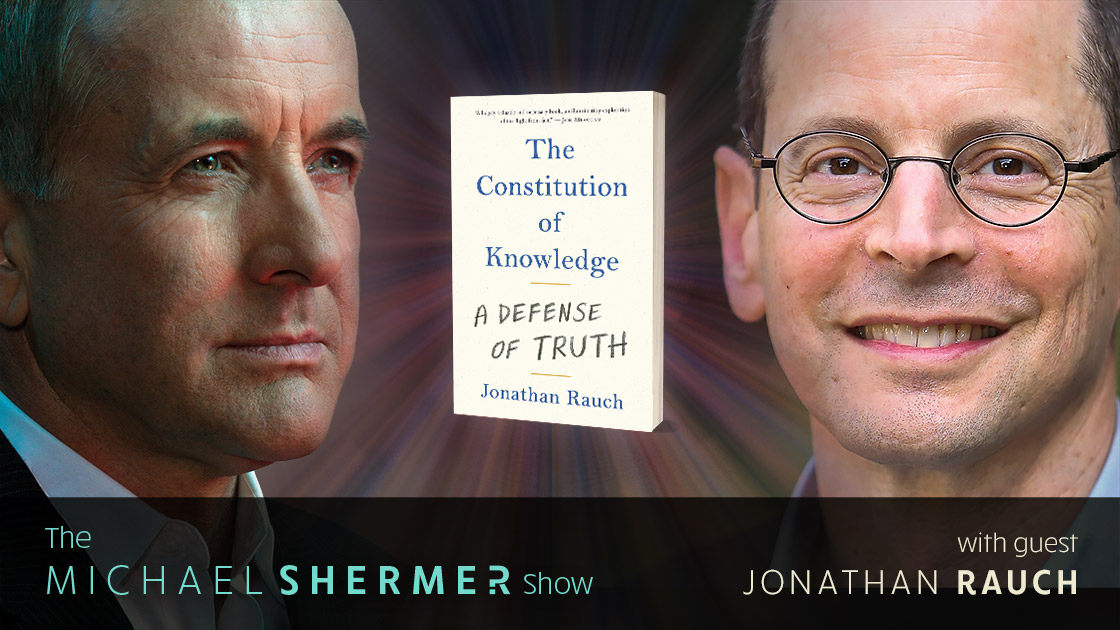
Jonathan Rauch — The Constitution of Knowledge: A Defense of Truth

In episode 190, Michael Shermer speaks with Jonathan Rauch as he reaches back to the parallel eighteenth-century developments of liberal democracy and science to explain what he calls the “Constitution of Knowledge” — our social system for turning disagreement into truth.

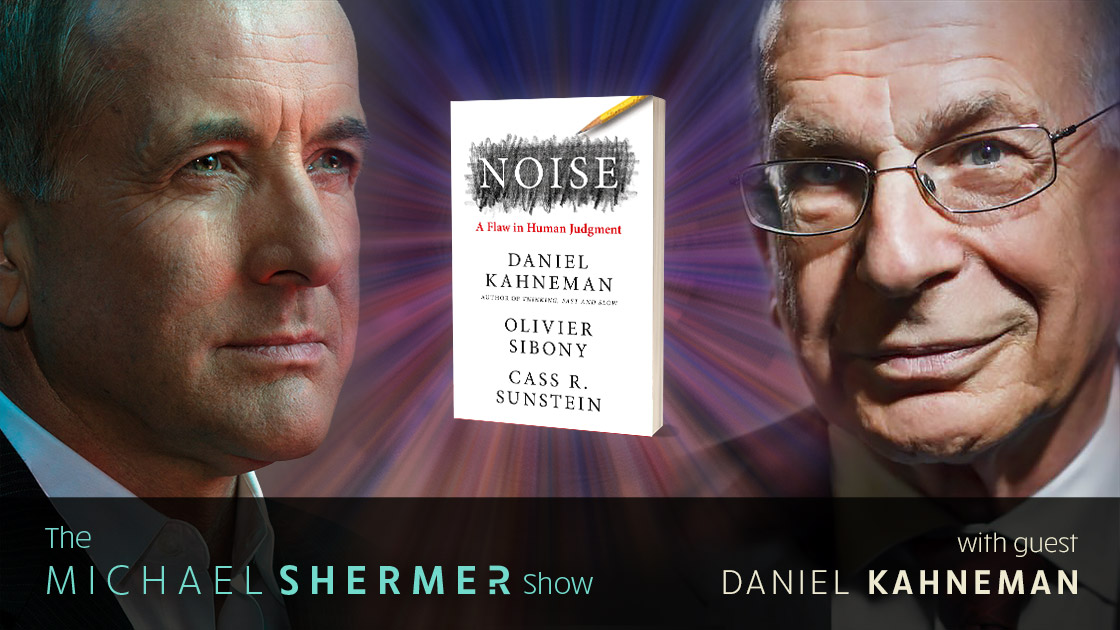
Daniel Kahneman — Noise: A Flaw in Human Judgment

In episode 189, Michael speaks with Nobel Prize winning psychologist and economist Daniel Kahneman about the detrimental effects of noise and what we can do to reduce both noise and bias, and make better decisions in: medicine, law, economic forecasting, forensic science, bail, child protection, strategy, performance reviews, and personnel selection.

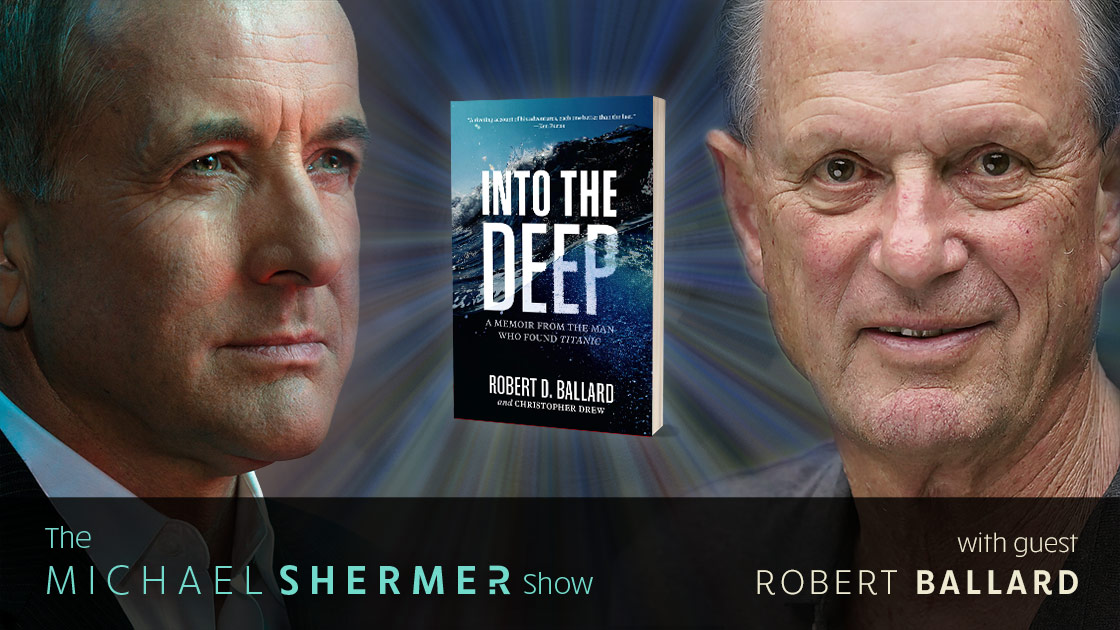
Robert Ballard — Into the Deep: A Memoir From the Man Who Found Titanic

In episode 188, Michael goes Into the Deep with legendary undersea explorer Robert Ballard about his many journeys to find the Titanic, the Lusitania, the Bismarck, Nazi submarine U-166, the USS Yorktown, JFK’s PT 109, and two missing nuclear submarines under the cover of searching for the Titanic.

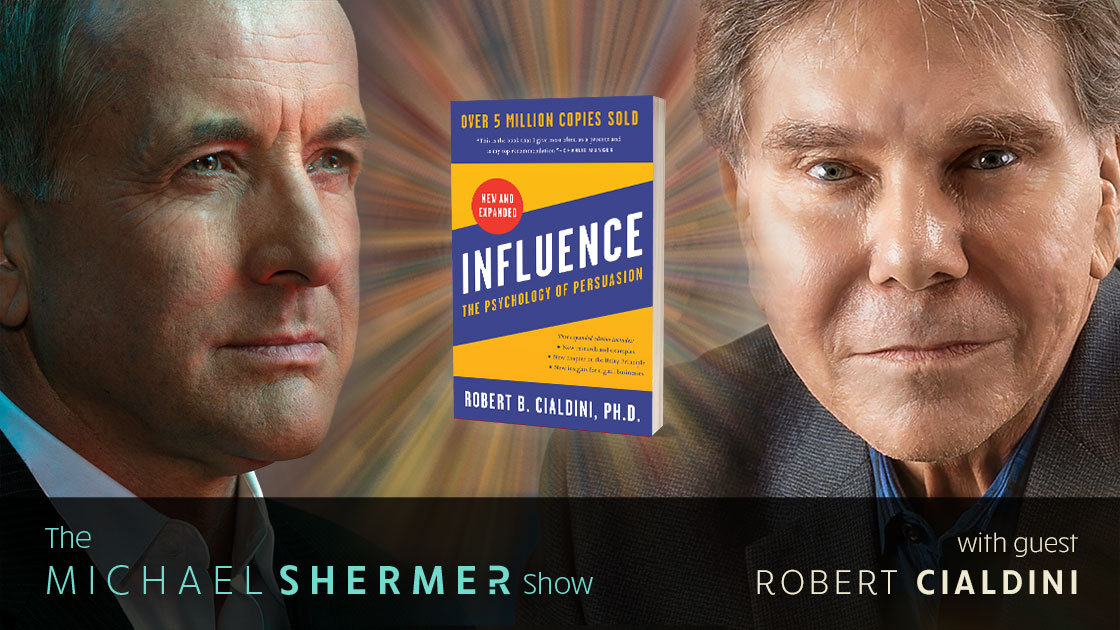
Robert Cialdini — Influence: The Psychology of Persuasion

In episode 187, Michael speaks with Robert Cialdini — New York Times bestselling author of Pre-Suasion and the seminal expert in the fields of influence and persuasion — about the psychology of why people say yes and how to apply these insights ethically in business and everyday settings.

William Nordhaus on the Economics of Global Warming, Pandemics, and Corporate Malfeasance

In episode 186 of Michael Shermer’s podcast, Michael speaks with Nobel Prize-winning pioneer in environmental economics, Dr. Nordhaus, about his book The Spirit of Green: The Economics of Collisions and Contagions in a Crowded World in which he explains how and why “green thinking” could cure many of the world’s most serious problems — from global warming to pandemics.

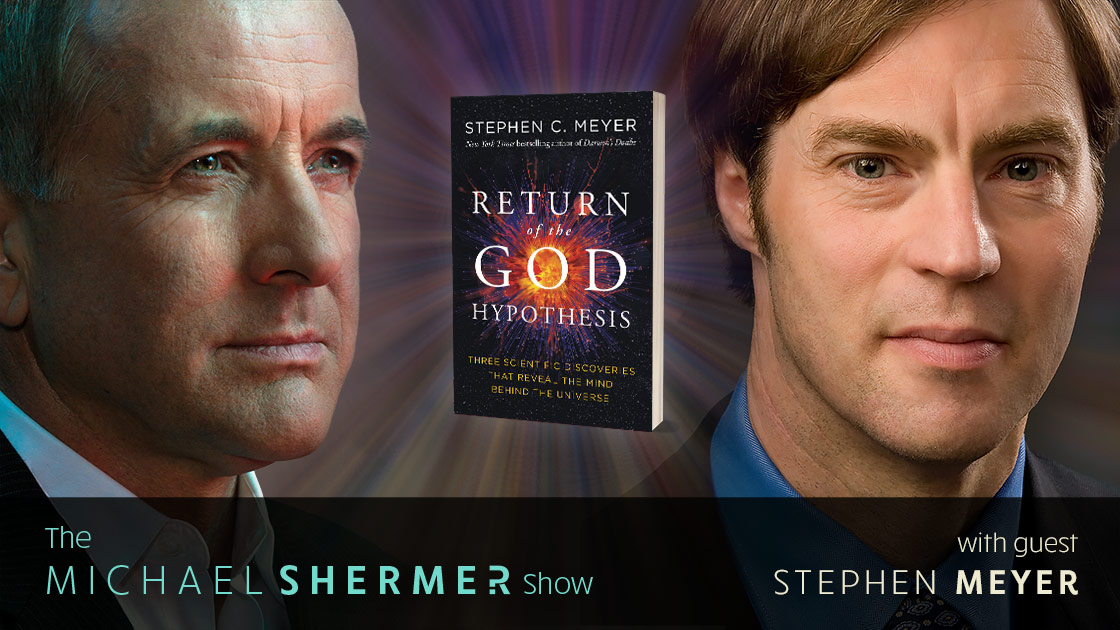
Stephen Meyer on the Return of the God Hypothesis: Three Scientific Discoveries that Reveal the Mind Behind the Universe (and why Shermer remains skeptical)

In episode 185 of Michael Shermer’s podcast, Michael speaks with Stephen Meyer about his best selling book: Return of the God Hypothesis: Three Scientific Discoveries that Reveal the Mind Behind the Universe. Shermer responds to each of his claims and a stimulating and enlightening conversation ensues.

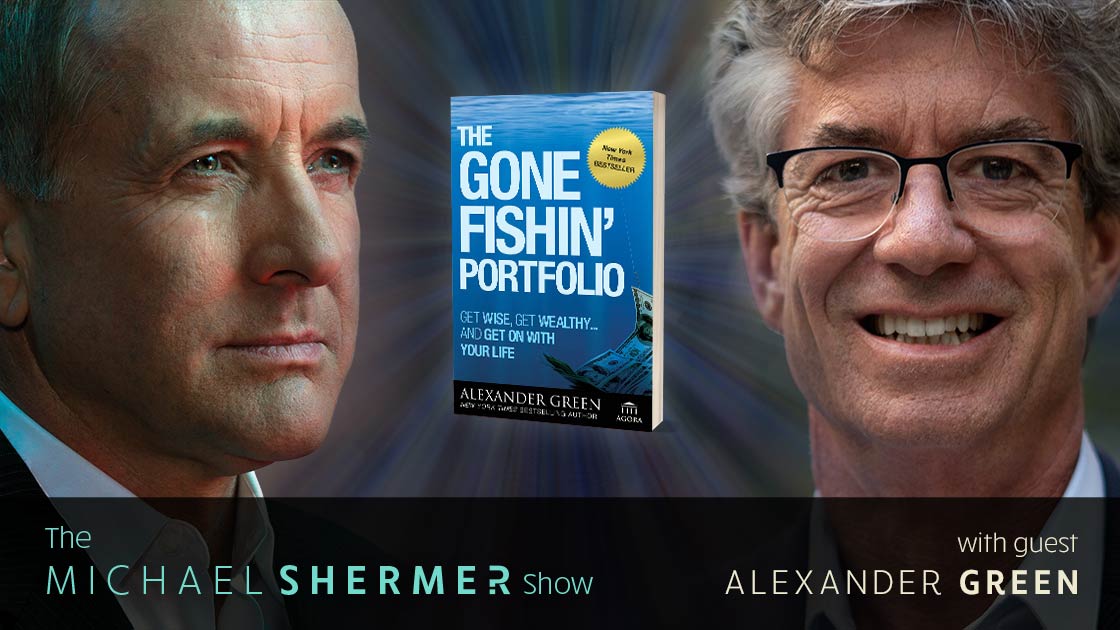
Alexander Green on Money & Why It Matters

In episode 184 of Michael Shermer’s podcast, Michael speaks with Alexander Green about one of the most important and yet poorly understood concepts in modern society: money and why it matters.

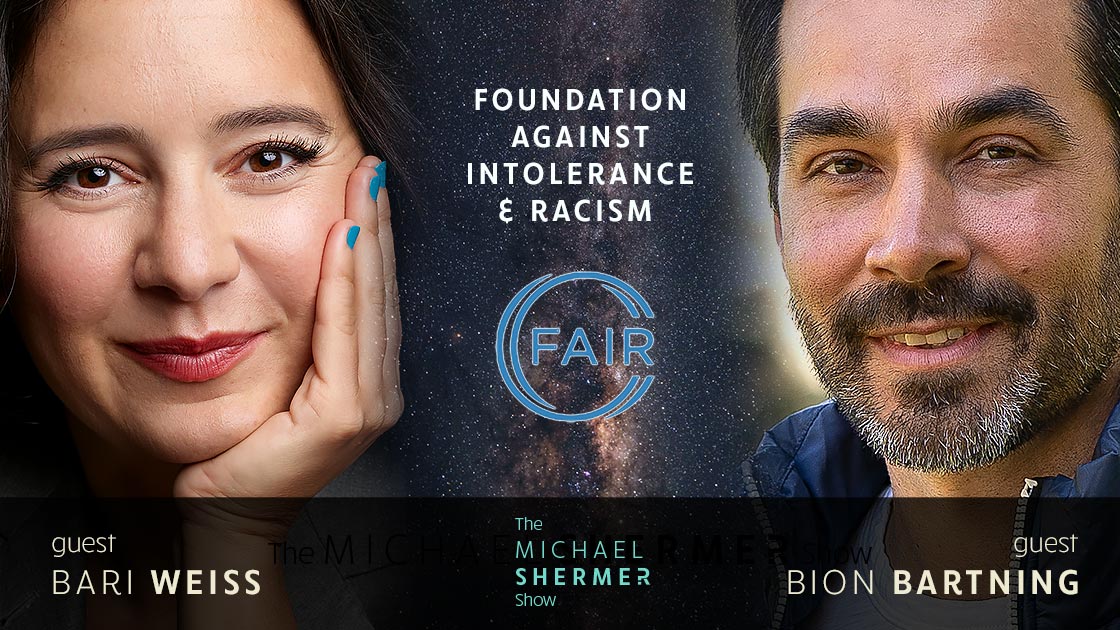
Bari Weiss & Bion Bartning on Their New Foundation Against Intolerance & Racism

Shermer, Weiss, and Bartning discuss: why we need FAIR when we have the ACLU, the SPLC, etc. • Richard Dawkins canceled by the AHA • hate speech as violence • how Liberal and Conservative attitudes have shifted • private vs. public speech • government censorship vs. cancel culture • social media companies: platforms or publishers? • anti-Semitism • QAnon • conspiracies • why free speech is foundational to other rights, and more…

PREVIOUS
 
NEXT
SKEPTIC • 3938 State St., Suite 101, Santa Barbara, CA, 93105-3114 • 1-805-576-9396 • Copyright © 1992–2024. All rights reserved • Privacy Policy