The Skeptics Society & Skeptic magazine

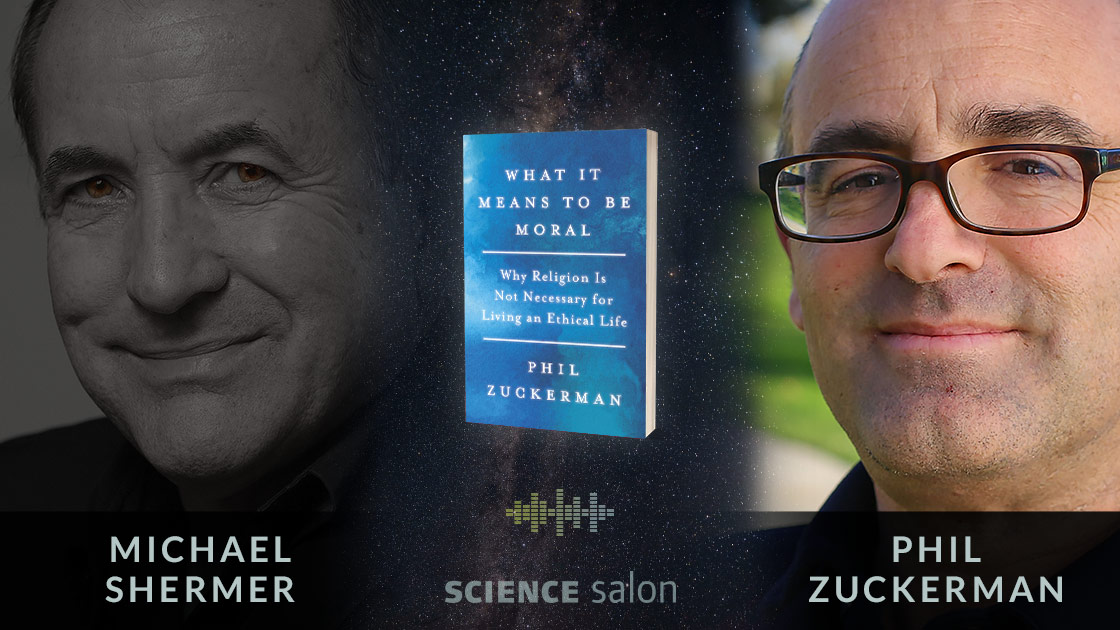
Phil Zuckerman — What it Means to be Moral: Why Religion is Not Necessary for Living an Ethical Life

By deconstructing religious arguments for God-based morality and guiding readers through the premises and promises of secular morality, Zuckerman argues that the major challenges facing the world today―from climate change and growing inequality to religious support for unethical political policies to gun violence and terrorism―are best approached from a nonreligious ethical framework.
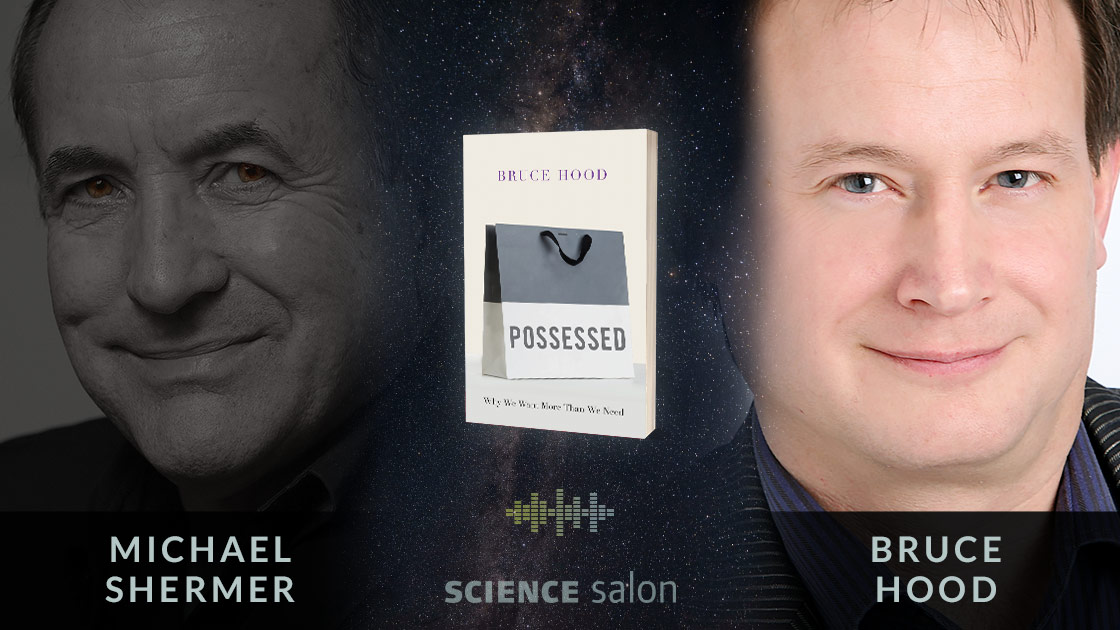
Bruce Hood — Possessed: Why We Want More Than We Need

Psychologist Bruce Hood explains why our uniquely human preoccupation with ownership governs our behavior, even when it is often irrational, and destructive. Possessed is the first book to explore how ownership has us enthralled in relentless pursuit of a false happiness, with damaging consequences for society and the planet — and how we can stop buying into it.

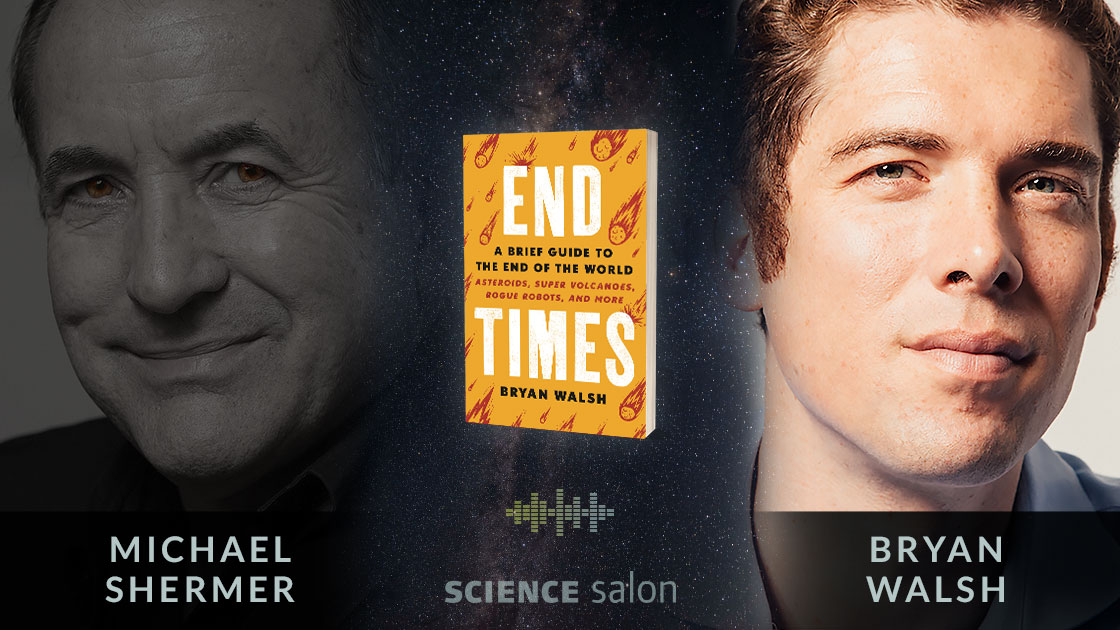
Bryan Walsh — End Times: A Brief Guide to the End of the World

In Science Salon # 80, Michael Shermer speaks with Bryan Walsh about his brand new book End Times in which he provides a stunning panoramic view of the most catastrophic threats to the human race.

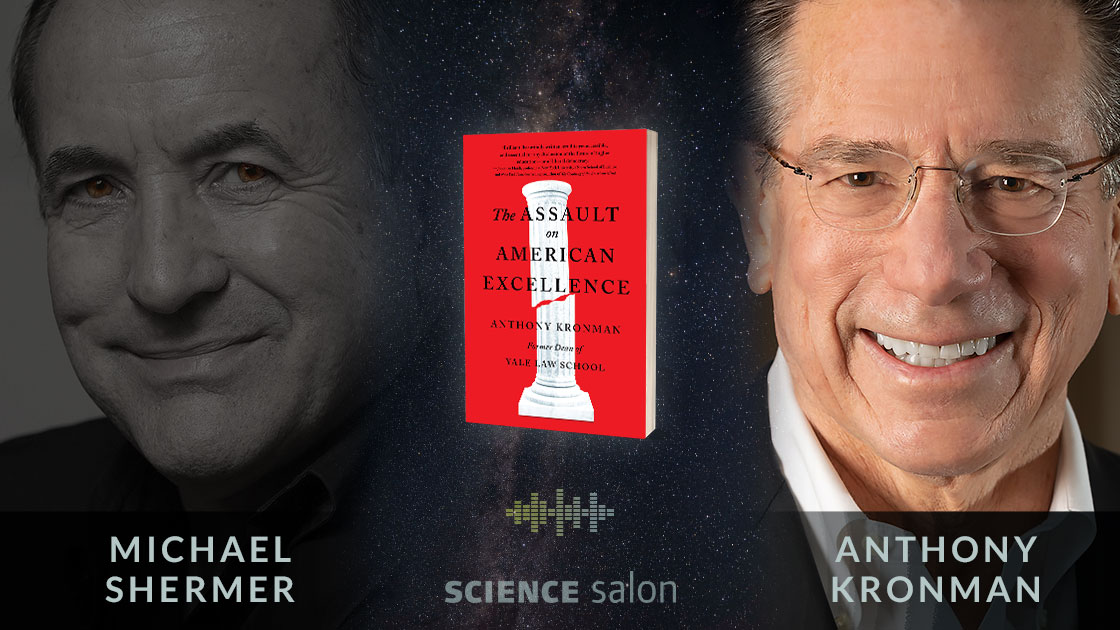
Anthony Kronman — The Assault on American Excellence

The former dean of Yale Law School argues that the feverish egalitarianism gripping college campuses today is out of place at institutions whose job is to prepare citizens to live in a vibrant democracy. Where many see only the suppression of free speech, the babying of students, and the drive to bury the imperfect parts of our history, Kronman recognizes in these on-campus clashes a threat to our democracy.

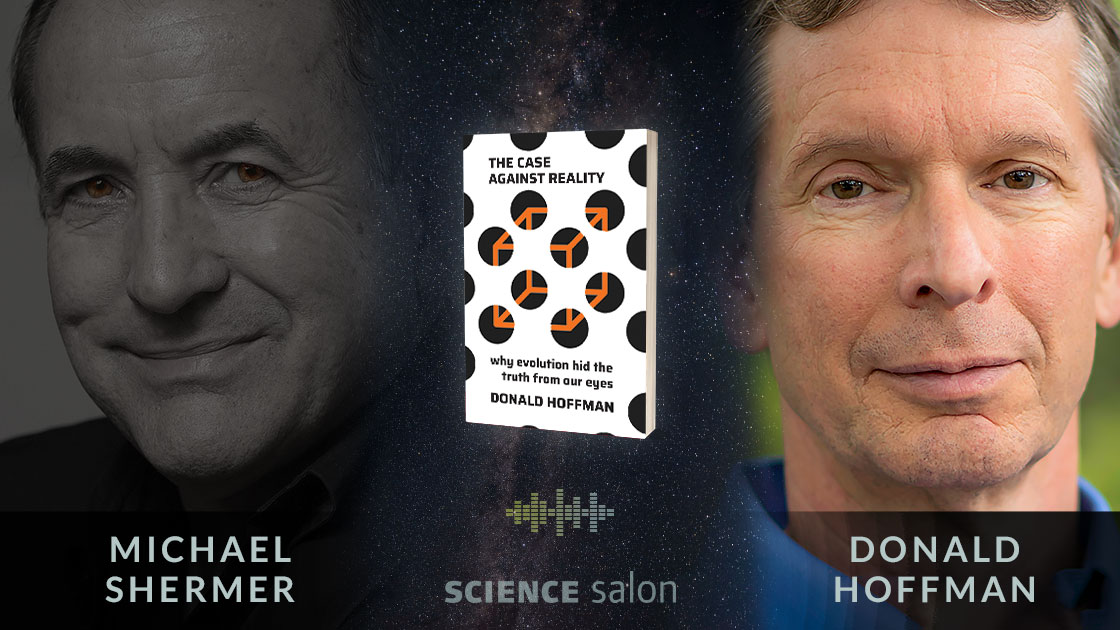
Dr. Donald Hoffman — The Case Against Reality: Why Evolution Hid the Truth From Our Eyes

Cognitive scientist Dr. Donald Hoffman challenges the leading scientific theories that claim that our senses report back objective reality. How can it be possible that the world we see is not objective reality? And how can our senses be useful if they are not communicating the truth? Hoffman argues that while we should take our perceptions seriously, we should not take them literally.

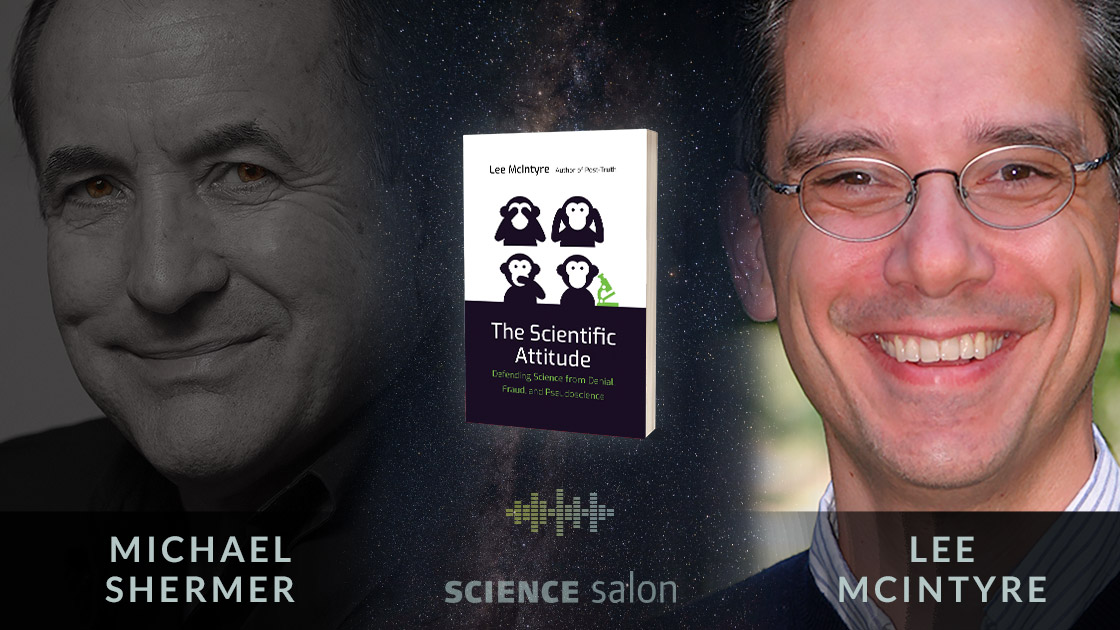
Dr. Lee McIntyre — The Scientific Attitude: Defending Science from Denial, Fraud, and Pseudoscience

In Science Salon # 77, an engaging conversation on the nature of science, Dr. McIntyre and Dr. Shermer get deep into the weeds of where to draw the line between science and pseudoscience.

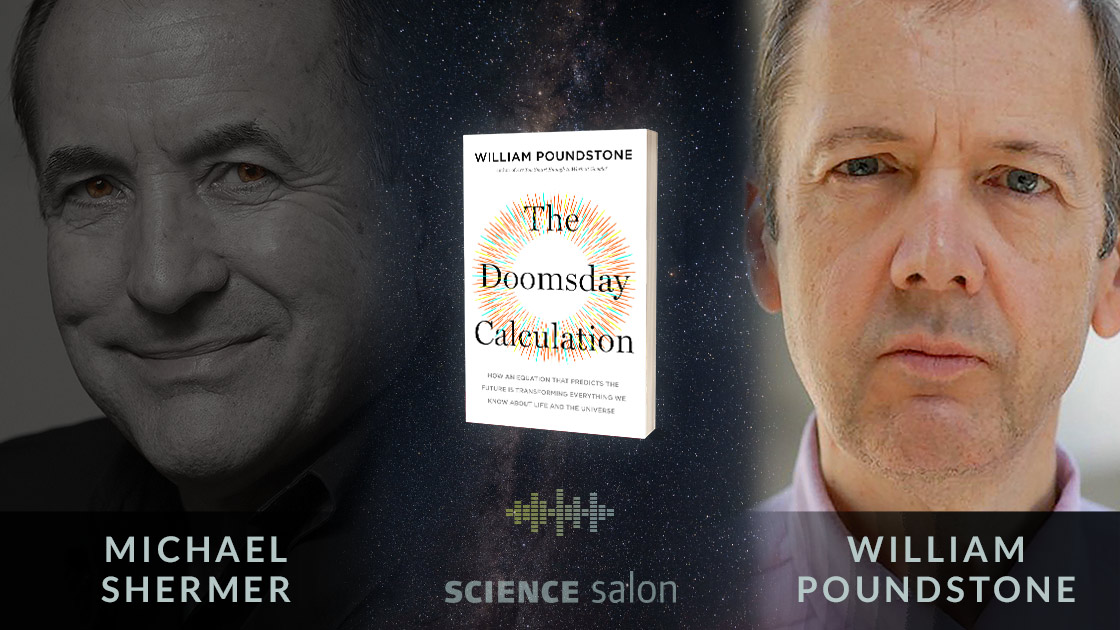
William Poundstone — The Doomsday Calculation: How an Equation that Predicts the Future is Transforming Everything We Know About Life and the Universe

When will the world end? How likely is it that intelligent extraterrestrial life exists? Are we living in a simulation like the Matrix? Is our universe but one in a multiverse? How does Warren Buffett continue to beat the stock market? How much longer will your romance last? In this wide ranging conversation with Michael Shermer, science writer William Poundstone answers these questions, and more.

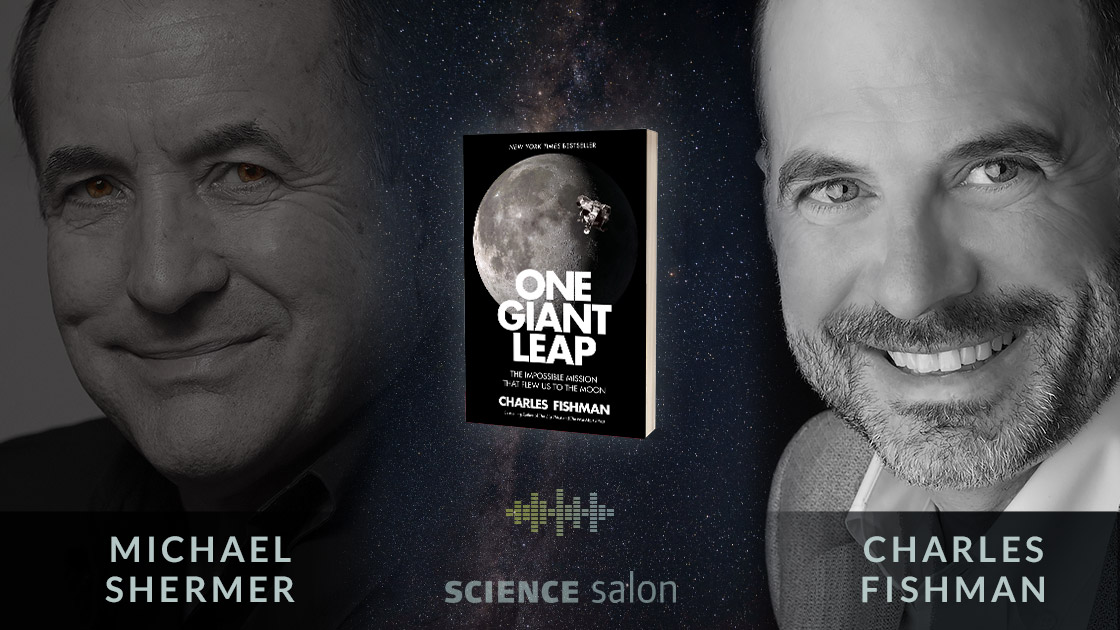
Charles Fishman — One Giant Leap: The Impossible Mission that Flew us to the Moon

On this July 16th, the 50th anniversary of Apollo 11, Michael Shermer speaks with veteran space reporter Charles Fishman who has been writing about NASA and the space program for more than 30 years.

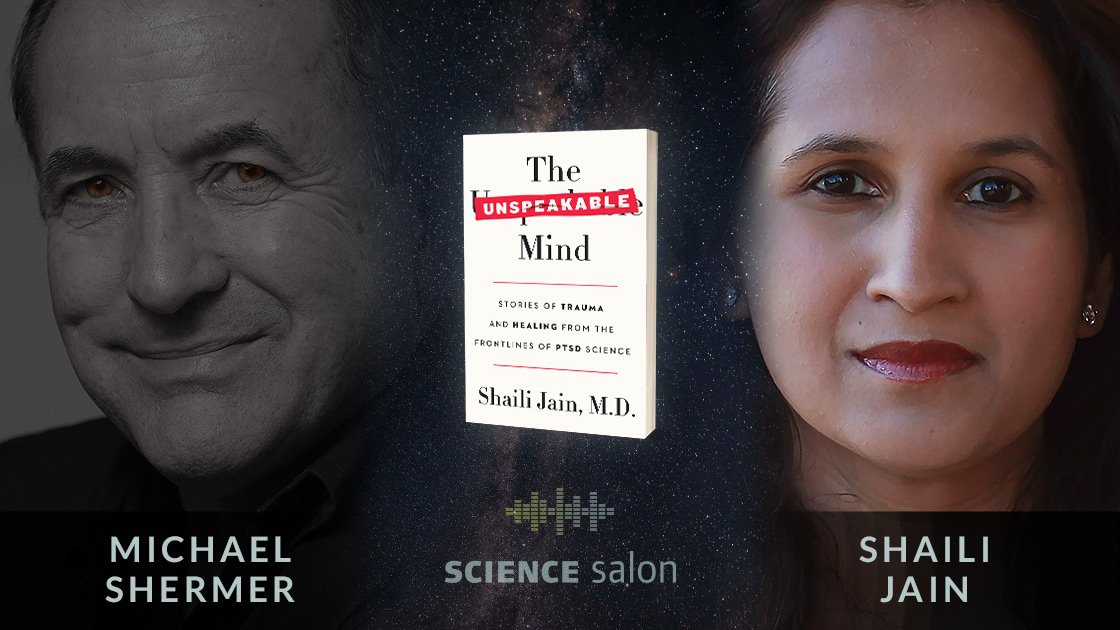
Shaili Jain, M.D. — The Unspeakable Mind: Stories of Trauma and Healing from the Frontlines of PTSD Science

Shermer speaks with practicing psychiatrist and trauma scientist at the National Center for PTSD Shaili Jain, M.D about her new book in which shines a long-overdue light on the Post-Traumatic Stress Disorder (PTSD) epidemic affecting today’s fractured world.

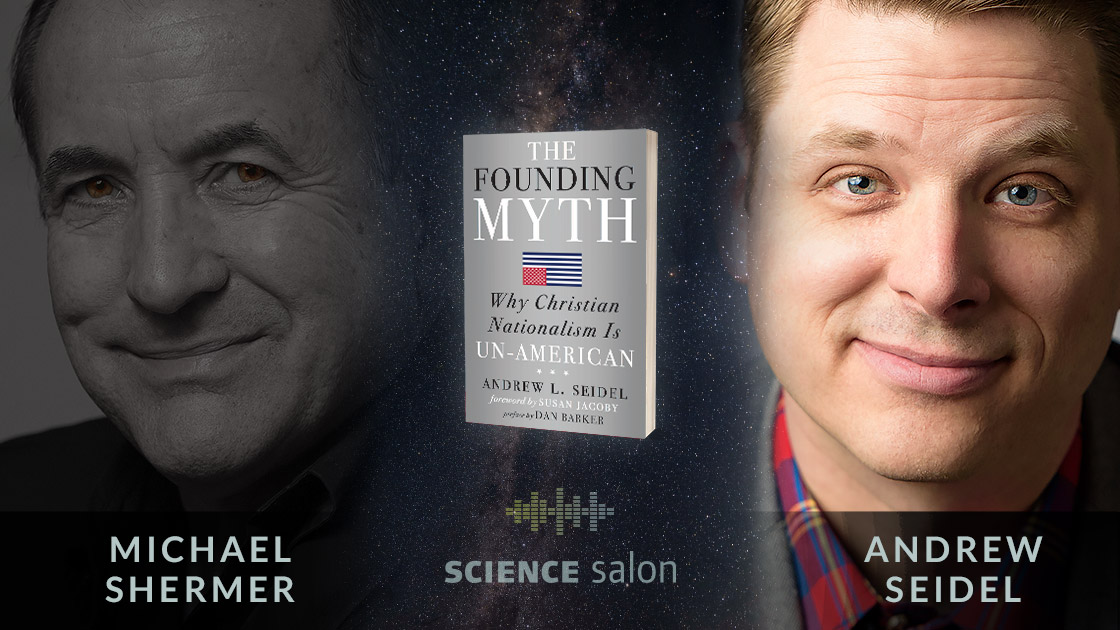
Andrew Seidel — The Founding Myth: Why Christian Nationalism is Un-American

Was America founded on Judeo-Christian principles? Are the Ten Commandments the basis for American law? What, exactly, was the role of religion in America’s founding? Shermer speaks with constitutional attorney and scholar at the Freedom from Religion Foundation (FFRF) Andrew L. Seidel who argues that America was not built on the Bible and that Christian nationalism is, in fact, un-American.

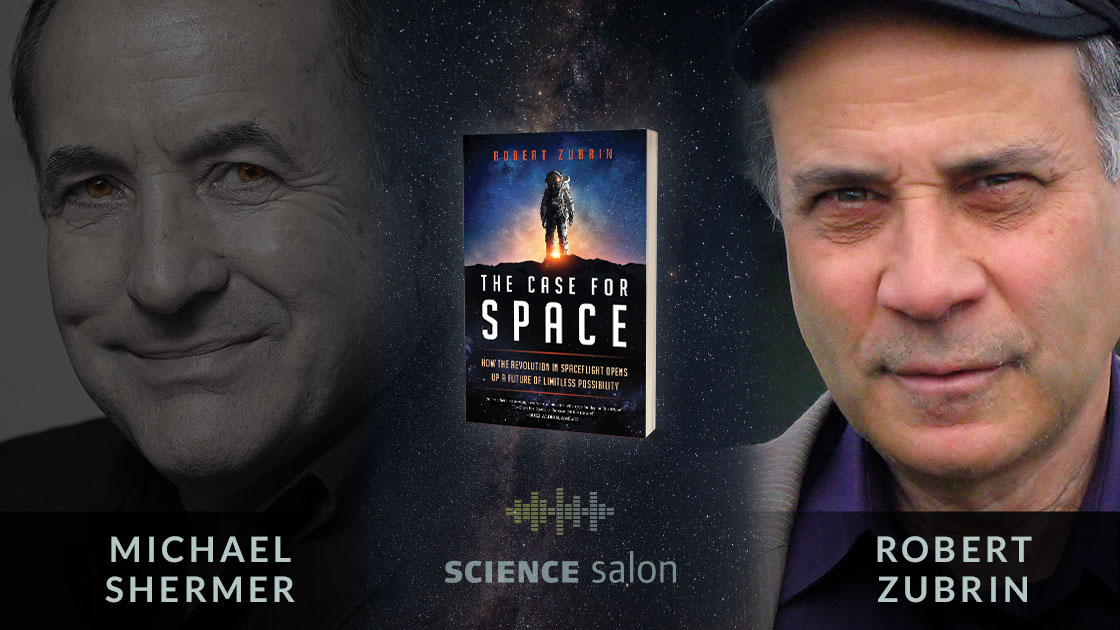
Robert Zubrin — The Case for Space: How the Revolution in Spaceflight Opens Up a Future of Limitless Possibility

In Science Salon # 72, Michael Shermer speaks with visionary astronautical engineer Robert Zubrin where he lays out the plans for how humans can become a space faring, multi-planetary civilization.

Dr. Michael Shermer — What is Truth?

In this live podcast event hosted by the Santa Barbara Science Salon in conjunction with the Skeptics Society and the Unitarian Society, co-hosted by Dr. Whitney Detar, Dr. Shermer reflects on the question “What is Truth?” in the context of his lifelong search to understand why people believe weird things.

Dr. Brian Keating — Losing the Nobel Prize: A Story of Cosmology, Ambition, and the Perils of Science’s Highest Honor

In Science Salon # 70, Dr. Michael Shermer speaks with cosmologist and inventor of the BICEP (Background Imaging of Cosmic Extragalactic Polarization) experiment Dr. Brian Keating.

Dr. Barbara Tversky — Mind in Motion: How Action Shapes Thought

In Science Salon # 69 eminent psychologist Dr. Barbara Tversky offers a major new theory of human cognition: movement, not language, is the foundation of thought.

Dr. Michael Ruse — A Darwinian Meaning to Life

Shermer and Ruse discuss Ruse’s early life growing up as a Quaker in England and how this influenced his thinking about religion • why he is a bulldog against creationism but has a soft spot in his heart for religion • why we should not read religious texts literally, but allegorically • his beef with the New Atheists • how Darwinism is a religion, and more…

Dr. Christian Smith — Atheist Overreach: What Atheism Can’t Deliver

In Science Salon # 67, Atheist Overreach, Christian Smith explains why we ought to be skeptical of the increasingly vociferous and confident claims of atheist apologists about morality, science, and human nature.

Dr. Christian List — Why Free Will is Real: A response to Sam Harris, Jerry Coyne, and Other Determinists

In Science Salon # 66 Dr. Michael Shermer speaks with Dr. Christian List about his new book Why Free Will is Real which defies scientific orthodoxy and presents a bold new defense of free will in the same naturalistic terms that are usually deployed against it.

Jared Diamond — Upheaval: Turning Points for Nations in Crisis

In a special edition of the Science Salon Podcast Dr. Shermer brought a camera crew to Jared Diamond’s home in Los Angeles for an especially intimate portrait of the man and his theories. You won’t want to miss this conversation, one of the best we’ve yet recorded, with one of the most interesting minds of our time, perhaps of all time.

Dr. Michael Tomasello — Becoming Human

In this fascinating conversation with the evolutionary anthropologist Michael Tomasello, the Max Planck Institute scientist presents his new theory of how humans became such a distinctive species.

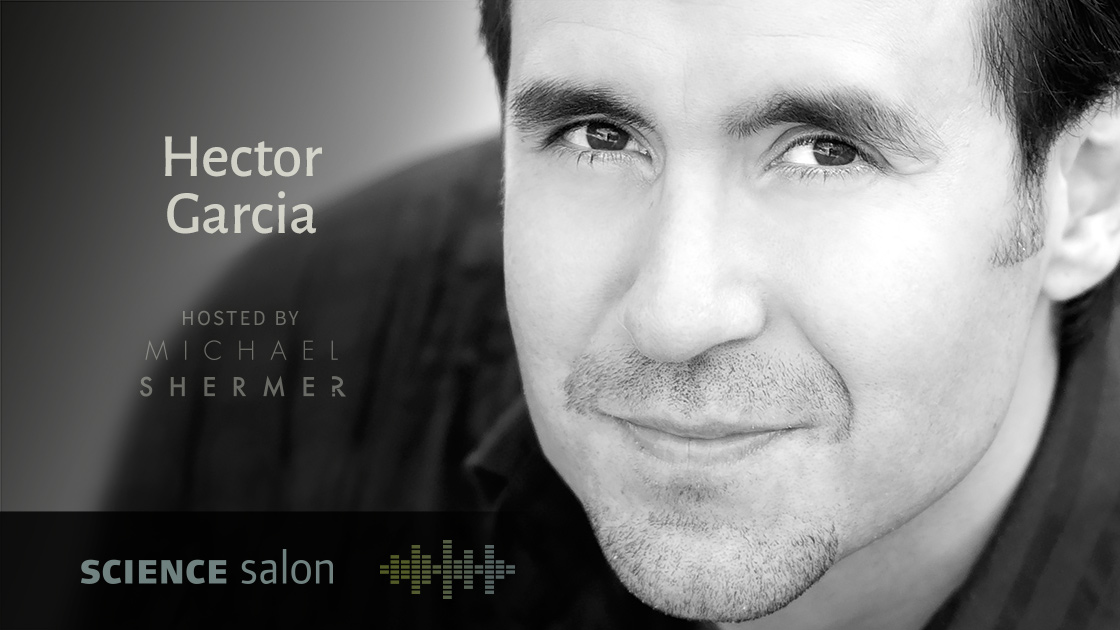
Dr. Hector A. Garcia — Sex, Power, and Partisanship: How Evolutionary Science Makes Sense of Our Political Divide

In Science Salon # 63, through the lens of evolutionary science, Dr. Hector A. Garcia offers a novel perspective on why we hold our political ideas, and why they are so often in conflict. Drawing on examples from across the animal kingdom, Garcia reveals how even the most complex political processes can be influenced by our basic drives to survive and reproduce.

PREVIOUS
 
NEXT
SKEPTIC • 3938 State St., Suite 101, Santa Barbara, CA, 93105-3114 • 1-805-576-9396 • Copyright © 1992–2024. All rights reserved • Privacy Policy