The Skeptics Society & Skeptic magazine

Dr. Charles S. Cockell — The Equations of Life: How Physics Shapes Evolution

Shermer and Cockell discuss: the origins of life on earth; the possibility of finding life on Mars and, if we did, would it have something like DNA, albeit with different base pairs?; Fermi’s paradox: if the laws of physics and evolution are so common throughout the universe, and there are so many earth-like planets in our galaxy alone (estimated to be in the billions), where is everyone?; humanity becoming an interplanetary species (possibly the first), and if so what type

Dr. Stephen T. Asma — Why We Need Religion

Professor of Philosophy Stephen Asma argues that there are many forms of human suffering and vulnerability that are beyond the reach of help from science. Like art, religion has direct access to our emotional lives in ways that science does not. Asma and Shermer discuss the relationship of science and religion, why people believe in God, atheism vs. agnosticism, the “new atheists”, humanism and the need for social and spiritual community, and other hot topics.

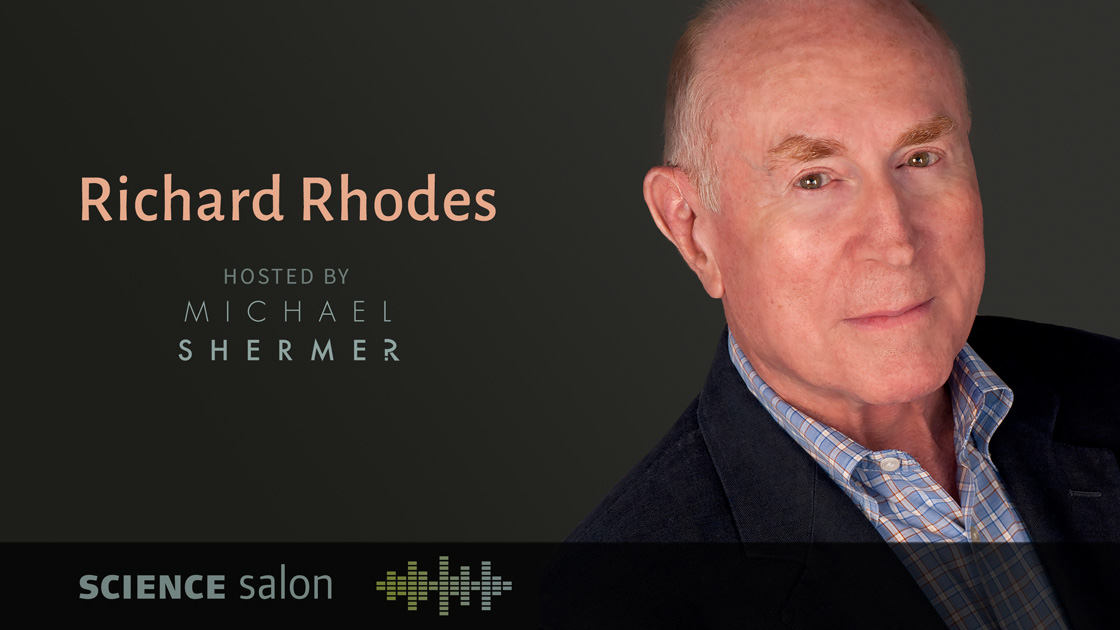
Richard Rhodes — Energy: A Human History

Shermer speaks with Pulitzer Prize-winning author Richard Rhodes about: nuclear weapons, North Korea, Iran, and Russia, the psychology of Mutual Assured Destruction (MAD), human violence and its causes, the “Bullet Holocaust” (the millions of Jews and others shot to death in Eastern Europe before the death camps ramped up their killing by gas), how people become serial killers (the socialization of violence), and the fascinating history behind energy transitions over time.

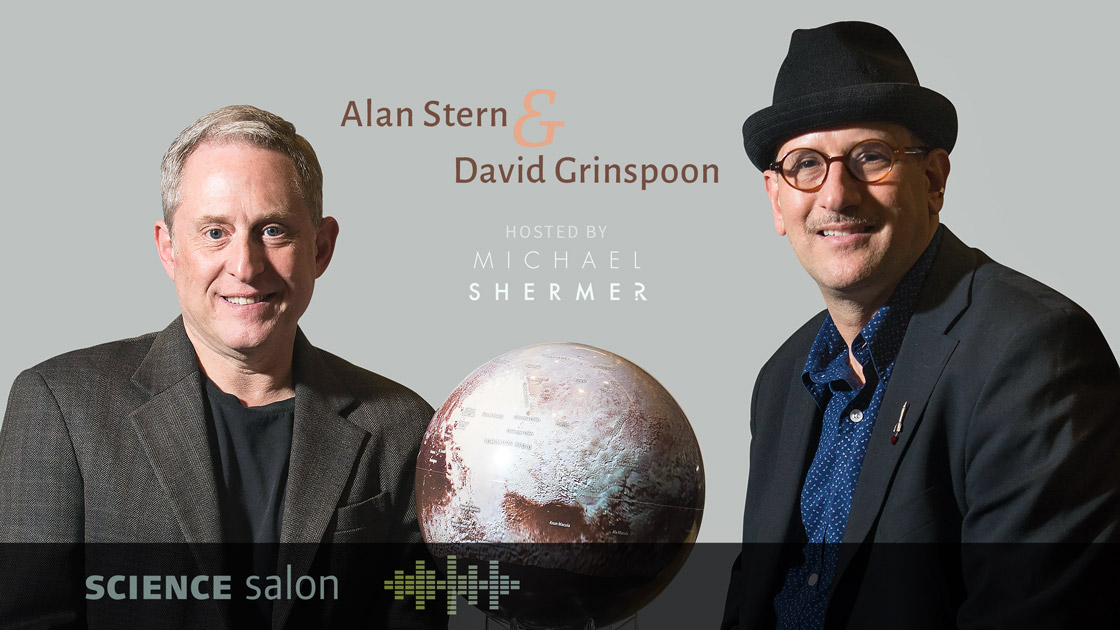
Dr. Alan Stern & Dr. David Grinspoon — Chasing New Horizons: Inside the Epic First Mission to Pluto

Dr. Alan Stern and co-author Dr. David Grinspoon recount the story of the men and women behind NASA’s first mission to Pluto: of their decades-long commitment and persistence; of the political fights within and outside of NASA; of the sheer human ingenuity it took to design, build, and fly the mission; and of the plans for New Horizons’ next encounter, 1 billion miles past Pluto in 2019. This is a riveting account of scientific discovery, and of how much we

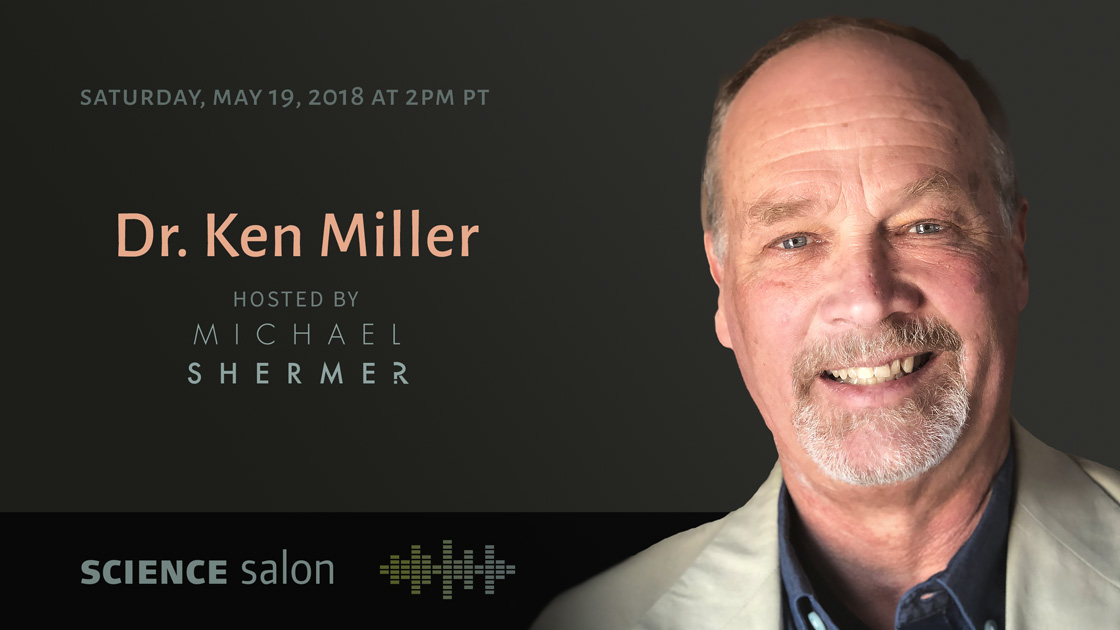
Dr. Kenneth R. Miller — The Human Instinct: How We Evolved to Have Reason, Consciousness, and Free Will

Dr. Miller presents a radical, optimistic exploration of how humans evolved to develop reason, consciousness, and free will, contra scientists such as Richard Dawkins and Sam Harris who tell us that our most intimate actions, thoughts, and values are mere byproducts of thousands of generations of mindless adaptation.

Dr. Gregory Berns — What It’s Like to Be a Dog … and Other Adventures in Animal Neuroscience

Shermer speaks with Dr. Gregory Berns, Distinguished Professor of Neuroeconomics and Director of the Center for Neuropolicy and Facility for Education and Research in Neuroscience. Berns is famous for his use of fMRI to study canine cognitive function in awake, unrestrained dogs with the goal to non-invasively map the perceptual and decision systems of the dog’s brain and to predict likelihood of success in service dogs.

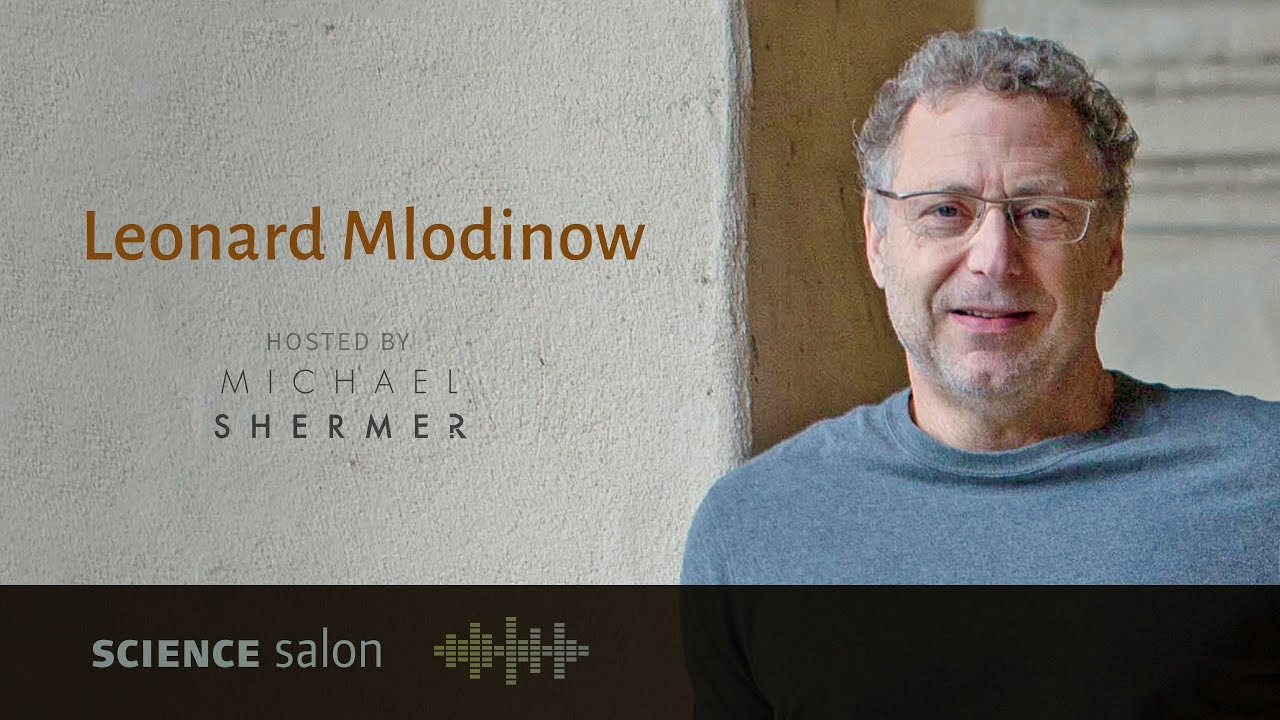
Dr. Leonard Mlodinow — Elastic: Flexible Thinking in a Time of Change

Out of the exploratory instincts that allowed our ancestors to prosper hundreds of thousands of years ago, humans developed a cognitive style that Leonard Mlodinow terms elastic thinking, a collection of traits and abilities that include neophilia (an affinity for novelty), schizotypy (a tendency toward unusual perception), imagination and idea generation, pattern recognition, mental fluency, divergent thinking, and integrative thinking.

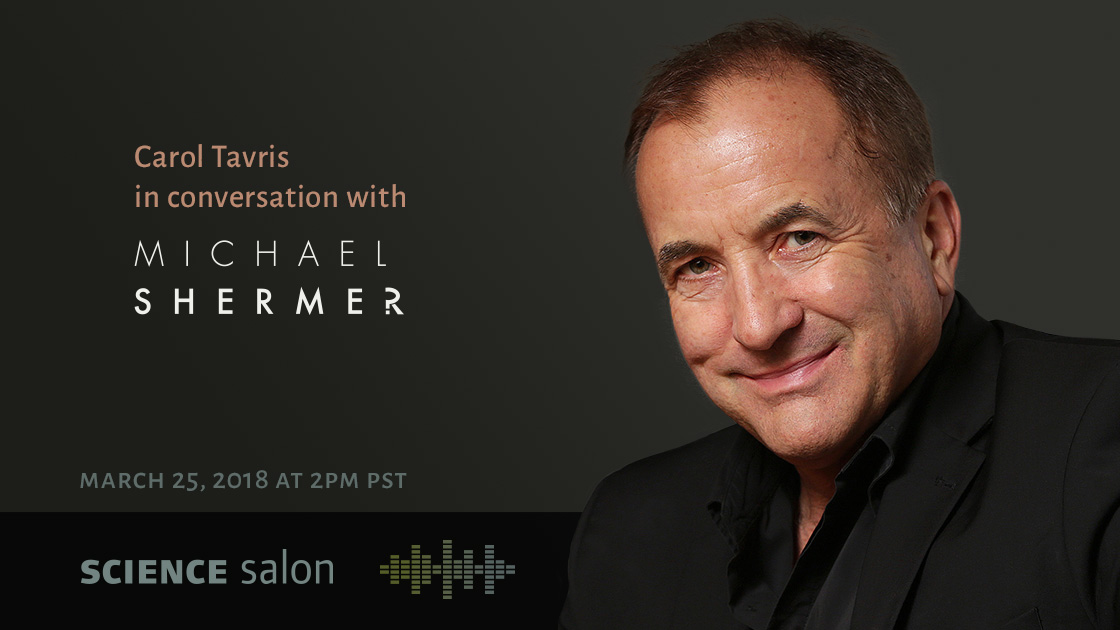
Dr. Carol Tavris talks with Dr. Michael Shermer about his new book Heavens on Earth: The Scientific Search for the Afterlife, Immortality, and Utopia

In his most ambitious work yet—a scientific exploration into humanity’s obsession with the afterlife and quest for immortality—bestselling author and skeptic, Michael Shermer, sets out to discover what drives humans’ belief in life after death, focusing on recent scientific attempts to achieve immortality along with utopian attempts to create heaven on earth.

Bill Nye the Science Guy Saves the World on Netflix

Michael Shermer interviews Bill Nye the Science Guy about his new Netflix series “Bill Nye Saves the World,” which aired Friday, April 21, 2017.

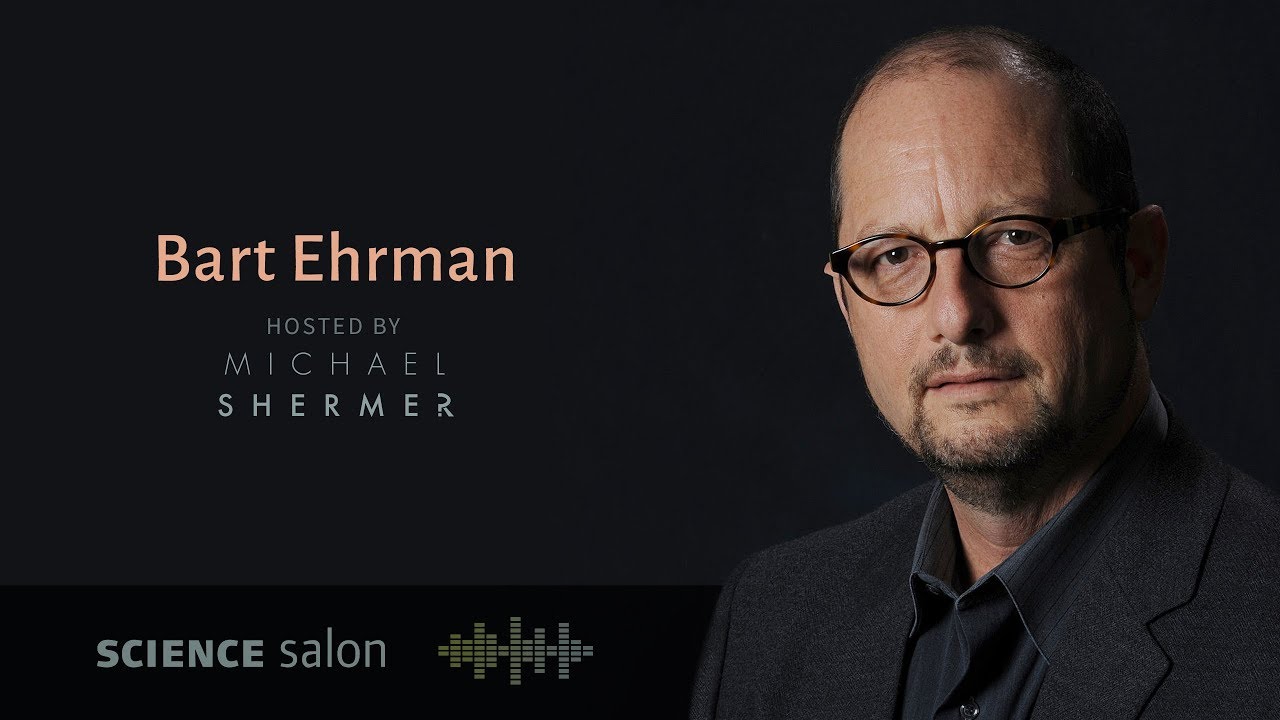
Dr. Bart Ehrman — How a Forbidden Religion (Christianity) Swept the World

How did a tiny sect of just 20 people at the time of Jesus’ crucifixion in 30 CE became 25 to 35 million Christians by 400 CE? In this remote Science Salon Dr. Shermer converses with the great bible scholar and historian Dr. Bart D. Ehrman, the Distinguished Professor of Religious Studies at the University of North Carolina at Chapel Hill.

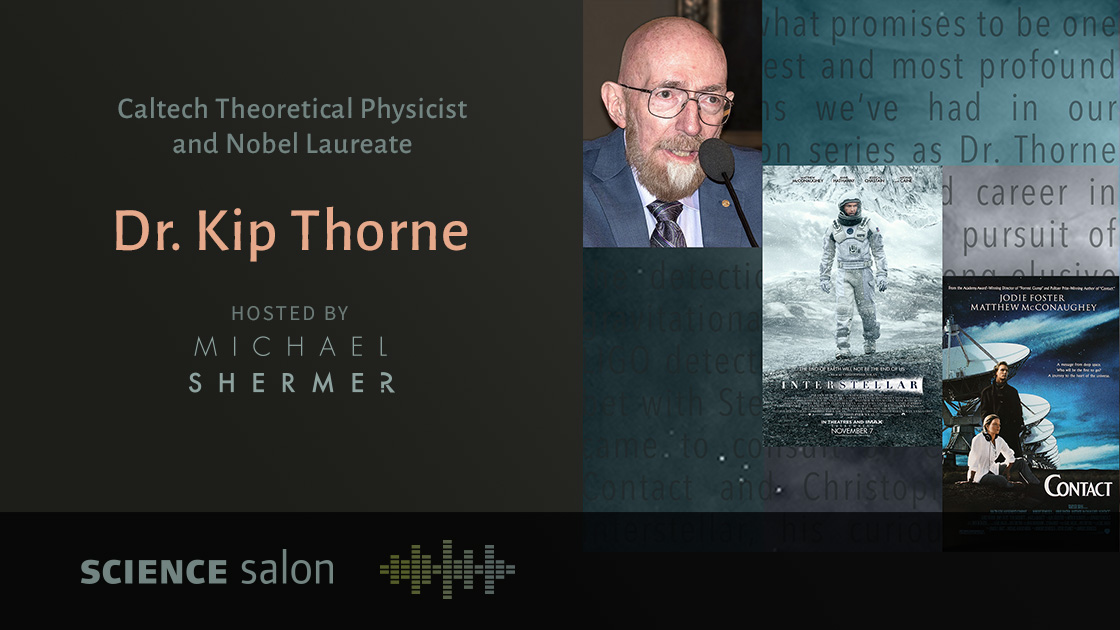
Dr. Kip Thorne — Gravitational Waves, Black Holes, Time Travel, and Hollywood

Nobel Prize winner Dr. Kip Thorne will reflect on his life and career in theoretical physics, his work on gravitational waves, black holes, wormholes, and time travel, his relationship and bet with Stephen Hawking, and how he came to consult on Carl Sagan’s Contact and Christopher Nolan’s Interstellar.

Dr. Robert Trivers — Evolutionary Theory & Human Nature

Dr. Robert Trivers and Dr. Michael Shermer have a lively conversation on everything from evolutionary theory and human nature to how to win a knife fight and Trivers’ membership in the Black Panthers. Don’t miss this engaging exchange with one of the most interesting scientists of the past half century.

Donald Prothero & Timothy Callahan — UFOs, Chemtrails, and Aliens: What Science Says

UFOs. Aliens. Strange crop circles. Giant figures scratched in the desert surface along the coast of Peru. The amazing alignment of the pyramids. Strange lines of clouds in the sky. The paranormal is alive and well in the American cultural landscape. In UFOs, Chemtrails, and Aliens, Don Prothero and Tim Callahan explore why such demonstrably false beliefs thrive despite decades of education and scientific debunking.

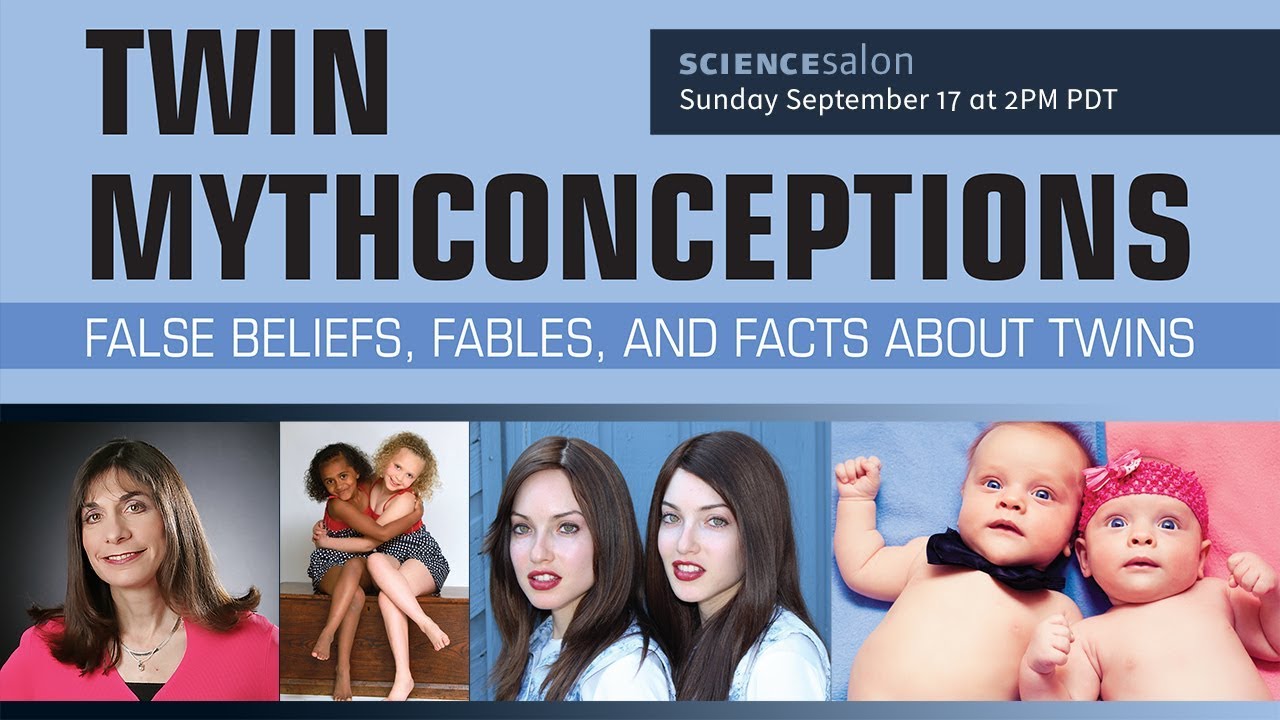
Dr. Nancy Segal — Twin Mythconceptions: False Beliefs, Fables, and Facts about Twins

Dr. Nancy Segal, the world’s leading expert on twins, has a new book that sheds light on over 70 commonly held ideas and beliefs about the origins and development of identical and fraternal twins. Using the latest scientific findings from psychology, psychiatry, biology, and education, Dr. Segal separates fact from fiction.

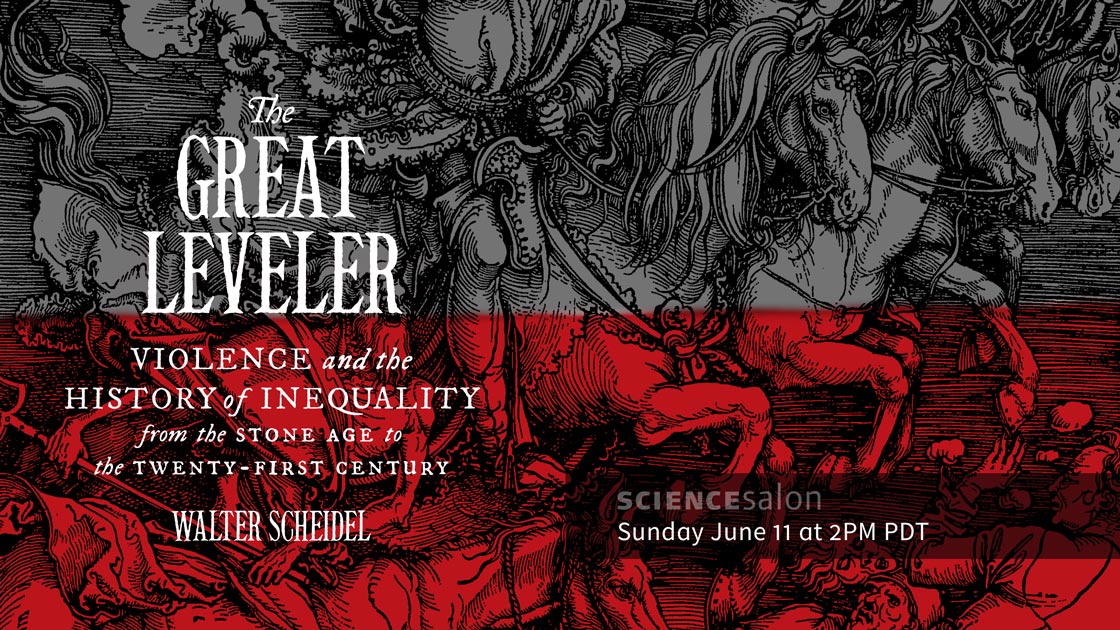
Dr. Walter Scheidel — The Great Leveler: Violence and the History of Inequality from the Stone Age to the 21st Century

Are mass violence and catastrophes the only forces that can seriously decrease economic inequality? To judge by thousands of years of history, the answer is yes. Tracing the global history of inequality from the Stone Age to today, the Stanford University historian Walter Scheidel shows that inequality never dies peacefully. Inequality declines when carnage and disaster strike and increases when peace and stability return.

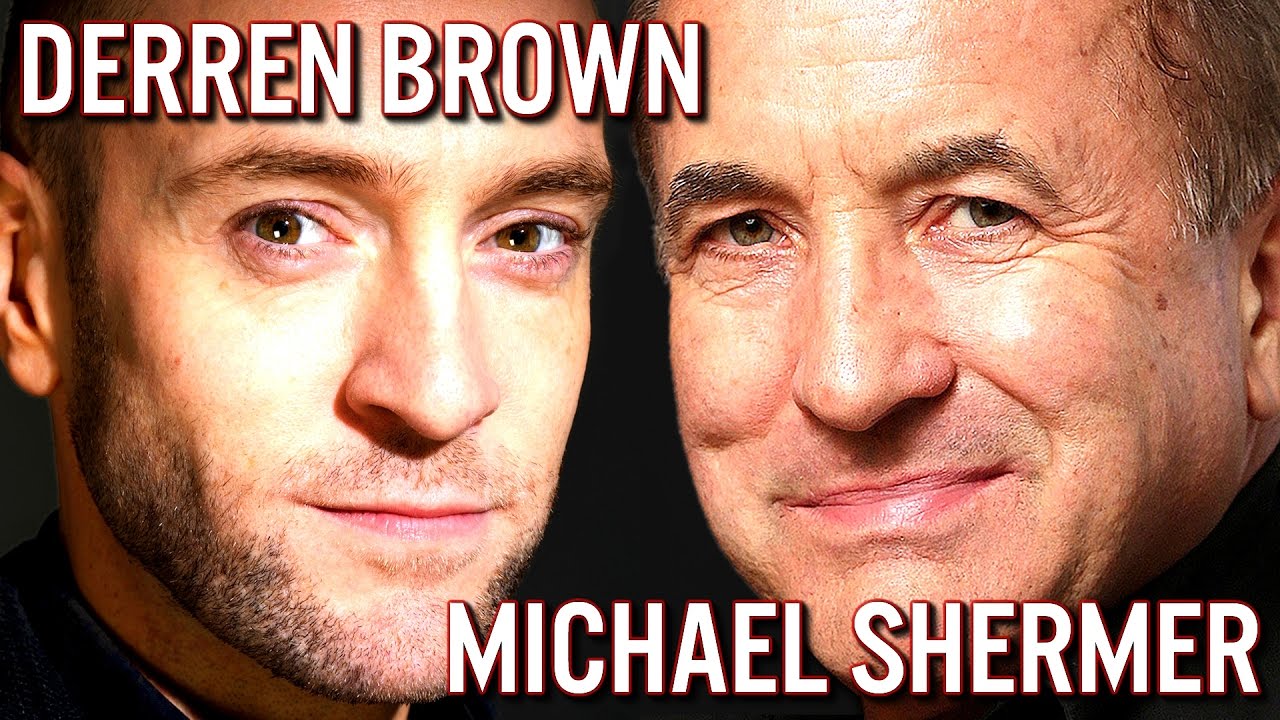
Derren Brown and Michael Shermer

Derren Brown — Magic, Happiness, and Skepticism

Derren Brown: Mind Control received immediate success after the TV show aired in 2000. His specials include Russian Roulette, Seance, The Heist, Hero at 30,000 Feet, How to Predict the Lottery, and Apocalypse. His live shows Something Wicked This Way Comes and Svengali have won him two Olivier Awards. He garnered the 2012 BAFTA for Best Entertainment for The Experiments.

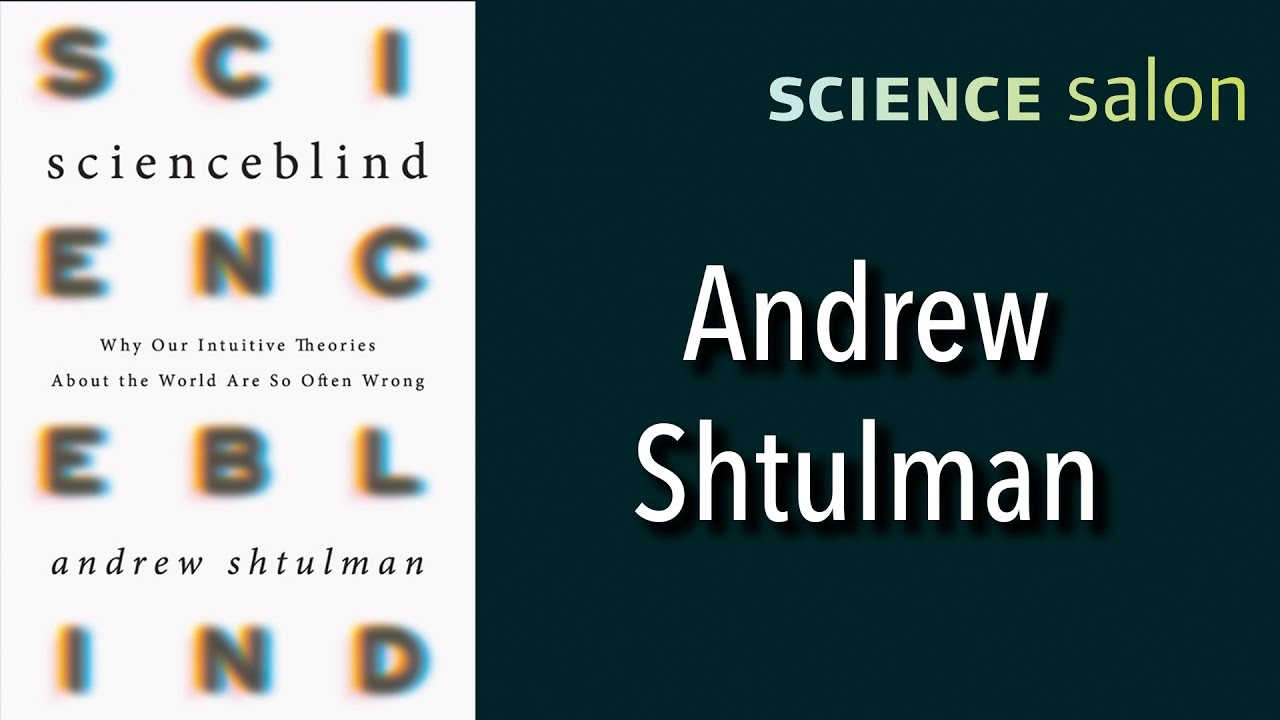
Dr. Andrew Shtulman — Scienceblind: Why Our Intuitive Theories About the World Are So Often Wrong

Why do we catch colds? What causes seasons to change? And if you fire a bullet from a gun and drop one from your hand, which bullet hits the ground first? In a pinch why do we almost always get these questions wrong?

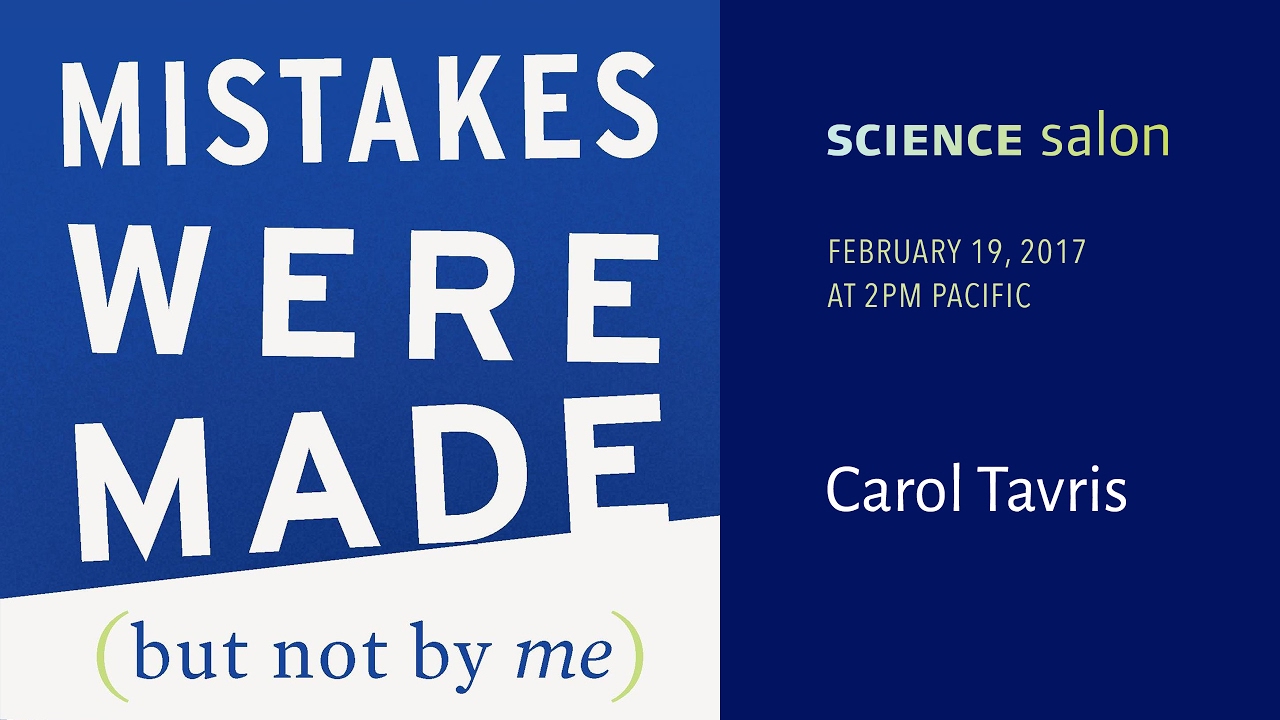
Dr. Carol Tavris — Mistakes Were Made (But Not by Me)

Why is it so hard to say “I made a mistake”—and really believe it? Social psychologist Dr. Carol Tavris, one of the most influential thinkers and writers of our time, explores in dialogue with Michael Shermer cognitive dissonance and what happens when we make mistakes, cling to outdated attitudes, or mistreat other people—we must calm the cognitive dissonance that jars our feelings of self-worth.

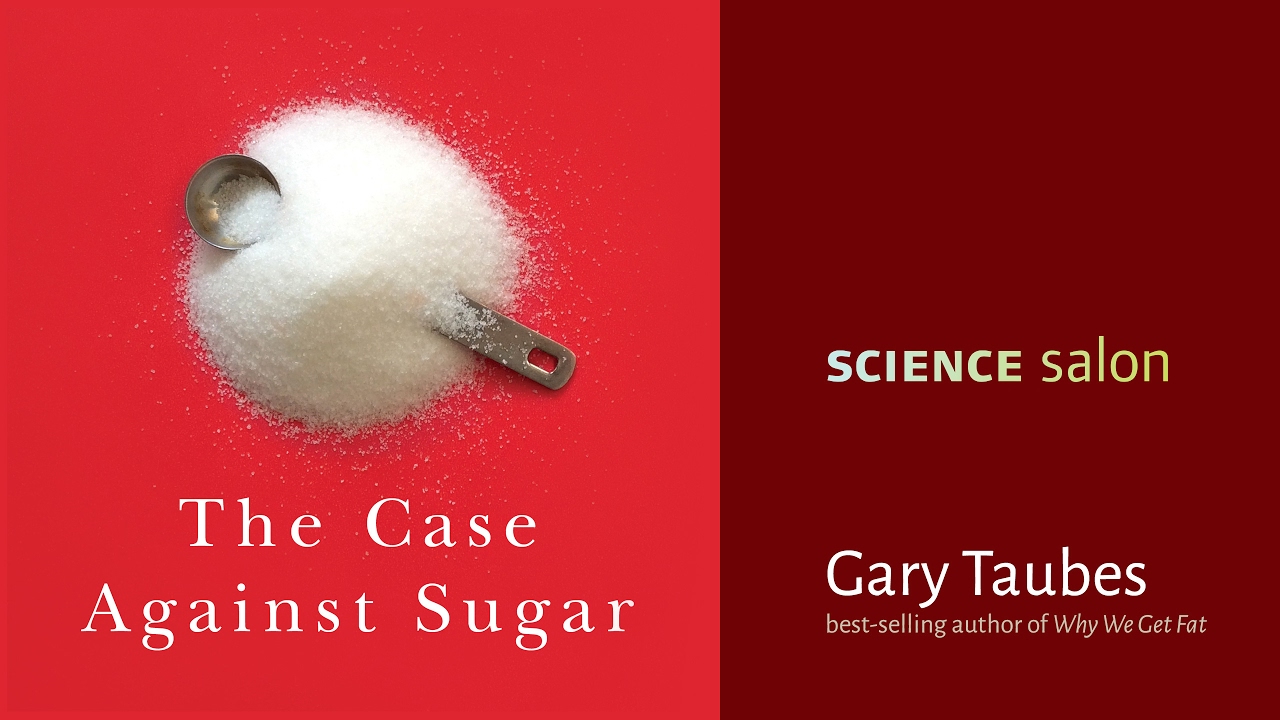
Gary Taubes — The Case Against Sugar

Gary Taubes delves into Americans’ history with sugar: its uses as a preservative, as an additive in cigarettes, the contemporary overuse of high-fructose corn syrup. He explains what research has shown about our addiction to sweets. He clarifies the arguments against sugar, corrects misconceptions about the relationship between sugar and weight loss; and provides the perspective necessary to make informed decisions about sugar as individuals and as a society.

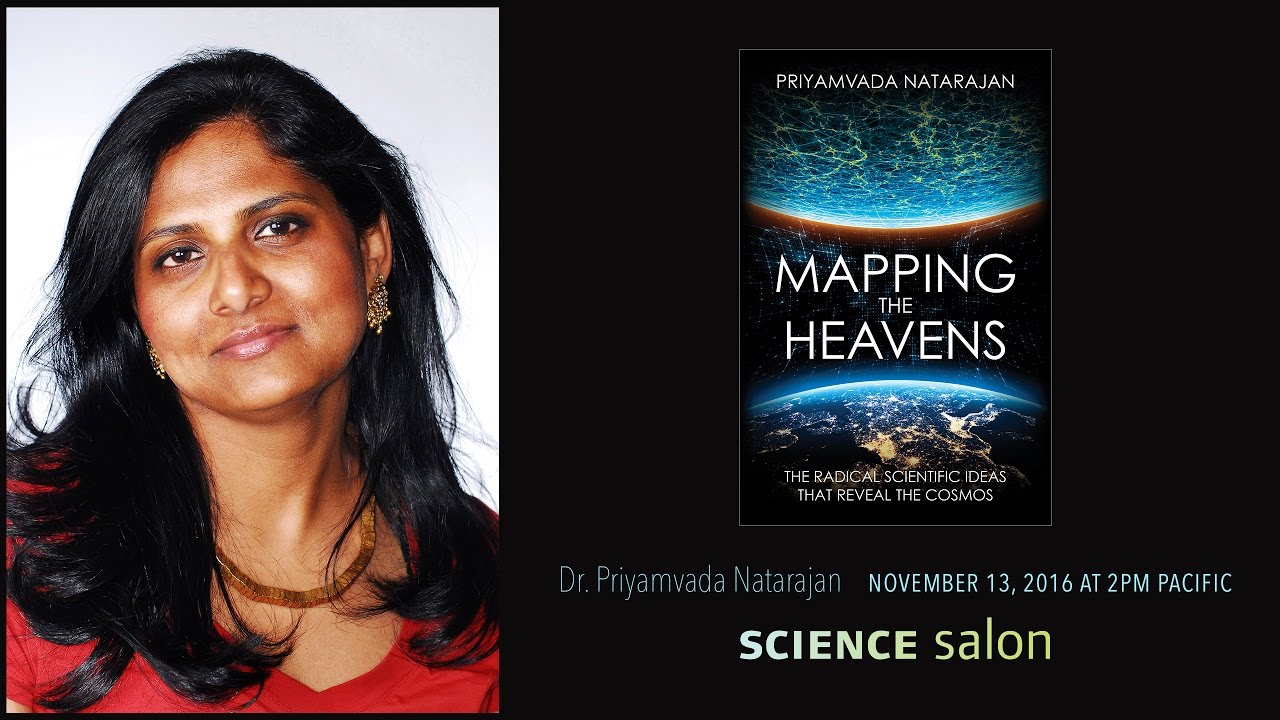
Dr. Priyamvada Natarajan — Mapping the Heavens: The Radical Scientific Ideas That Reveal The Cosmos

In this lecture based on her new book, Yale University cosmologist and theoretical astrophysicist specializing in dark matter, dark energy, and black holes, Dr. Priyamvada Natarajan, discusses some of greatest cosmological discoveries and ideas that have reshaped our universe over the past century.

PREVIOUS
 
NEXT
SKEPTIC • 3938 State St., Suite 101, Santa Barbara, CA, 93105-3114 • 1-805-576-9396 • Copyright © 1992–2024. All rights reserved • Privacy Policy