The Skeptics Society & Skeptic magazine

There is Only Entropy: Unifying the Narrative of Science

Chris Edwards | February 21, 2023

Entropy keeps the arrow of time moving; today is less ordered than yesterday, and this is certain. If we extrapolate this concept backwards, through our scientific narrative to the origins of the universe, then we must postdict a universe that was once ordered only through its lack of movement, which means it was frozen. But even then, as Galileo once said of the Earth, eppur si muove, but it does move. And if it moves, it creates heat, and understanding


Look! Up in the Sky… Chinese Balloon Scare Rekindles Memories of Similar Panics and Feeds Excitement About Aliens

Robert E. Bartholomew | February 15, 2023

A string of mysterious balloon sightings generates fear and excitement as thousands of anxious residents scan the skies to glimpse floating objects that are believed to emanate from a hostile foreign power. The Chinese spy balloon scare of 2023? No, the balloon panic of 1892 in Russian-occupied Poland. In this analysis of the history of balloon sightings Robert Bartholomew puts the Chinese spy balloon incident into perspective and shows why more such sightings are expected.

Sex — Are We Doing It Right Yet? Reflections on the Ever-Evolving Sexual Revolution

Carol Tavris | February 14, 2023

In recent years a number of books written by women in their 30s reflect on their sexual histories in their 20s in a regretful way, deciding that the type of feminism that liberated women to have sex like men — carefree and commitment-free with a variety of partners and with no consequences — is perhaps not the best strategy inasmuch as women and men differ in their sexual psychology. In this article psychologist Carol Tavris evaluates this claim and how

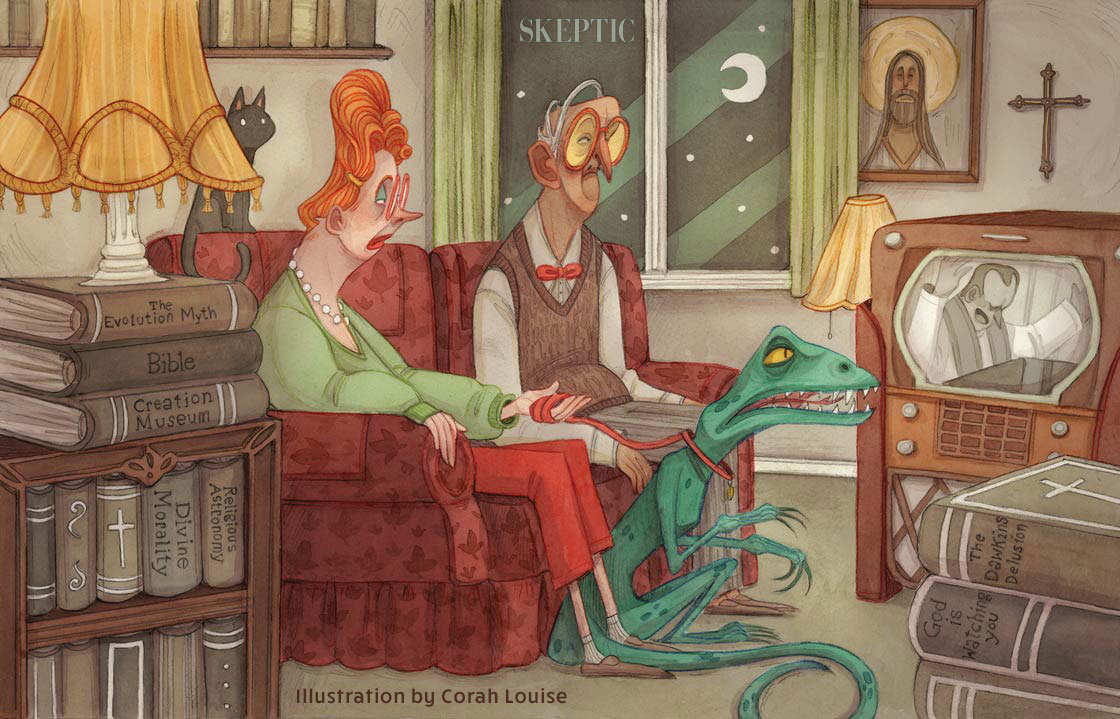
Paradoxes of Religion and Science in the USA

Jared Diamond, Carol Bakhos & Alex Joyce-Johnson | February 11, 2023

Science and religion present two paradoxes in the United States. On the one hand, the U.S. is the undisputed world leader in science. Yet, the U.S. is also the wealthy industrialized country with the most widespread skepticism about science, most notably regarding climate change, vaccines, and evolution. How can those two seemingly incompatible facts be reconciled? This article solves this paradox.

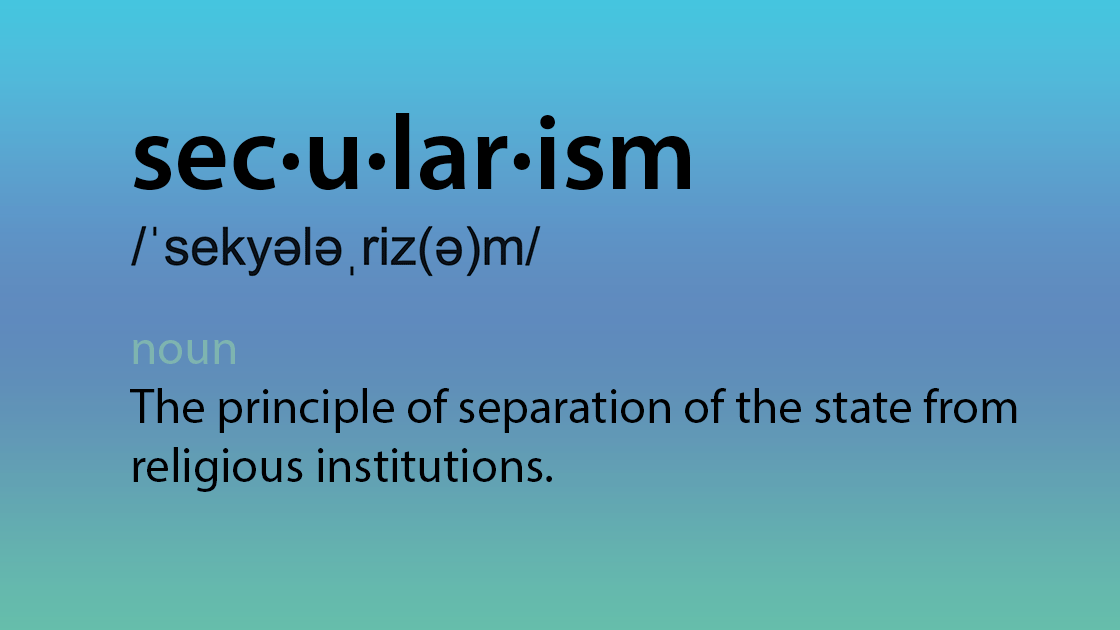
Why Nations Are Becoming More Secular

Phil Zuckerman | February 4, 2023

That the world in general and the United States in particular are becoming ever more secularized is no longer in dispute. The data are clear. The rise of the nones (no religious affiliation) is real. The hard question to answer is why. In this deep analysis of the many causal factors at work readers will learn about the long term trends that are likely to continue.

Redefining Personhood and Abortion Rights: The Path Forward in a Post-Roe World

Gary Whittenberger | February 3, 2023

When does life begin? It is the question at the core of the abortion debate, and is the focus of this article that makes the case that abortion should be legal at the very least in the first trimester and into the second trimester, based on the science behind when a fetus becomes a sentient being and thus, arguably, a legal person. Legally, it is persons who are protected by laws, not potential persons in the form of a small

Can’t These People Read?

Harriet Hall, M.D. | January 31, 2023

Dr. Harriet Hall shows how the failure to read medical and health literature carefully and critically leads to a number of cognitive problems, such as correlation is not causation, and personal anecdotes and testimonials don’t count as evidence. We will miss Dr. Hall’s wisdom and encourage readers to visit her website to read her many writings over the years on medical, health, diet, and related topics.

You’re Not That Big a Star: Using the Science of Crowd Estimation to Debunk Extraordinary Estimates of Mega-Concerts

John D. Van Dyke | January 28, 2023

When people estimate the size of large crowds—from presidents and their inaugural addresses to rock stars and their concert audiences—we know that there can be a lot of blue sky exaggeration in the numbers. But how do professionals estimate crowd sizes using the latest tools of science and mathematics? In this article John D. Van Dyke reveals the secrets to estimating how many people are gathered in any one space.

Illustration by Ástor Alexander

Cracking History: Chiropractic’s Secret Origin

J. Michael Menke | January 24, 2023

The origin of chiropractic medicine has long been under dispute, with most modern chiropractors denying that its purported founder, D.D. Palmer, copied osteopathy. Yet, the two schools of thought were nearly identical at their beginnings, and just a few hours apart by railway. Further, chiropractic was “discovered” the same year—1895—that the first class of the American School of Osteopathy (ASO) was graduated. Chiropractors dismiss the sudden emergence of chiropractic so near in time and space to the ASO as a

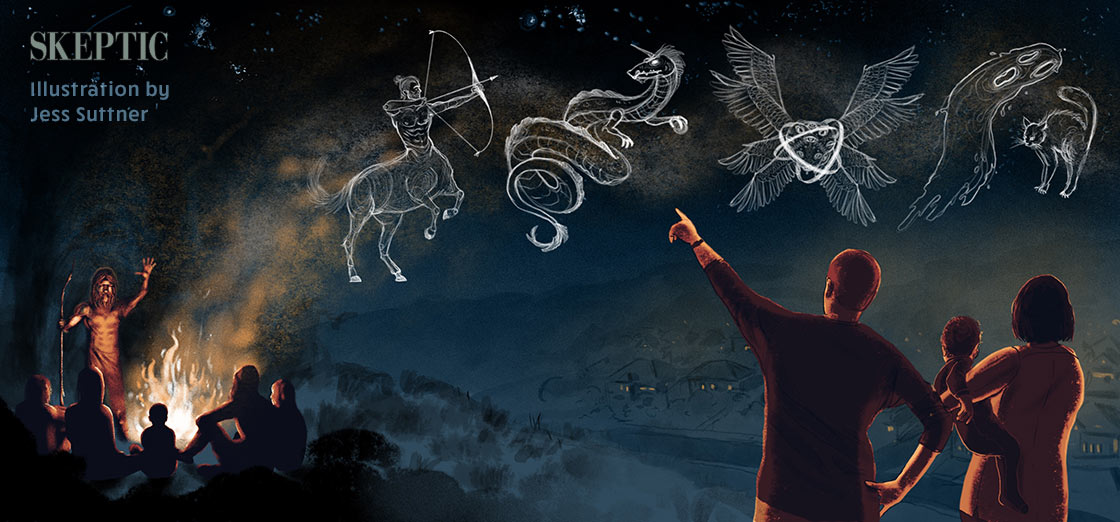
Persistent Belief: The Relative Implausibility of Certainty

Richard Randall | January 21, 2023

Long before science came of age in the Scientific Revolution of the 16th and 17th centuries, religion had been struggling to make sense of the world for millennia. Sometimes they got it right, but mostly they had no idea how the world works and had no systematic method to determine as much. This article explores the relationship between science and religion in terms of what was known back then and what is known now.

Wisdom of the SkepDoc: Harriet Hall, MD (1945–2023)

Michael Shermer | January 18, 2023

All of us at Skeptic magazine—along with those in the larger skeptical and scientific communities—are sad to announce the passing of Harriet Hall, M.D., widely known as the SkepDoc. Michael Shermer always looked forward to editing Harriet’s SkepDoc column, not only because she was such a lucid writer and critical thinker, but because he learned so much from her…

Testing Determinism

Gary J. Whittenberger |

The philosophical problem of free will and determinism—how can humans have any sort of volition in a world determined by the laws of nature?—has troubled thinkers since the time of the ancient Greeks, and here in the 21st century there is still no consensus among thinkers on a solution to the problem. Can science help? Is there some way to test determinism? There is, says Gary Whittenberger, in this evocative article in response to a debate in the pages of

Poking Holes in Needle-Spiking: Nightclub “Attacks” Scare Sweeps Europe

Robert Bartholomew & Paul Weatherhead | January 17, 2023

Mass hysterias, moral panics, and social contagions are known social psychological phenomena that can cause large numbers of people to believe things are happening to them that upon closer inspection become literally unbelievable. In this insightful analysis the authors—experts on the subject—show how the sudden spike in needle attacks is very likely one of these ephemeral phenomena.

News Media & Declining Race Relations:Social Narratives More Than Real-Life Events May Be Driving Decline in Race Relations

Chris Ferguson | January 7, 2023

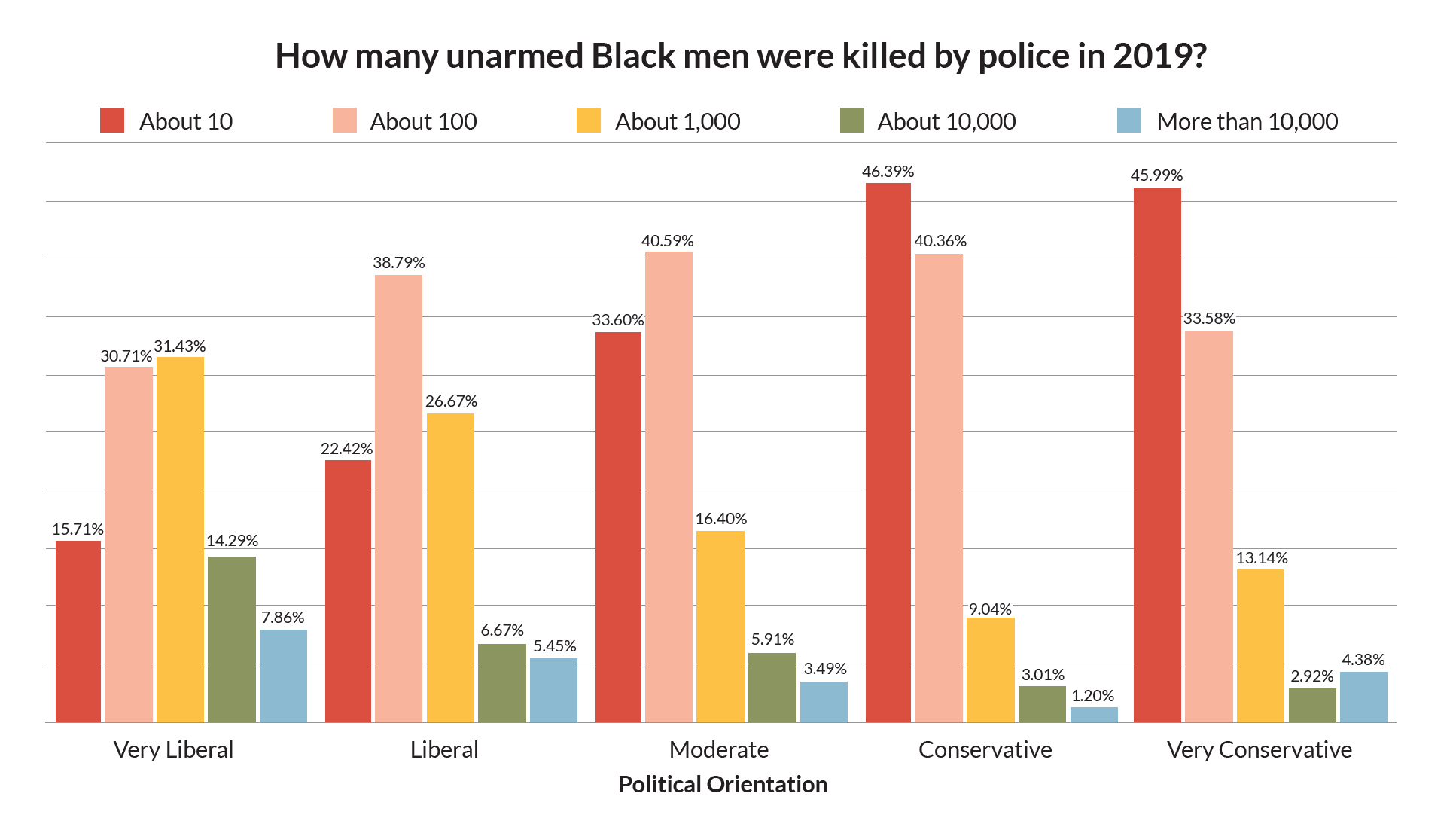
Everyone knows that race relations in America have a long and troubled history. By some measures race relations are very good, with polls showing that people are more tolerant of racial diversity today than they were decades ago. But by other measures it would seem race matters are more disconcerting than ever. In this analysis Chris Ferguson attributes the troubling events of recent years to the news media and how they create a social narrative driving the decline of race

What Darwin Got Wrong About the Female of (All) Species

Carol Tavris | December 28, 2022

According to the standard model of evolutionary psychology females tend to be sexually coy, discriminating, and risk averse while males are sexually assertive, indiscriminate, and risk taking. Not so fast, says Carol Tavris in this skeptical look at the standard model, as context and species also matters in how we analyze behavior, especially sexuality.

Abducted! Scientific Explanations of the Alien Abduction Experience

J. Randal Montgomery | December 27, 2022

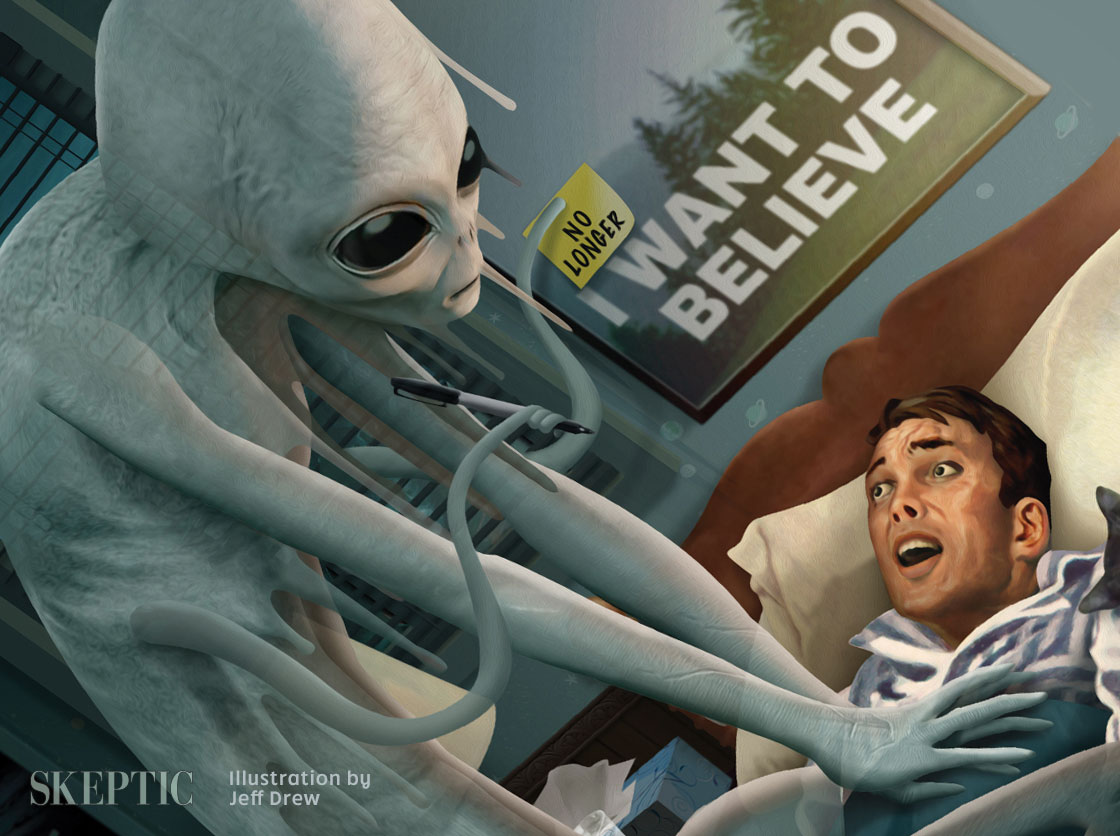
Alien abductions are among the most curious and interesting of all human psychological phenomena, and this article explores the different theories that explain from a scientific perspective what, exactly, is going on in someone’s brain when they feel like they’ve been abducted by aliens (assuming, of course, that they’re not actually being abducted by aliens).

Broadcasting Flapdoodle:Review of Radio Psychics: Mind Reading and Fortune Telling in American Broadcasting, 1920–1940 by John Benedict Buescher

Michelle Ainsworth | December 24, 2022

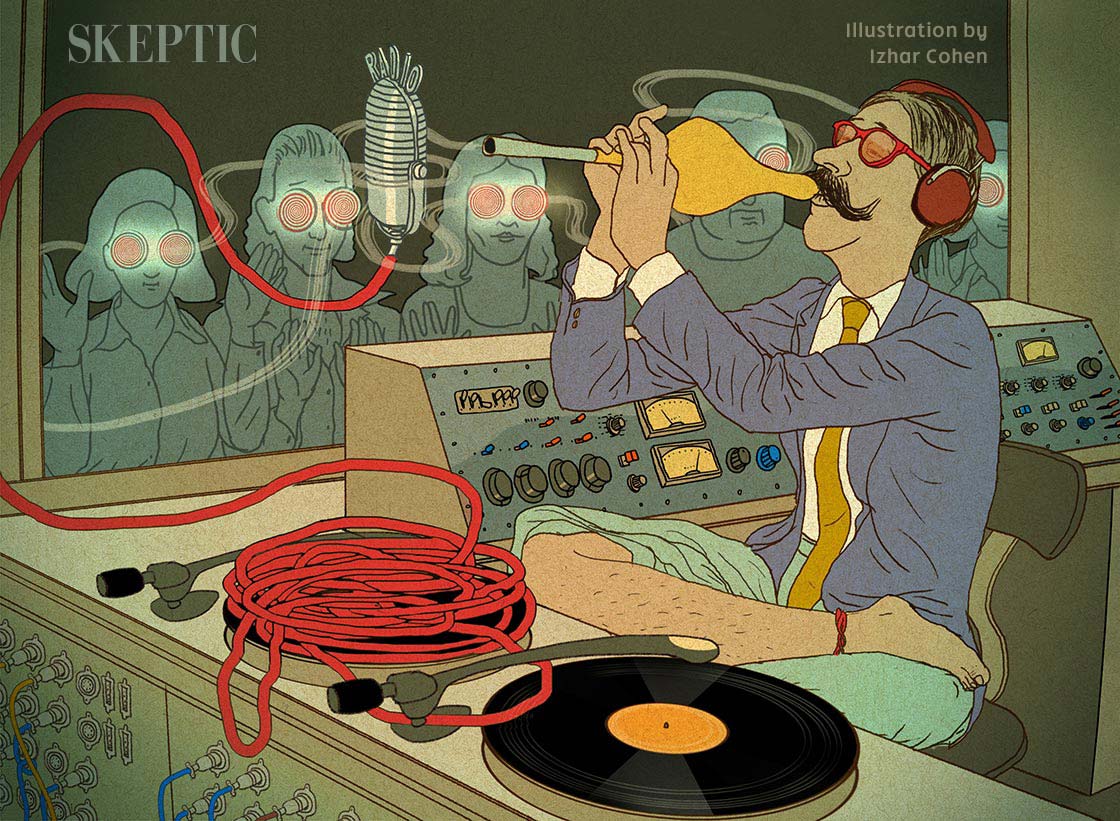
Most skeptics are familiar with modern psychics who pretend to read people’s minds and talk to dead people. In this review essay, Michelle Ainsworth discusses the many mind readers and fortune tellers between 1920 and 1940 who practiced their art of cold reading on the radio, fooling people then as they do today into believing that somehow the spirits were able to come through from the great beyond into radio stations.

Why Reparations and Equity Are Bad Ideas

Jason D. Hill | December 20, 2022

In this provocative article on the controversial topics reparations, and what is owed to the descendants of African Americans who were enslaved, Jason Hill argues that the Civil Rights movement and ensuing acts and laws in the 1960s and 1970s have already provided a type of reparations, and that more such reparations, particularly in the form of cash payments, are unnecessary, not to mention nearly impossible to determine who is owed what.

Systemic Racism — Explained

Mahzarin R. Banaji, Susan T. Fiske & Douglas S. Massey | December 13, 2022

As Skeptic Publisher Michael Shermer wrote in his Introduction to Skeptic magazine’s special issue on Race Matters (27.3), the issues outlined in this article documenting the continuation of systemically racist social structures—even as racist attitudes have improved dramatically over the past half century—mean that race still matters very much in the USA. It is thus incumbent on all of us to properly understand the causes of these issues so that we may implement a rational and science-based response to them.

Psicoterapia Salvaje: Métodos no probados y cuestionables de asesoramiento y tratamiento psicológico

Skeptic | December 8, 2022

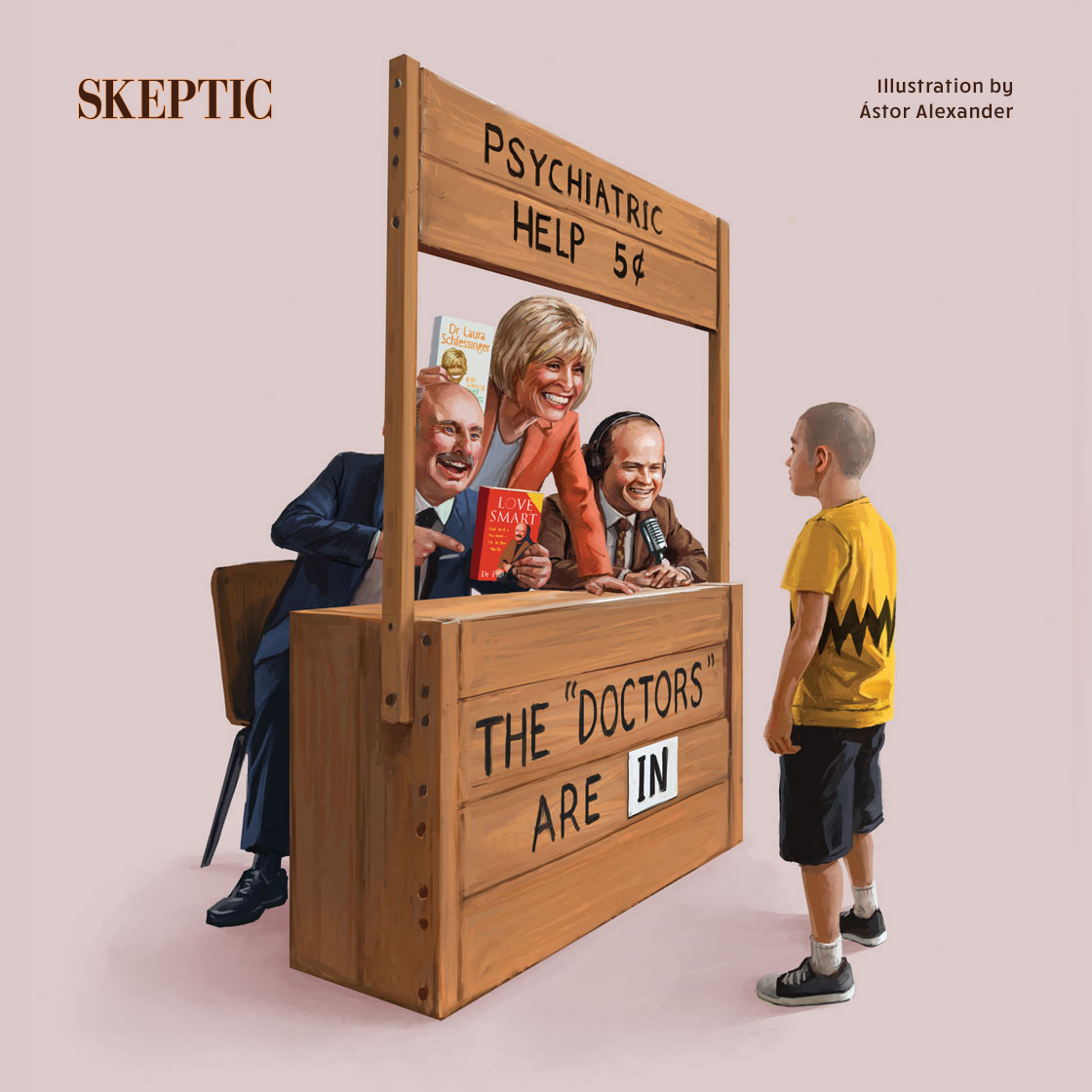
Lea este artículo en inglés. Read this article in English. Los psicólogos y científicos sociales con formación científica se han mostrado escépticos durante mucho tiempo con respecto a las técnicas de psicoterapia clínica porque dependen mucho de las anécdotas en lugar de los datos. En respuesta, los médicos con formación científica han desarrollado técnicas basadas en datos, como la Terapia Cognitiva Conductual. Pero estas nuevas técnicas no han llegado a psicólogos populares como Laura Schlessinger (Dr. Laura) y Phil McGraw

PREVIOUS
 
NEXT
SKEPTIC • 3938 State St., Suite 101, Santa Barbara, CA, 93105-3114 • 1-805-576-9396 • Copyright © 1992–2024. All rights reserved • Privacy Policy