The Skeptics Society & Skeptic magazine

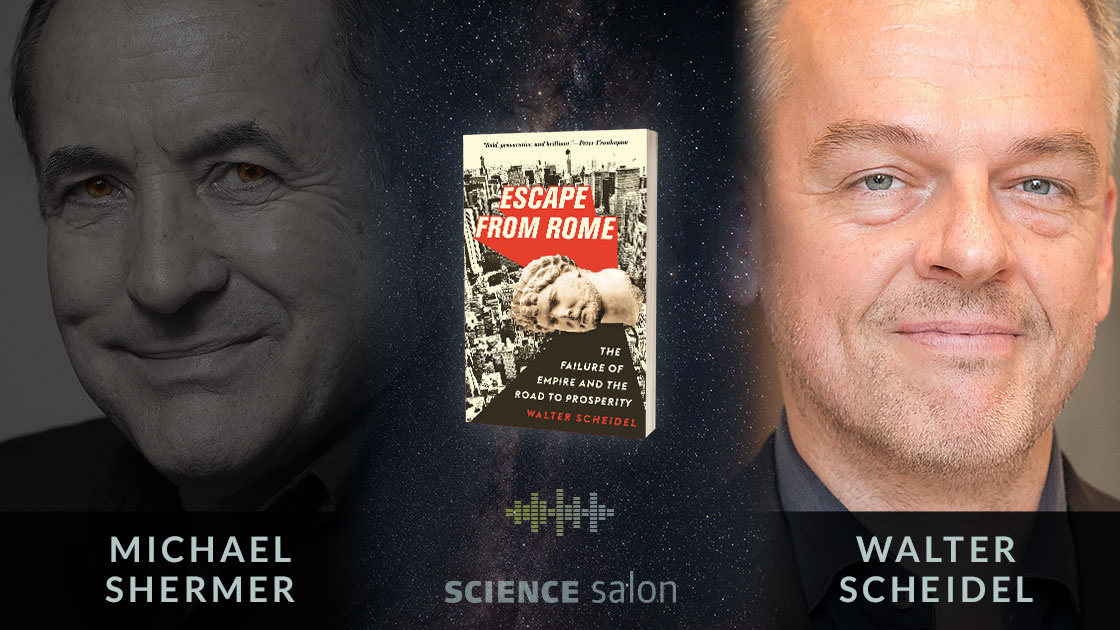
Walter Scheidel — Escape from Rome: The Failure of Empire and the Road to Prosperity

In Science Salon # 122 Michael Shermer speaks with Walter Scheidel as he recounts the gripping story of how the end of the Roman Empire was the beginning of the modern world.
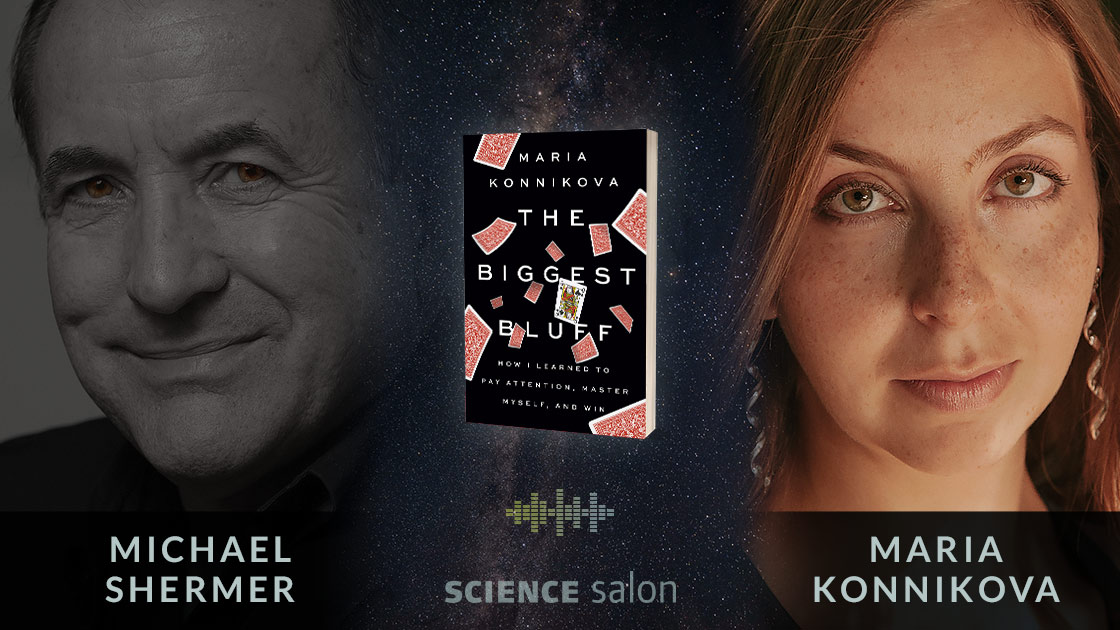
Maria Konnikova — The Biggest Bluff: How I Learned to Pay Attention, Master Myself, and Win

In Science Salon # 121 Michael Shermer speaks with Harvard Psychologist and high-stakes poker player Maria Konnikova about her book The Biggest Bluff: How I Learned to Pay Attention, Master Myself, and Win — the ultimate master class in learning to distinguish between what can be controlled and what can’t.

Andrew Rader — Beyond the Known: How Exploration Created the Modern World and Will Take Us to the Stars

For the first time in history, the human species has the technology to destroy itself. But having developed that power, humans are also able to leave Earth and voyage into the vastness of space. After millions of years of evolution, we’ve arrived at the point where we can settle other worlds and begin the process of becoming multi-planetary. How did we get here? What does the future hold for us?

Howard Bloom — Einstein, Michael Jackson, and Me: A Search for the Soul in the Power Pits of Rock and Roll

Howard Bloom — called “the greatest press agent that rock and roll has ever known” — is a science nerd who founded the biggest PR firm in the music industry and helped build or sustain the careers of rock-and-roll legends: Michael Jackson, Prince, Bob Marley, Bette Midler, Billy Joel, Billy Idol, Paul Simon, Peter Gabriel, David Byrne, AC/DC, Aerosmith, Queen, Kiss, Grandmaster Flash and the Furious Five, Run DMC, ZZ Top, Joan Jett, Chaka Khan, and one hundred more. What

Stuart Russell — Human Compatible: Artificial Intelligence and the Problem of Control

How can we ensure AI never have power over us? Stuart Russell says we can rebuild AI on a new foundation in which machines are designed to be inherently uncertain about the human preferences they are required to satisfy. Such machines would be humble, altruistic, and committed to pursue our objectives, not theirs. This new foundation would allow us to create machines that are provably deferential and provably beneficial.

Matt Ridley — How Innovation Works: and Why It Flourishes in Freedom

Innovation is the main event of the modern age, the reason we experience both dramatic improvements in our living standards and unsettling changes in our society. Matt Ridley argues that we need to think about innovation as an incremental, bottom-up, fortuitous process that happens to society as a direct result of the human habit of exchange, rather than an orderly, top-down process developing according to a plan.

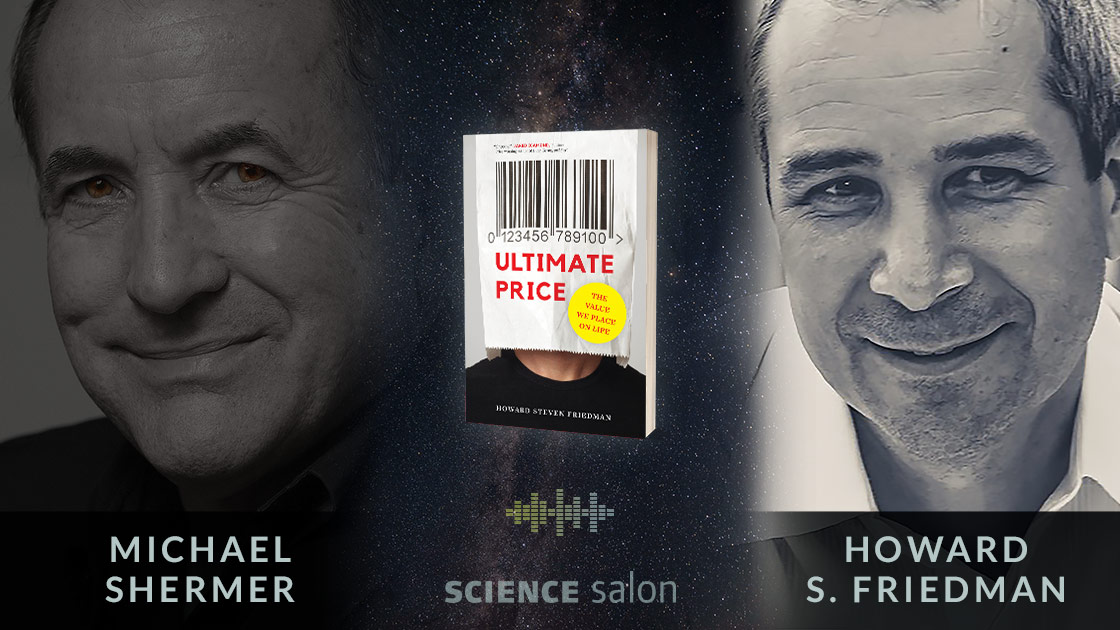
Howard Steven Friedman — Ultimate Price: The Value We Place on Life

How much is a human life worth? In Science Salon # 116, Michael Shermer speaks with Howard Steven Friedman about the calculations that governments routinely use to place a price on human life.

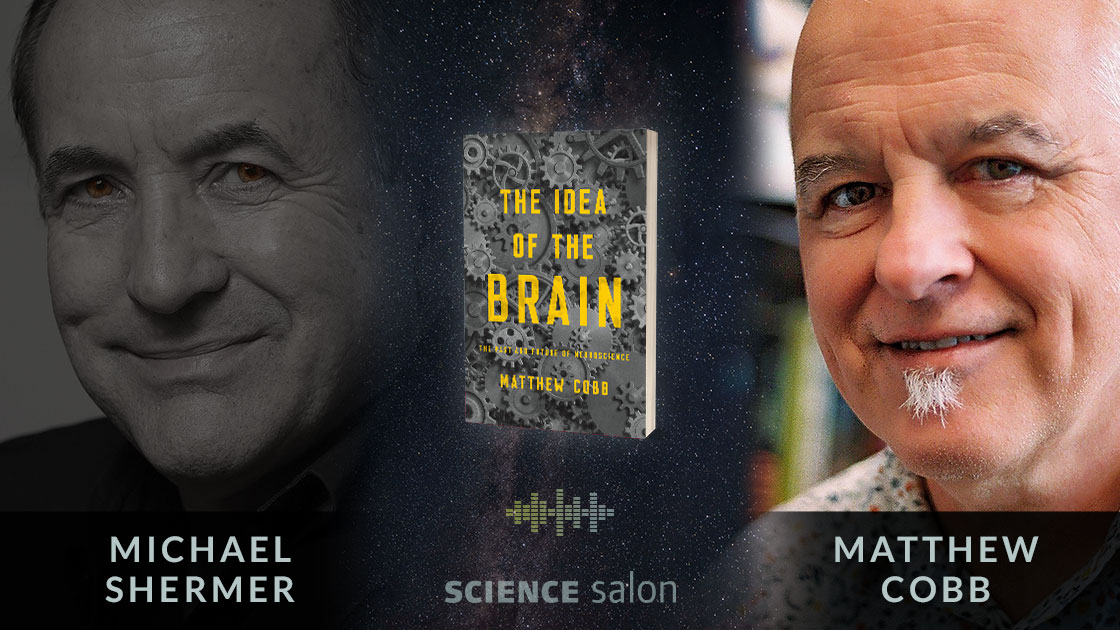
Matthew Cobb — The Idea of the Brain: The Past and Future of Neuroscience

In Science Salon # 115, Michael Shermer speaks with scientist and historian Matthew Cobb about his book The Idea of the Brain: The Past and Future of Neuroscience which traces how our conception of the brain has evolved over the centuries.

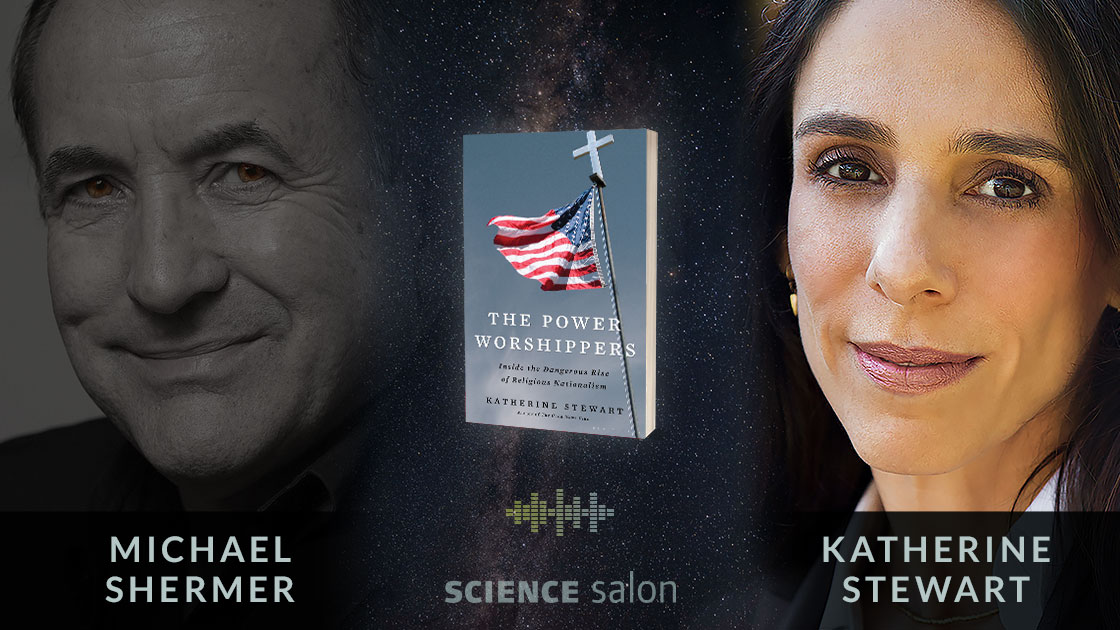
Katherine Stewart — The Power Worshippers: Inside the Dangerous Rise of Religious Nationalism

For too long the Religious Right has masqueraded as a social movement preoccupied with a number of cultural issues, such as abortion and same-sex marriage. But in her deeply reported investigation, Katherine Stewart reveals a disturbing truth: America’s Religious Right has evolved into a Christian nationalist movement. It seeks to gain political power and to impose its vision on all of society.

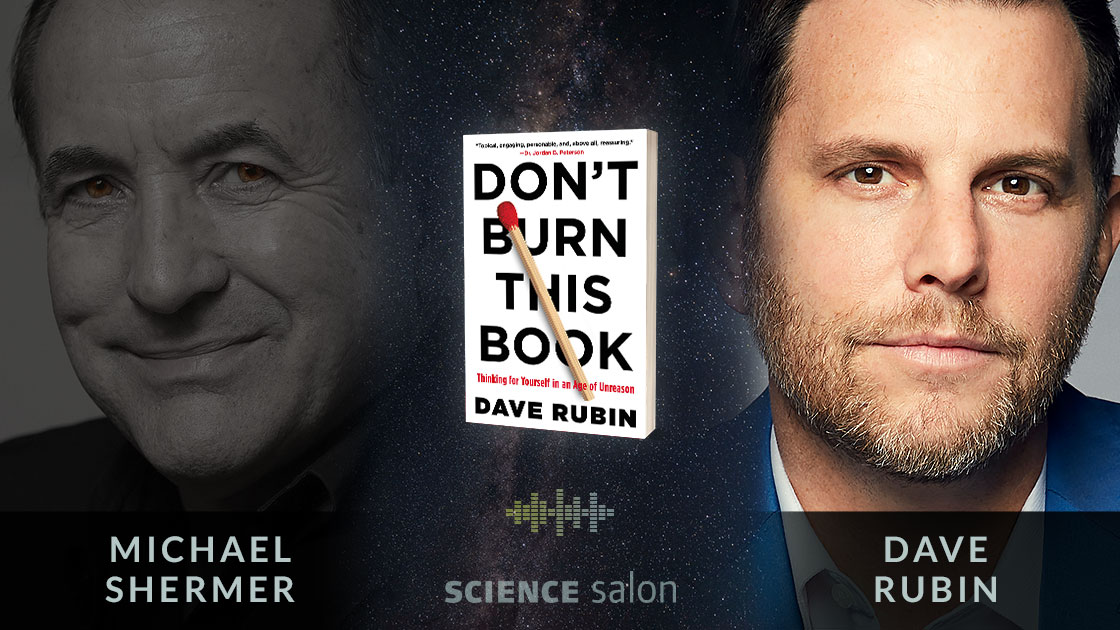
Dave Rubin — Don’t Burn This Book: Thinking for Yourself in an Age of Unreason

The left is no longer liberal. Once on the side of free speech and tolerance, progressives now ban speakers from college campuses, “cancel” people who aren’t up to date on the latest genders, and force religious people to violate their conscience. They have abandoned the battle of ideas and have begun fighting a battle of feelings. This uncomfortable truth has turned moderates and true liberals into the politically homeless class…

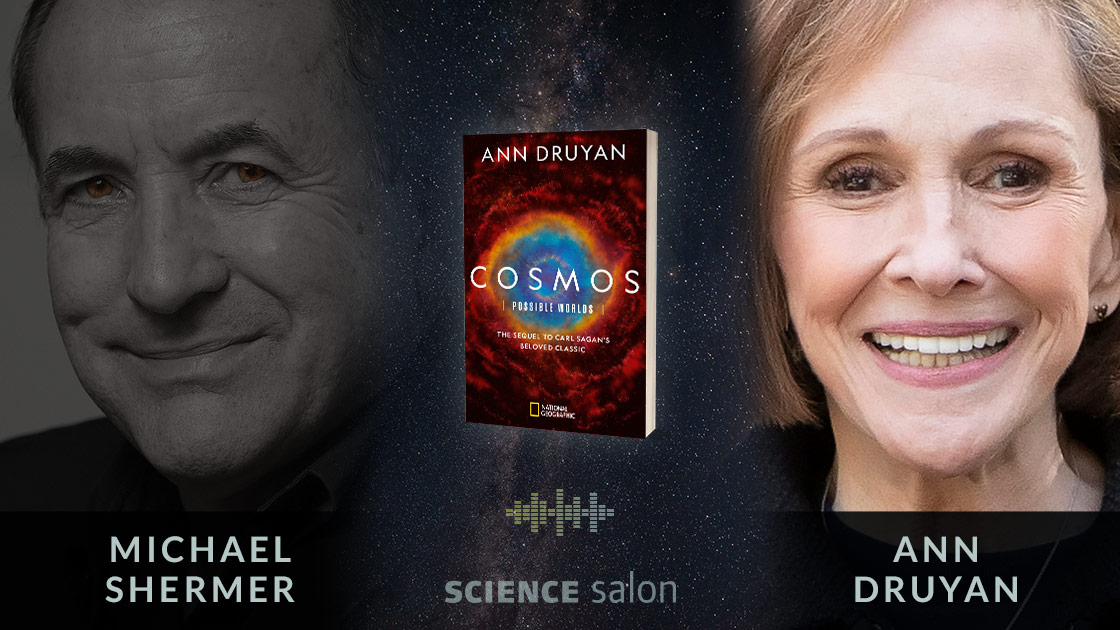
Ann Druyan — Cosmos: Possible Worlds

In this sequel to Carl Sagan’s beloved classic and the companion to the hit television series hosted by Neil deGrasse Tyson, the primary author of all the scripts for both this season and the previous season of Cosmos, Ann Druyan explores how science and civilization grew up together. From the emergence of life at deep-sea vents to solar-powered starships sailing through the galaxy, from the Big Bang to the intricacies of intelligence in many life forms…

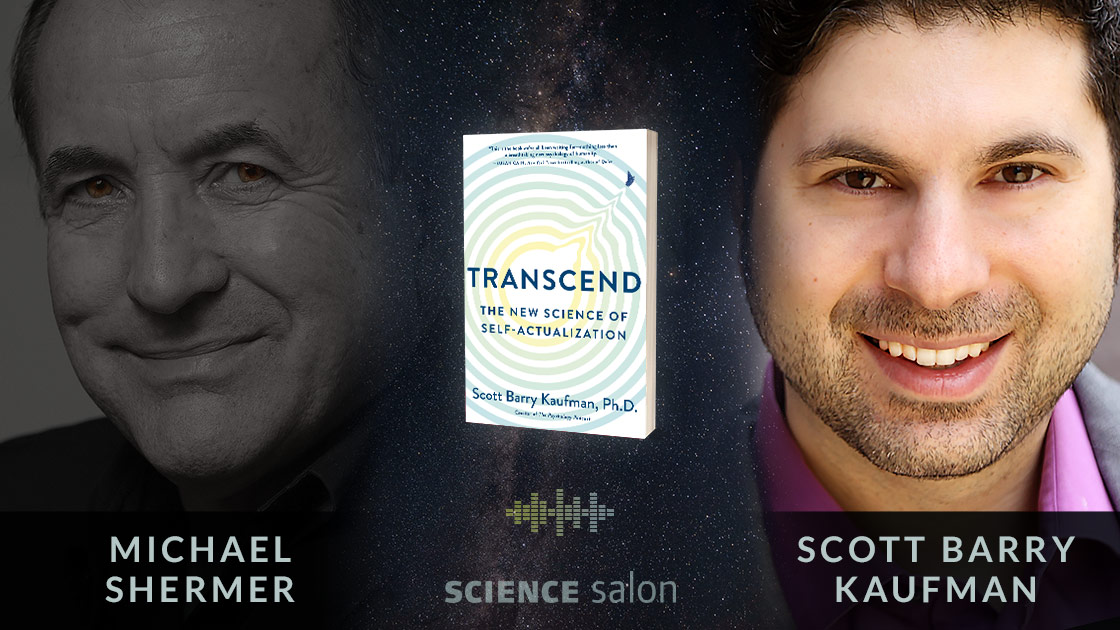
Scott Barry Kaufman — Transcend: The New Science of Self-Actualization

In Science Salon # 111 Michael Shermer speaks with psychologist Scott Barry Kaufman about his book Transcend: The New Science of Self-Actualization. Kaufman picks up where Abraham Maslow left off, unraveling the mysteries of his unfinished theory of transcendence, and integrating these ideas with the latest research on attachment, connection, creativity, love, purpose and other building blocks of a life well lived.

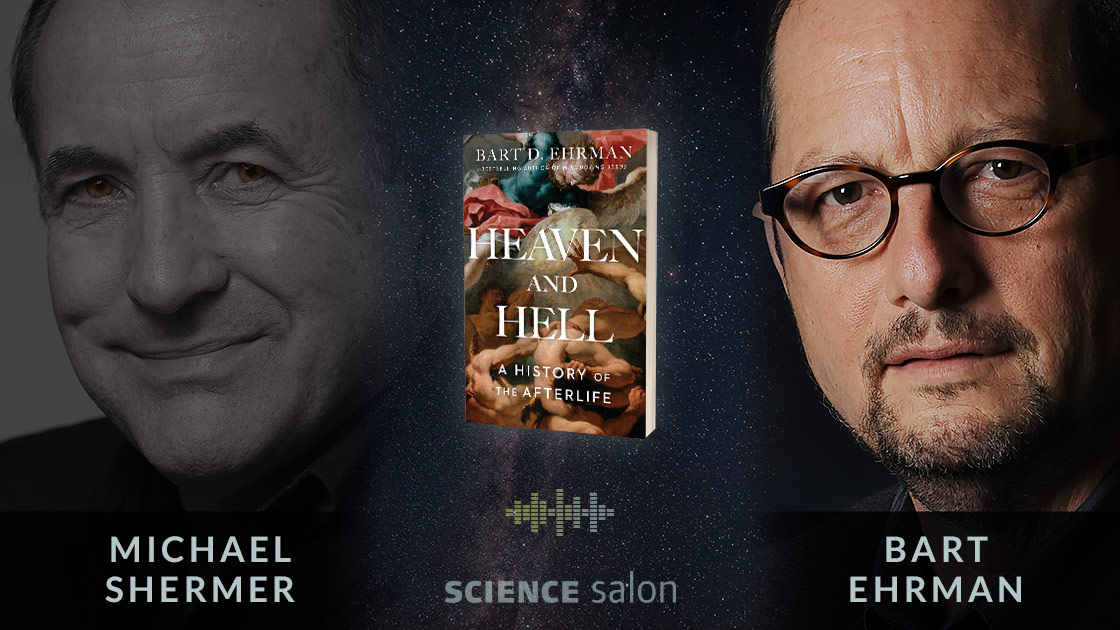
Bart Ehrman — Heaven and Hell: A History of the Afterlife

Nearly everyone wonders about what, if anything, comes after death. In Science Salon # 110 Michael Shermer speaks with Bart Ehrman about his book Heaven and Hell: A History of the Afterlife in which Ehrman investigates the powerful instincts that gave rise to the common ideas of heaven and hell and that help them endure.

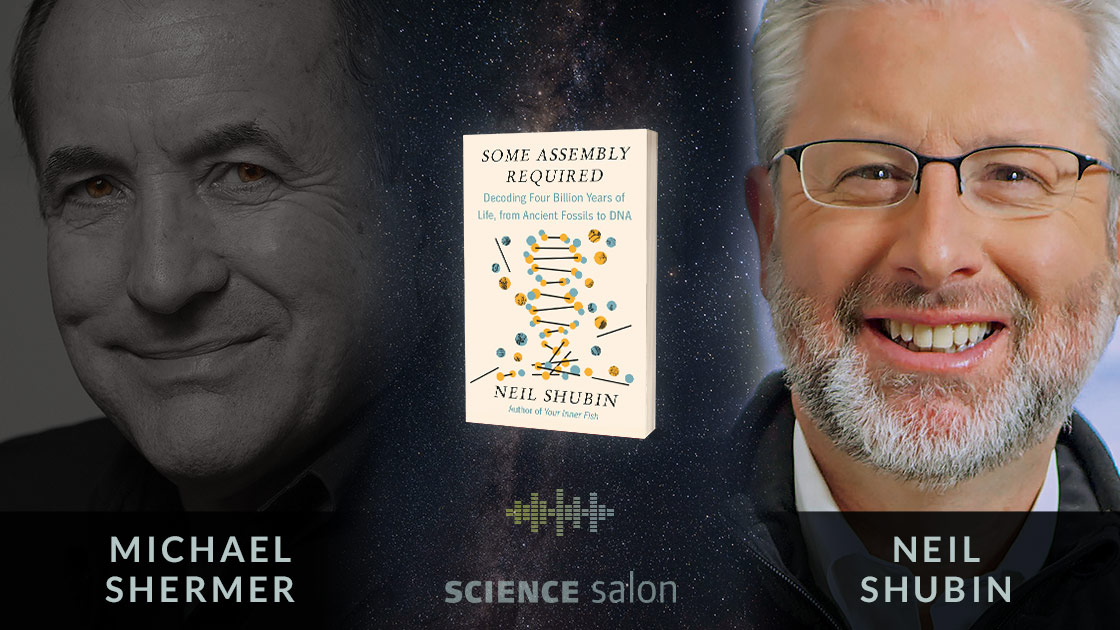
Neil Shubin — Some Assembly Required: Decoding Four Billion Years of Life, from Ancient Fossils to DNA

In Science Salon # 109 Michael Shermer speaks with Neil Shubin about his new book Some Assembly Required: Decoding Four Billion Years of Life, from Ancient Fossils to DNA — a lively and accessible account of the great transformations in the history of life on Earth.

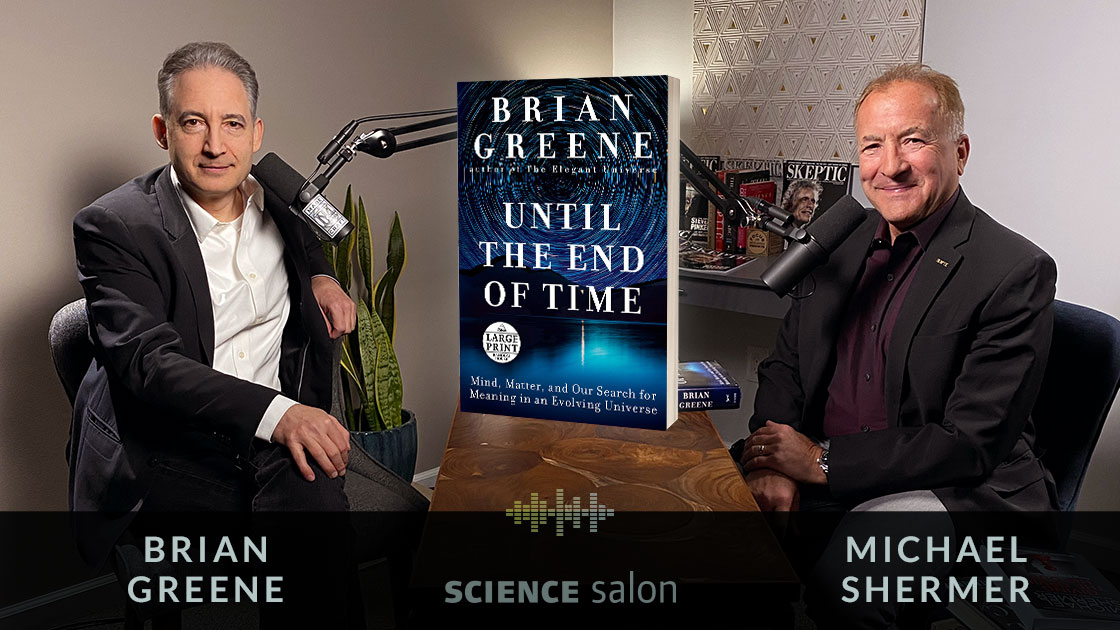
Brian Greene — Until the End of Time: Mind, Matter, and Our Search for Meaning in an Evolving Universe

Until the End of Time is Brian Greene’s breathtaking new exploration of the cosmos and our quest to find meaning in the face of this vast expanse. Greene takes us on a journey from the big bang to the end of time, exploring how lasting structures formed, how life and mind emerged, and how we grapple with our existence through narrative, myth, religion, creative expression, science, the quest for truth, and a deep longing for the eternal.

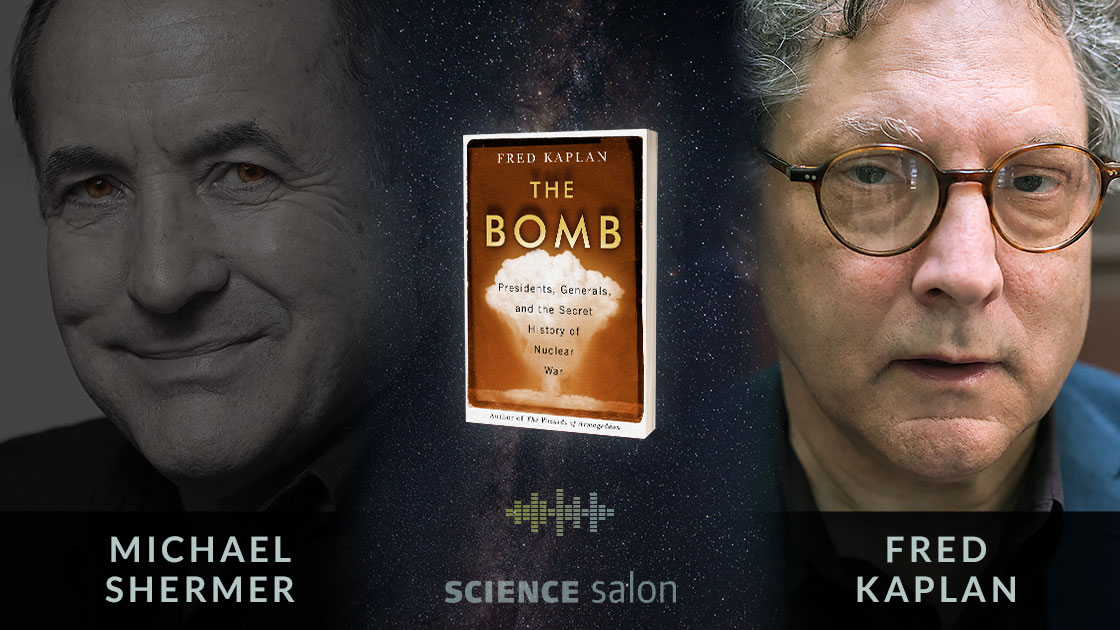
Fred Kaplan — The Bomb: Presidents, Generals, and the Secret History of Nuclear War

The Bomb is Fred Kaplan’s definitive history of American policy on nuclear war — and Presidents’ actions in nuclear crises — from Truman to Trump. Kaplan takes us into the White House Situation Room, the Joint Chiefs of Staff’s “Tank” in the Pentagon, and the vast chambers of Strategic Command to bring us the untold stories — based on exclusive interviews and previously classified documents — of how America’s presidents and generals have thought about, threatened, broached, and just barely

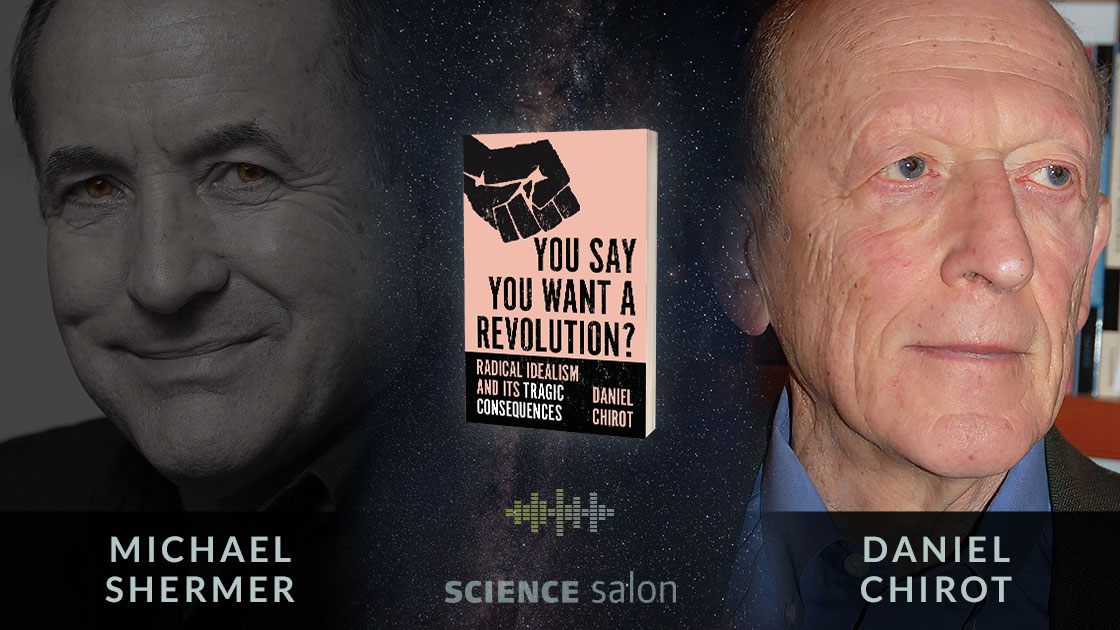
Daniel Chirot — You Say You Want a Revolution? Radical Idealism and its Tragic Consequences

Why have so many of the iconic revolutions of modern times ended in bloody tragedies? What lessons can be drawn from these failures today, in a world where political extremism is on the rise and rational reform based on moderation and compromise often seems impossible to achieve? Daniel Chirot examines a wide range of right- and left-wing revolutions around the world — from the late eighteenth century to today — to provide important new answers to these critical questions.

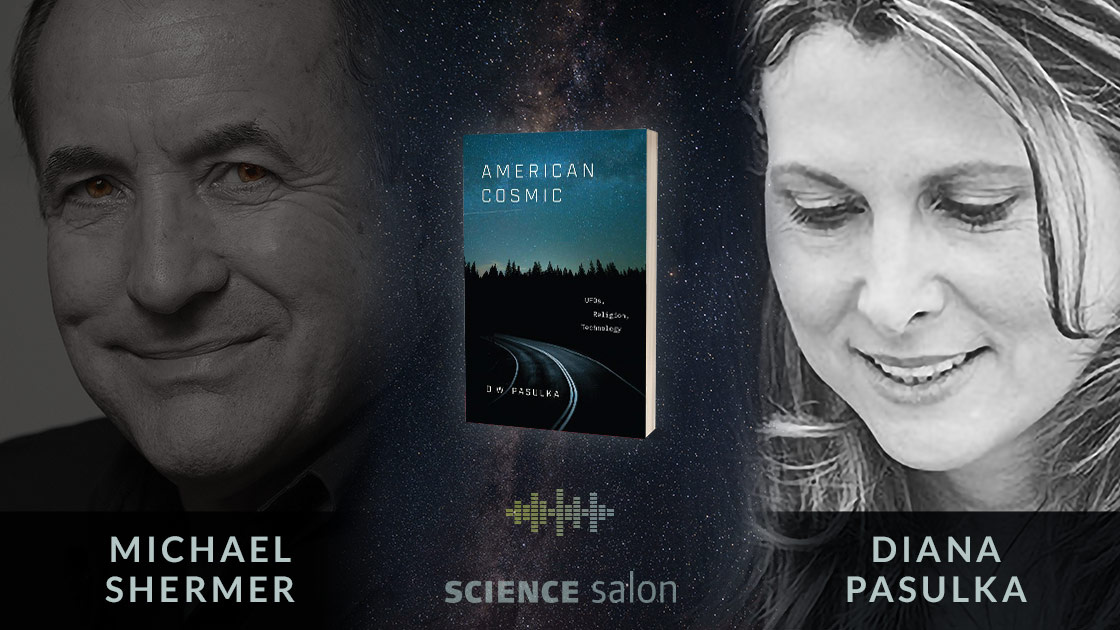
Diana Pasulka — American Cosmic: UFOs, Religion, Technology

More than half of American adults and more than 75 percent of young Americans believe in intelligent extraterrestrial life. This level of belief rivals that of belief in God. In Science Salon # 105 Michael Shermer speaks with Diana Pasulka about her book: American Cosmic: UFOs, Religion, Technology.

Judith Finlayson — You Are What Your Grandparents Ate: What You Need to Know About Nutrition, Experience, Epigenetics and the Origins of Chronic Disease

How many of the risks for chronic diseases, including obesity, type 2 diabetes, high blood pressure, heart disease and dementia, can be traced back to your first 1,000 days of existence, from the moment you were conceived? Shermer and Finlayson discuss: epigenetics • epidemiology • difficulty determining causality in medical sciences • why correlation is not necessarily causation, but how it can be used to advise on diet and lifestyle changes • fruits and vegetables or meat and fat?

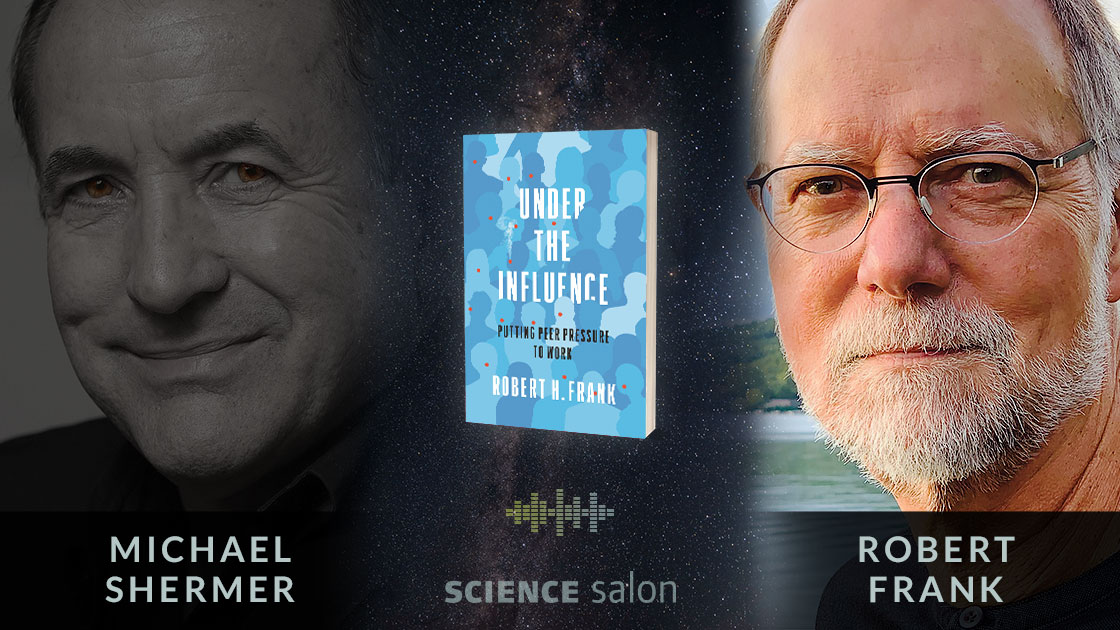
Robert Frank — Under the Influence: Putting Peer Pressure to Work

Shermer and Frank discuss: luck and circumstances • peer pressure • free will • self-control • happiness vs. purpose • utilitarianism vs. natural rights theory • abortion, capital punishment, polygamy, prostitution, and the selling of organs • behavioral contagions: smoking, problem drinking, obesity, tax cheating, bullying, and wasteful energy use • same-sex marriage • climate change • Universal Basic Income, and more…

PREVIOUS
 
NEXT
SKEPTIC • 3938 State St., Suite 101, Santa Barbara, CA, 93105-3114 • 1-805-576-9396 • Copyright © 1992–2024. All rights reserved • Privacy Policy