The Skeptics Society & Skeptic magazine

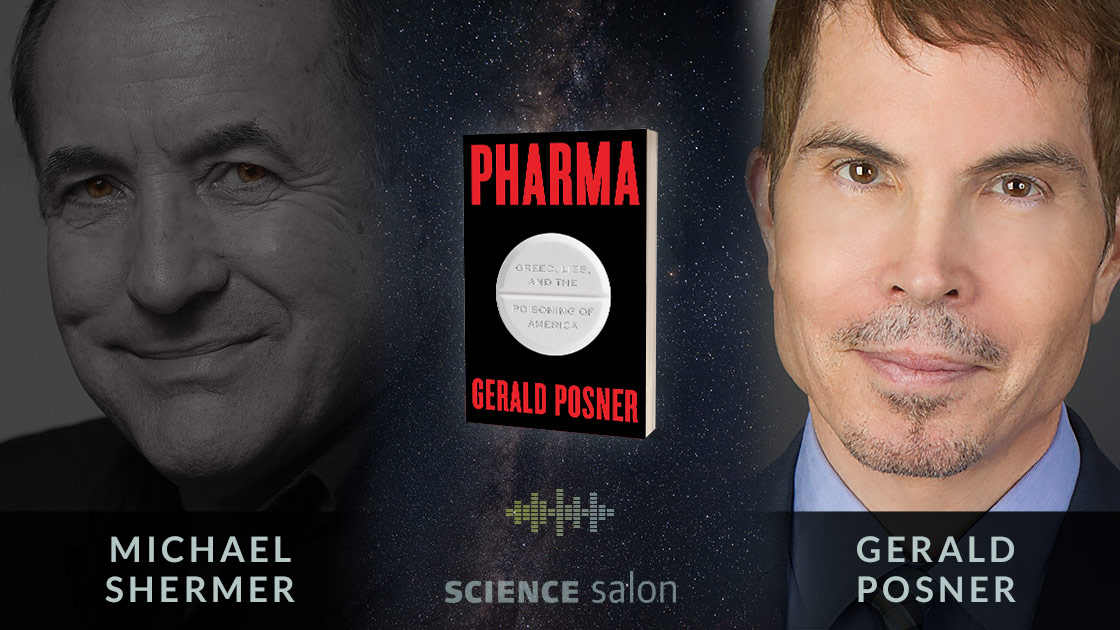
Philip Goff — Galileo’s Error: Foundations for a New Science of Consciousness

Shermer and Goff discuss: the problem Galileo’s approach to science solved • dualism, monism, panpsychism • idealism • hard problem of consciousness • ultimate nature of reality • model dependent realism • Arthur Stanley Eddington and Bertrand Russell build panpsychism back into science • philosophical zombies • free will, determinism, compatibilism • objective moral values • fine tuning and the multiverse.
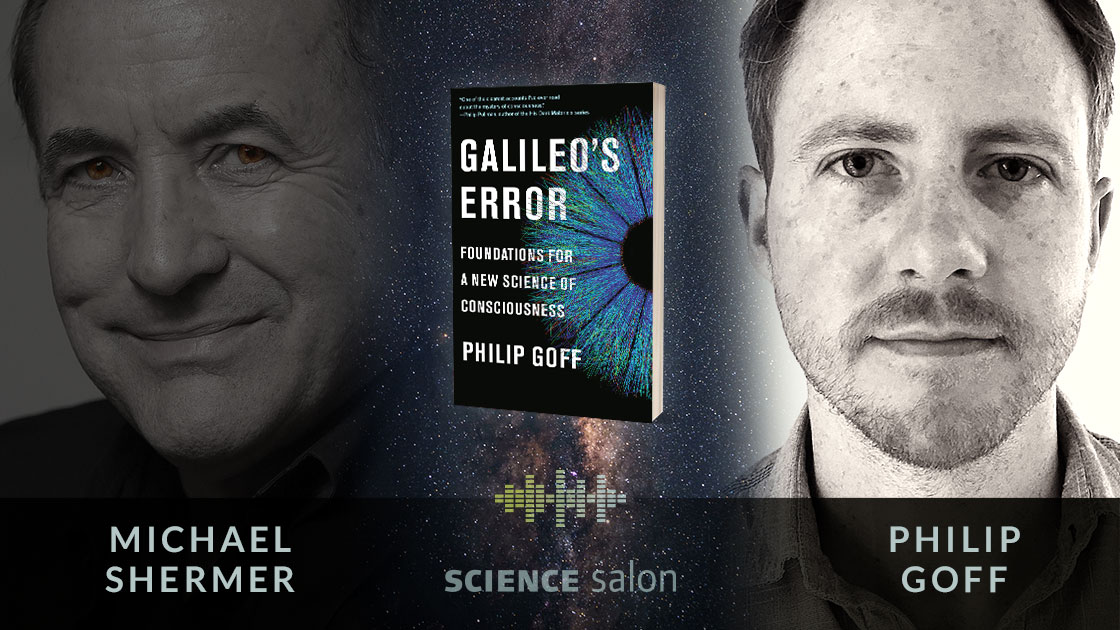
Richard Kreitner — Break it Up: Secession, Division, and the Secret History of America’s Imperfect Union

Investigative journalist Richard Kreitner takes us on a revolutionary journey through American history, revealing the power and persistence of disunion movements in every era and region. The provocative thesis of Break It Up is simple: The United States has never lived up to its name—and never will. The disunionist impulse may have found its greatest expression in the Civil War, but the seduction of secession wasn’t limited to the South or the 19th century. It was there at our founding

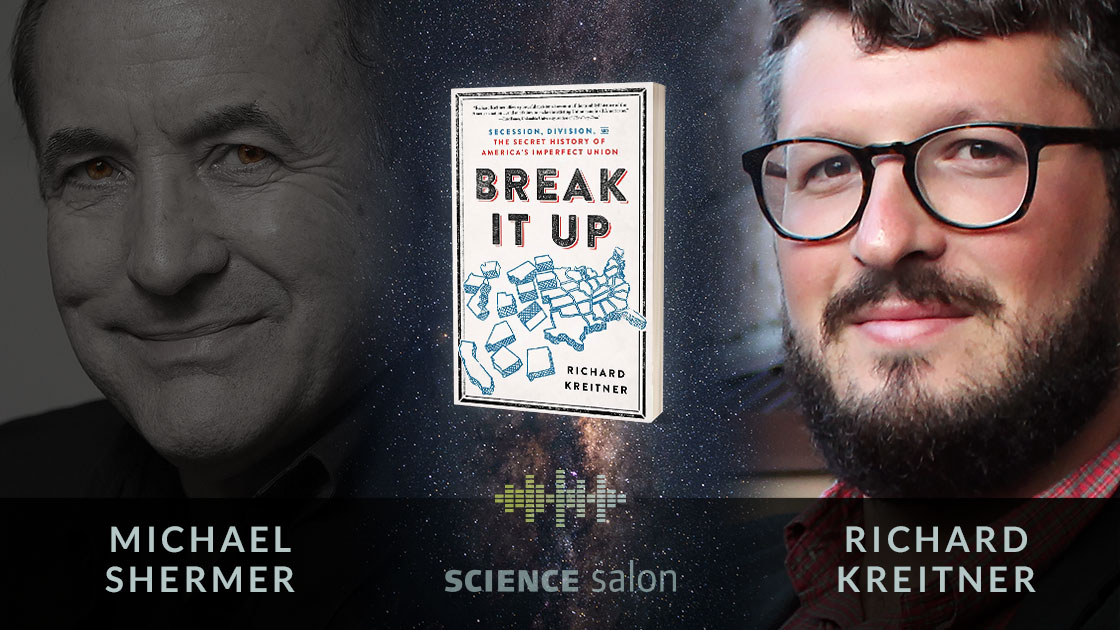
Rebecca Wragg Sykes — Kindred: Neanderthal Life, Love, Death and Art

Rebecca Wragg Sykes combs through the avalanche of scientific discoveries of Neanderthals and uses her experience at the cutting-edge of Paleolithic research to share our new understanding of Neanderthals, shoving aside cliches of rag-clad brutes in an icy wasteland. She reveals them to be curious, clever connoisseurs of their world, technologically inventive and ecologically adaptable.

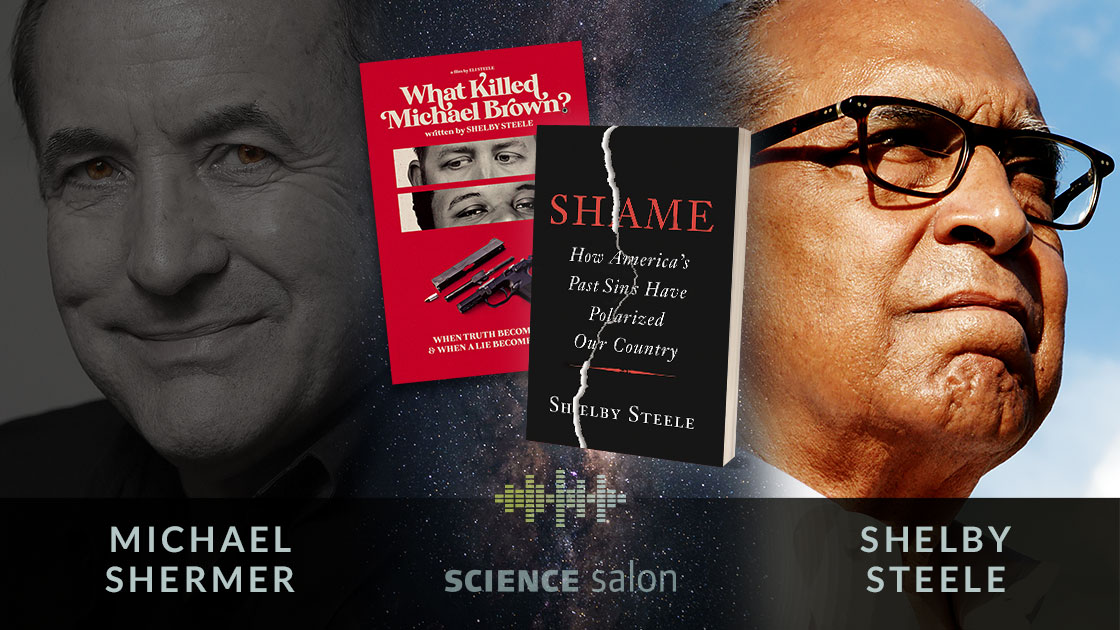
Shelby Steele — Shame: How America’s Past Sins Have Polarized Our Country & the film What Killed Michael Brown?

The United States today is hopelessly polarized; the political Right and Left have hardened into rigid and deeply antagonistic camps, preventing any sort of progress. Amid the bickering and inertia, the promise of the 1960s—when we came together as a nation to fight for equality and universal justice—remains unfulfilled. Shermer and Steele discuss: what has changed in race relations in America in the past 30 years, and why “The promised land guarantees nothing. It is only an opportunity, not a

Douglas Murray — The Madness of 2020

In this special episode of the Science Salon Podcast, Michael Shermer catches up with Douglas Murray one year after the publication of his bestselling book The Madness of Crowds, now out in paperback, with an Afterword update on all that has happened the past year, one of the most momentous in living memory.

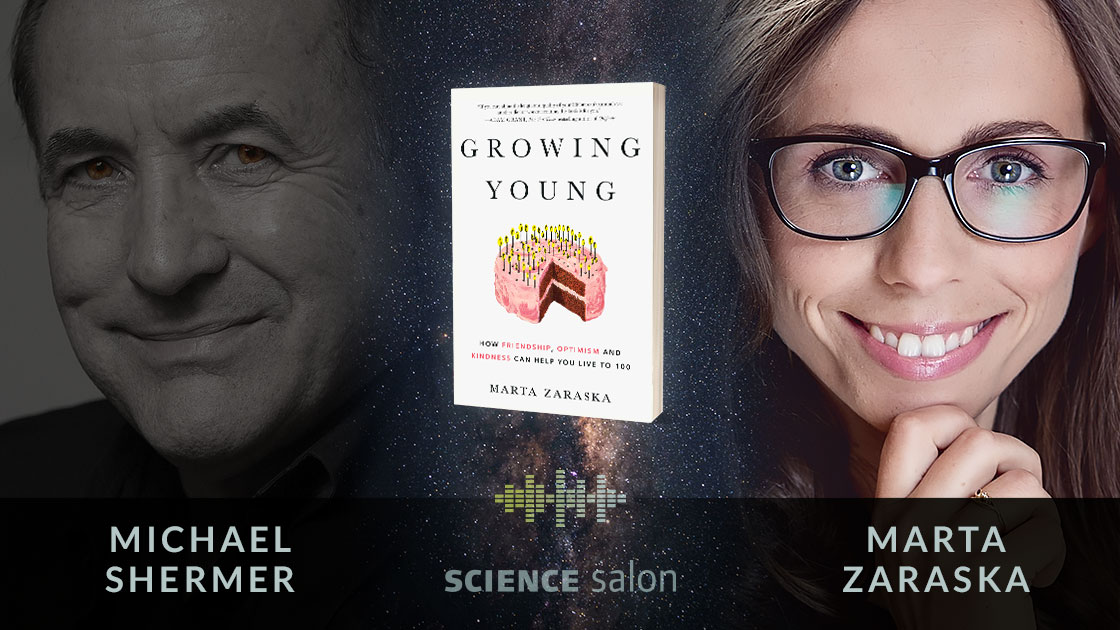
Marta Zaraska — Growing Young: How Friendship, Optimism, and Kindness Can Help You Live to 100

In Science Salon podcast # 137, Michael Shermer speaks with Marta Zaraska about her new book Growing Young: How Friendship, Optimism, and Kindness Can Help You Live to 100. In addition to healthy nutrition and physical activity, deepening friendships, practicing empathy and contemplating your purpose in life can improve your lifespan.

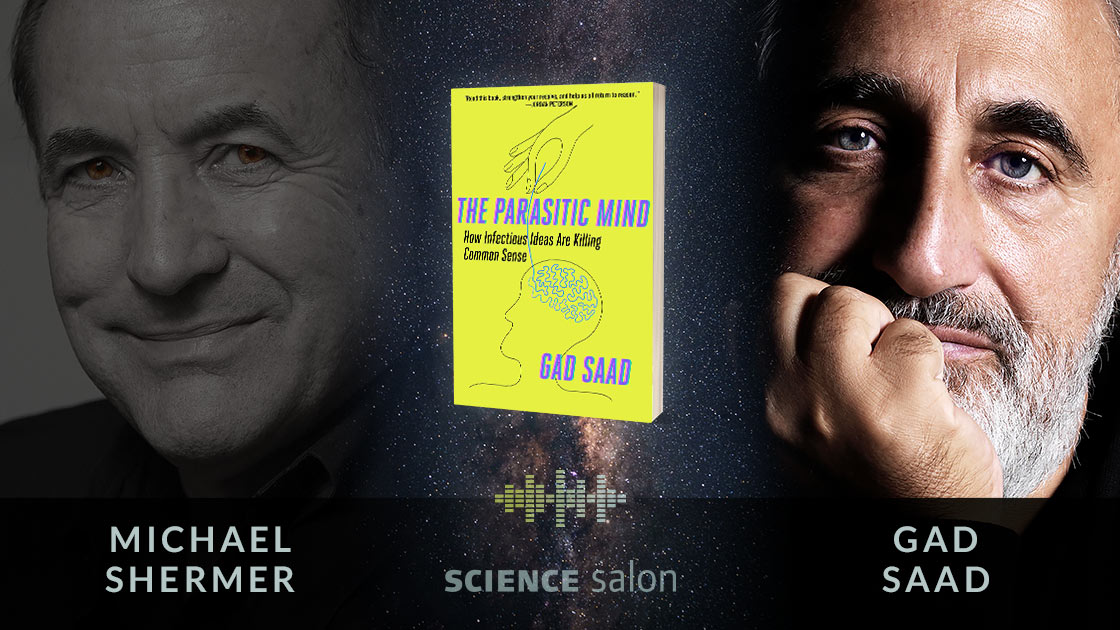
Gad Saad — The Parasitic Mind: How Infectious Ideas Are Killing Common Sense

Shermer and Saad discuss: dangerous idea pathogens • ideological parasites • the origin of political correctness and how it was corrupted • identity politics and how it perpetrates bigotry, racism, and misogyny • the psychology of victimhood • virtue signaling and why it isn’t virtuous • why social justice is injustice • • the corruption of postmodernism • Islamophobia • diversity, inclusion and equity • safe spaces, microaggressions, trigger warnings • liberalism • the paradox of tolerance, and more…

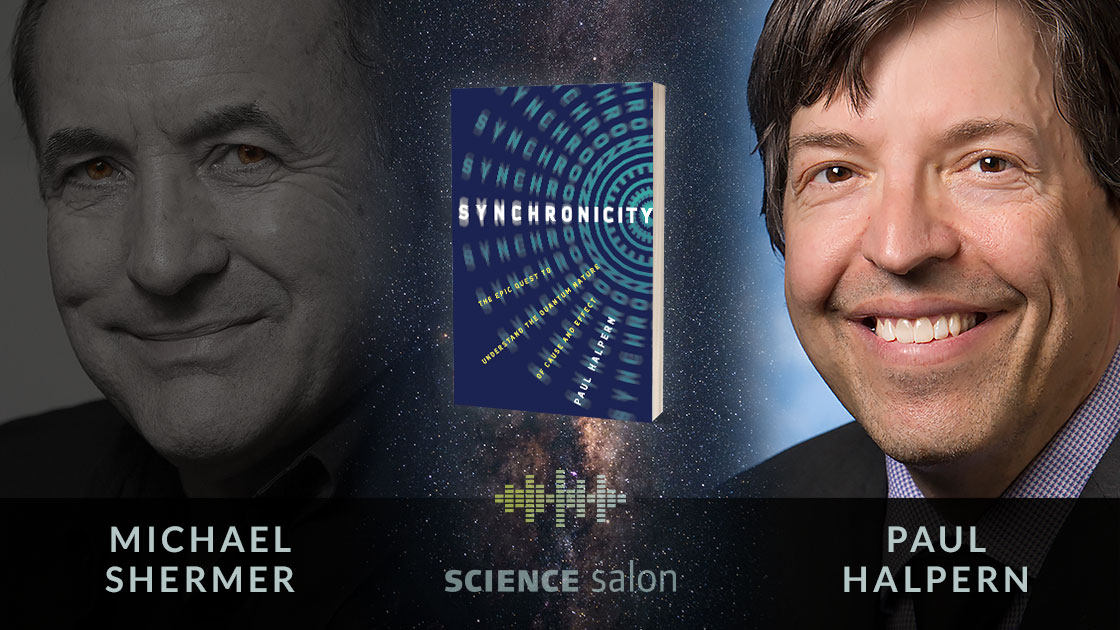
Paul Halpern — Synchronicity: The Epic Quest to Understand the Quantum Nature of Cause and Effect

Does the universe have a speed limit? If not, some effects could happen at the same instant as the actions that caused them — and some effects, ludicrously, might even happen before their causes. Paul Halpern is a professor of physics at the University of the Sciences in Philadelphia and the author of sixteen popular science books.

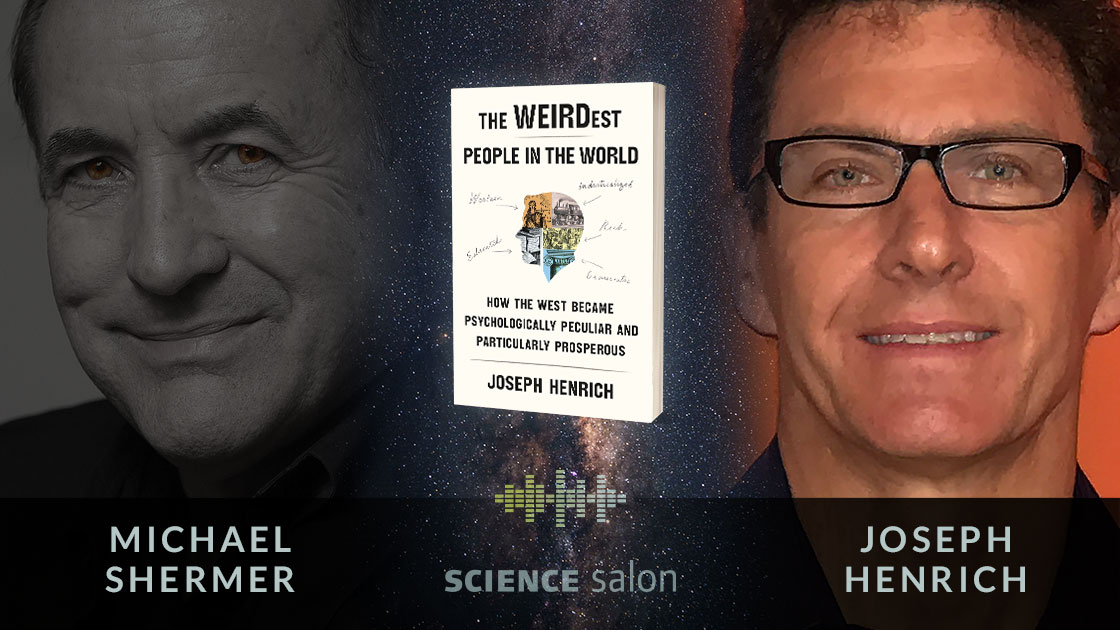
Joseph Henrich — The WEIRDest People in the World: How the West Became Psychologically Peculiar and Particularly Prosperous

WEIRD: Western, Educated, Industrialized, Rich, and Democratic. Unlike much of the world today, and most people who have ever lived, WEIRD people are highly individualistic, self-obsessed, control-oriented, nonconformist, and analytical. How did WEIRD populations become so psychologically distinct? What role did these psychological differences play in the industrial revolution and the global expansion of Europe during the last few centuries?

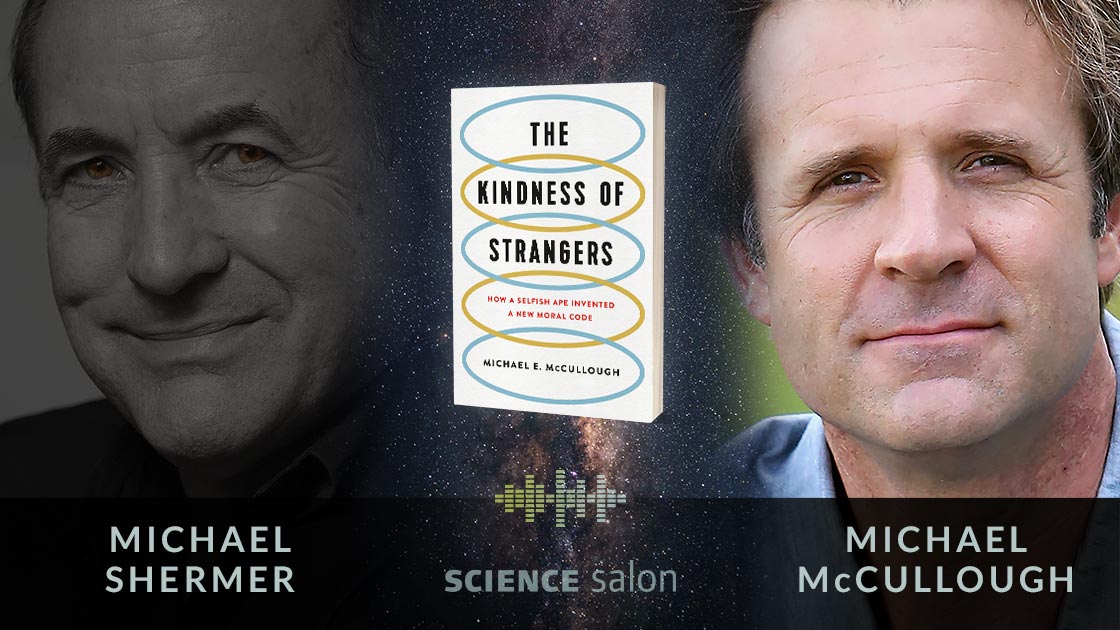
Michael E. McCullough — The Kindness of Strangers: How a Selfish Ape Invented a New Moral Code

In this sweeping psychological history of human goodness — from the foundations of evolution to the modern political and social challenges humanity is now facing — psychologist Michael McCullough answers a fundamental question: How did humans, a species of self-centered apes, come to care about others?

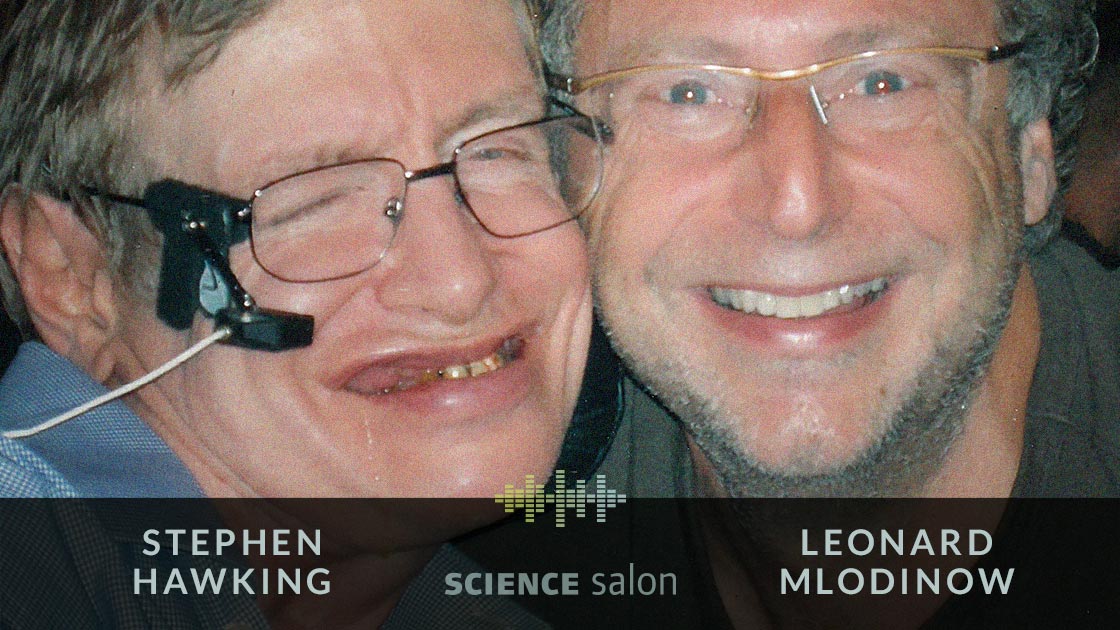
Leonard Mlodinow — Stephen Hawking: A Memoir of Friendship and Physics

In Science Salon podcast # 132, Michael Shermer speaks with Leonard Mlodinow about his new book in which he recounts, in a unique and deeply personal portrayal, nearly two decades as Stephen Hawking’s collaborator and friend.

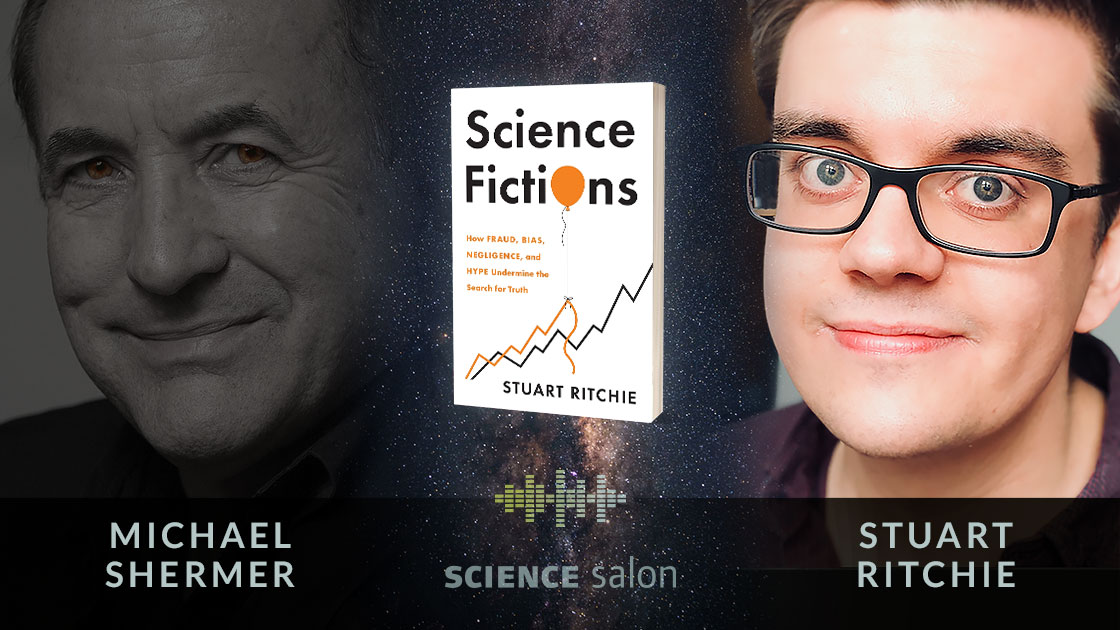
Stuart Ritchie — Science Fictions: How Fraud, Bias, Negligence, and Hype Undermine the Search for Truth

Science is how we understand the world. Yet failures in peer review and mistakes in statistics have rendered a shocking number of scientific studies useless — or, worse, badly misleading. Such errors have distorted our knowledge in fields as wide-ranging as medicine, physics, nutrition, education, genetics, economics, and the search for extraterrestrial life.

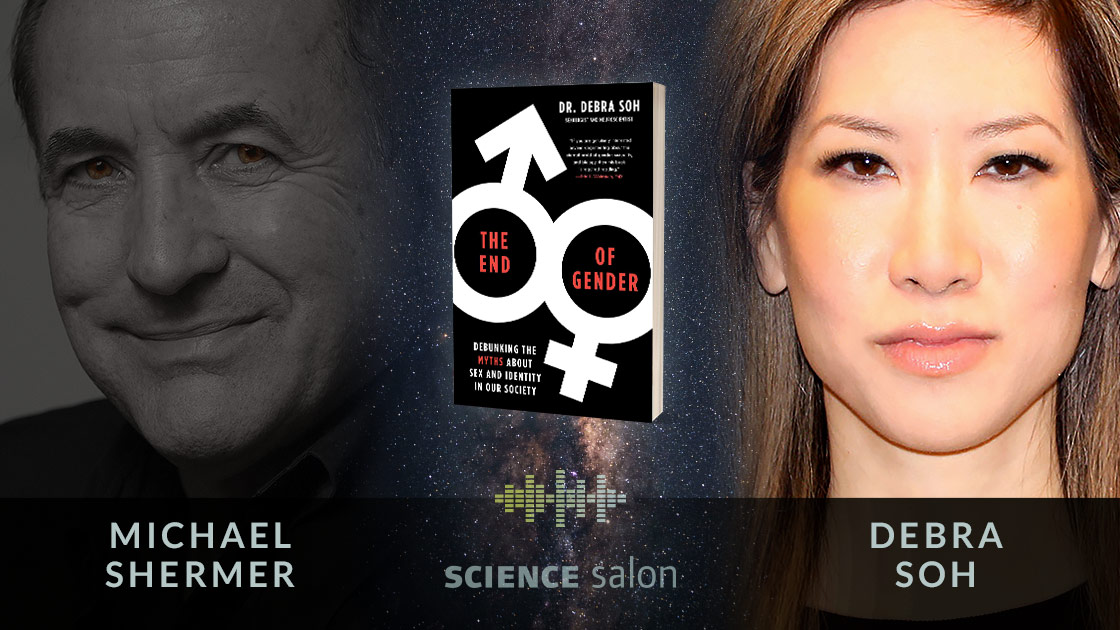
Debra Soh — The End of Gender: Debunking the Myths About Sex and Identity in Our Society

In Science Salon # 130, Michael Shermer speaks with Debra Soh — a neuroscientist who specializes in gender, sex, and sexual orientation — about her new book: The End of Gender: Debunking the Myths About Sex and Identity in Our Society.

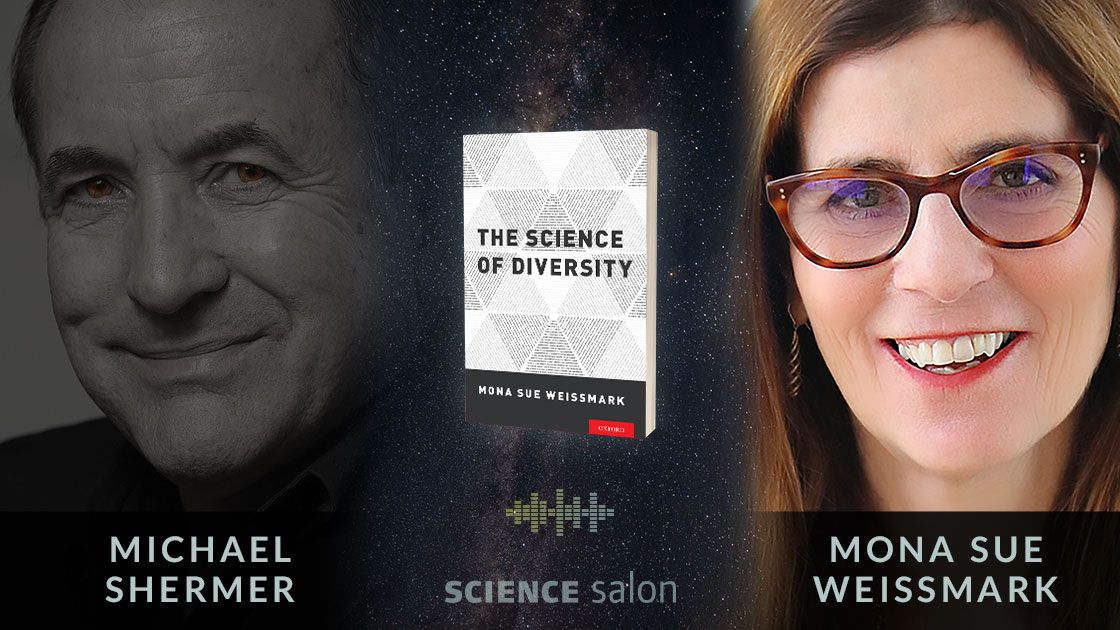
Mona Sue Weissmark — The Science of Diversity

In Science Salon # 129, Michael Shermer speaks with Mona Sue Weissmark about her book The Science of Diversity which uses a multidisciplinary approach to excavate the theories, principles, and paradigms that illuminate our understanding of the issues surrounding human diversity, social equality, and justice.

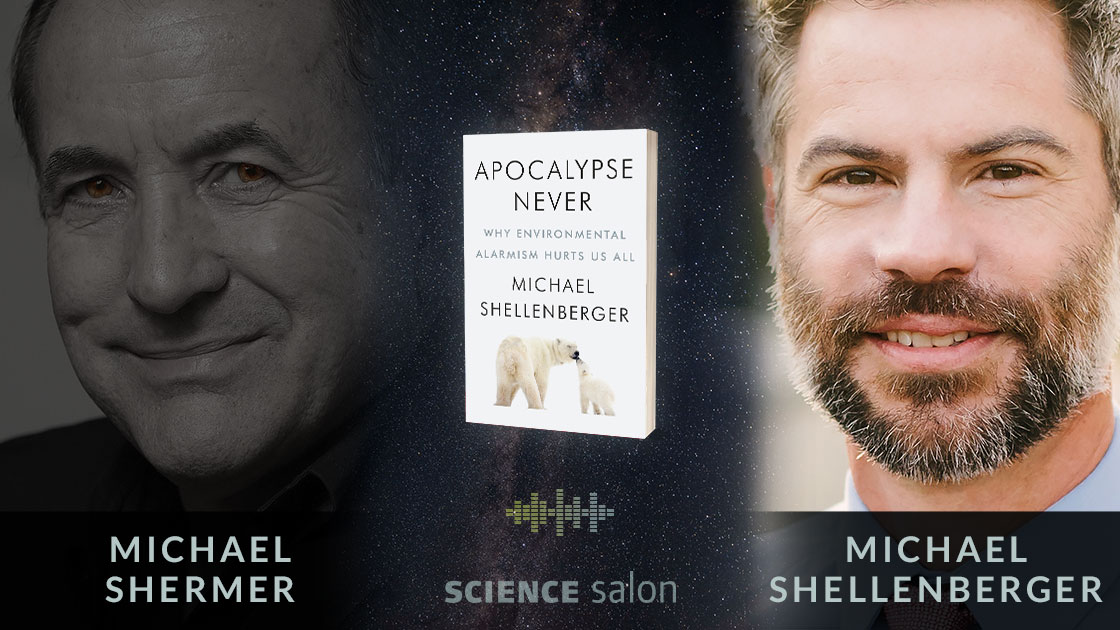
Michael Shellenberger — Apocalypse Never: Why Environmental Alarmism Hurts Us All

Shermer and Shellenberger discuss: the rise of apocalyptic environmentalism • Environmental Humanism as a replacement worldview • problems and shortcomings of climate computer models • how much warmer it’s going to get, what the consequences will be, and what we can do about it? (hint: nuclear), why people fear nuclear power • renewables, solar, wind, geothermal, and why they are not nearly as efficient as nuclear, and more…

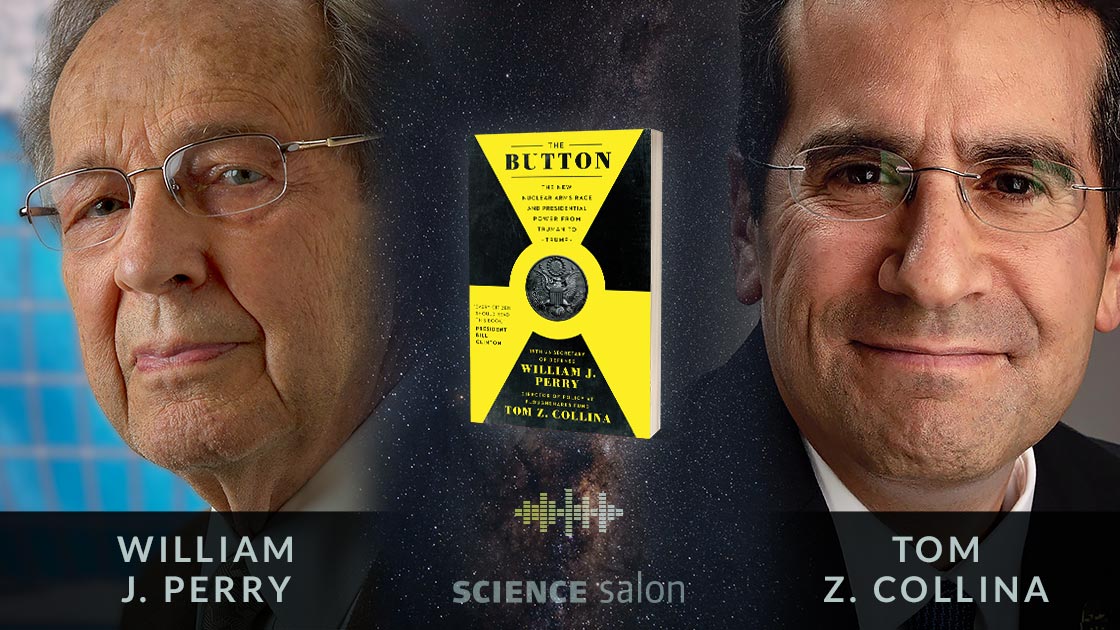
William Perry and Tom Collina — The Button: The New Nuclear Arms Race and Presidential Power from Truman to Trump

In Science Salon # 127, Michael Shermer speaks with William J. Perry, Secretary of Defense in the Clinton administration and Tom Z. Collina, the Director of Policy at Ploughshares Fund, a global security foundation in Washington, DC, as they share their firsthand experience on the front lines of the nation’s nuclear history.

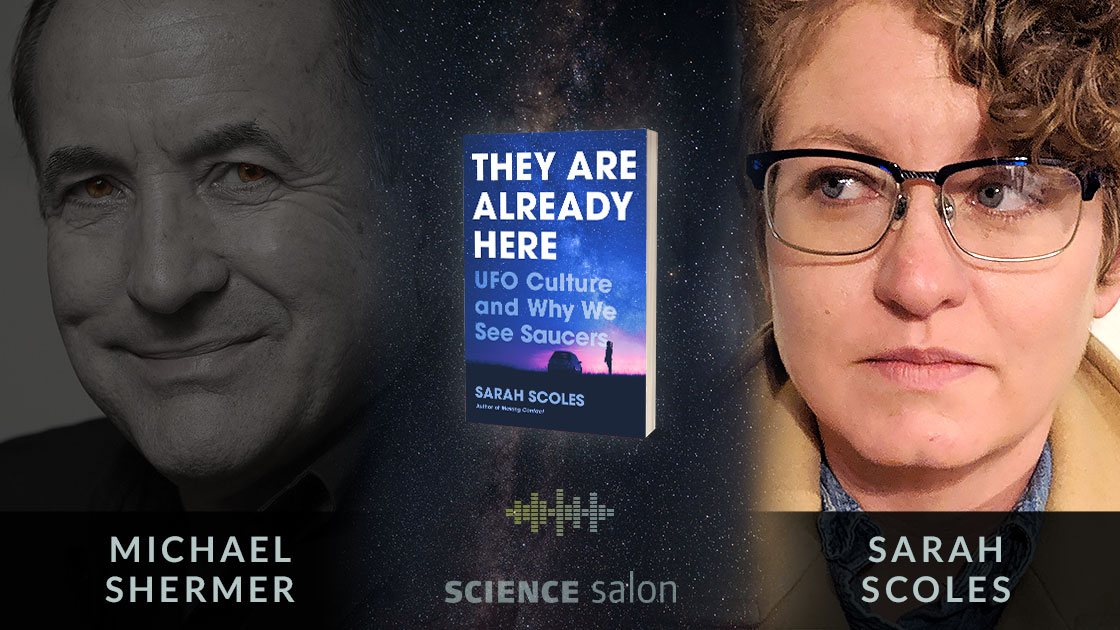
Sarah Scoles — They Are Already Here: UFO Culture and Why We See Saucers

More than half a century since Roswell, UFOs have been making headlines once again. Scoles ventured to dark, conspiracy-filled corners of the internet, to a former paranormal research center in Utah, and to the hallways of the Pentagon to meet the bigwigs, the scrappy upstarts, the field investigators, the rational people, and the unhinged kooks of this sprawling UFO community.

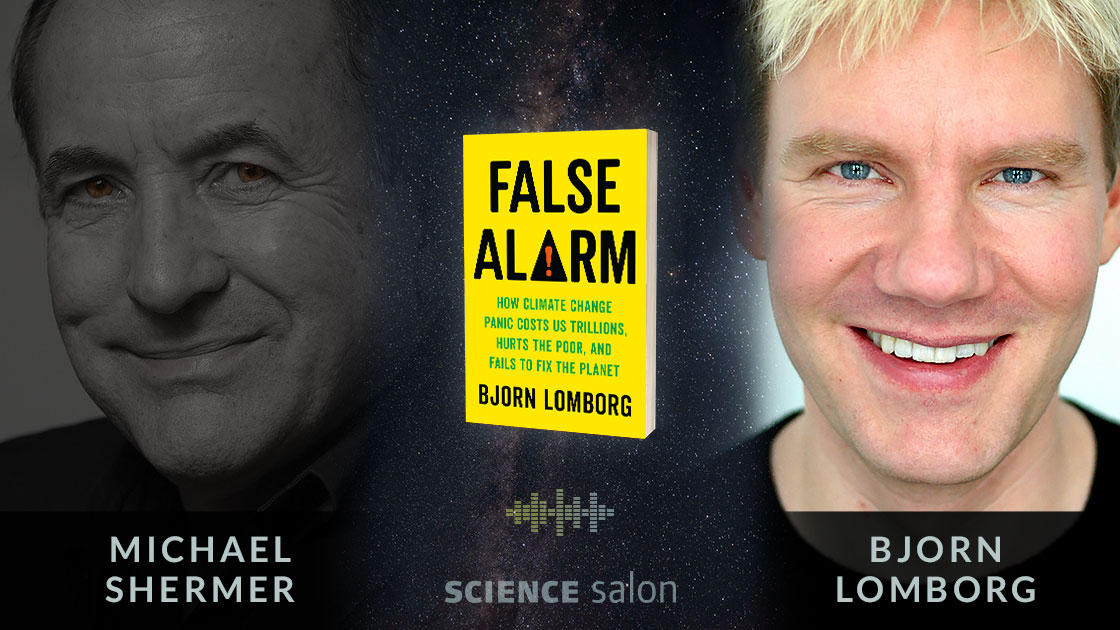
Bjorn Lomborg — False Alarm: How Climate Change Panic Costs Us Trillions, Hurts the Poor, and Fails to Fix the Planet

Bjorn Lomborg argues that climate change is real, but it’s not the apocalyptic threat that we’ve been told it is. Projections of Earth’s imminent demise are based on bad science and even worse economics, he claims. Lomborg attempts to convince us that everything we think about climate change is wrong — and points the way toward making the world a vastly better, if slightly warmer, place for us all.

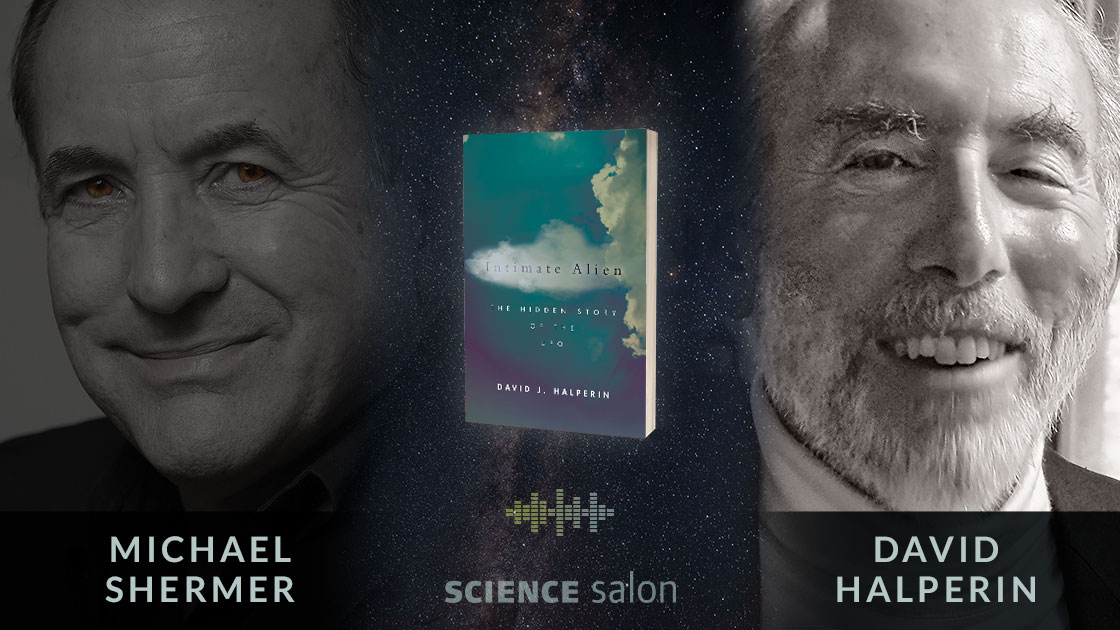
David J. Halperin — Intimate Alien: The Hidden Story of the UFO

In Science Salon # 124 Michael Shermer speaks with David J. Halperin about what our fascination with UFOs tells us about ourselves as individuals, as a culture, and as a species.

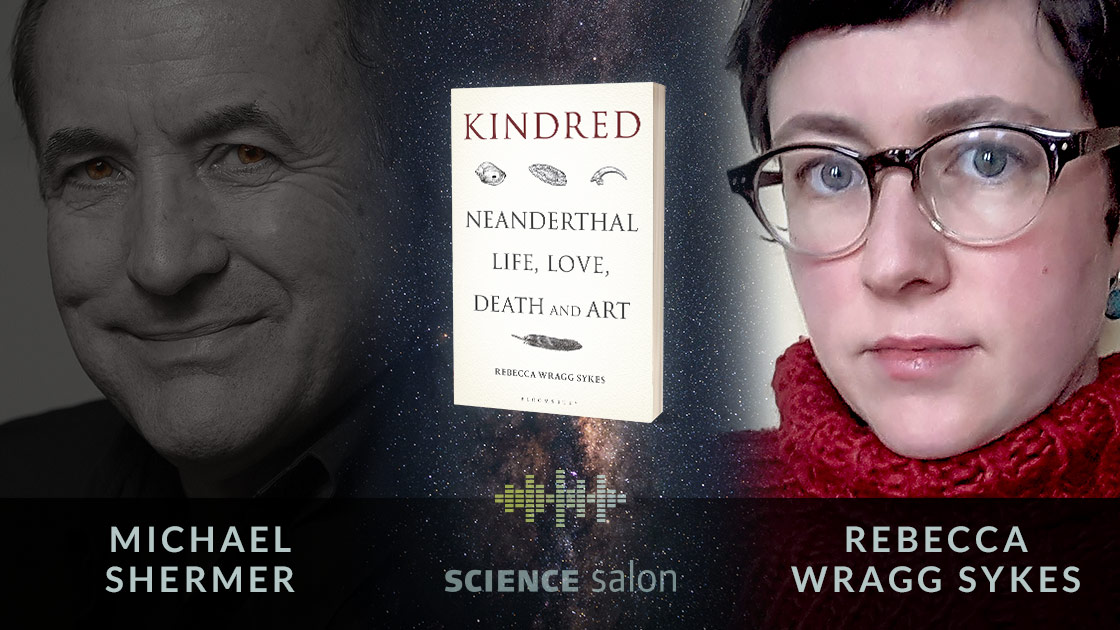
Gerald Posner — Pharma: Greed, Lies, and the Poisoning of America

In Science Salon Podcast # 123, Michael Shermer and Gerald Posner discuss how Big Pharma conspires to hack FDA regulations, the Opioid crisis. addiction, greed, capitalism, drug patents, innovation, and the prospects for a COVID-19 vaccine.

PREVIOUS
 
NEXT
SKEPTIC • 3938 State St., Suite 101, Santa Barbara, CA, 93105-3114 • 1-805-576-9396 • Copyright © 1992–2024. All rights reserved • Privacy Policy